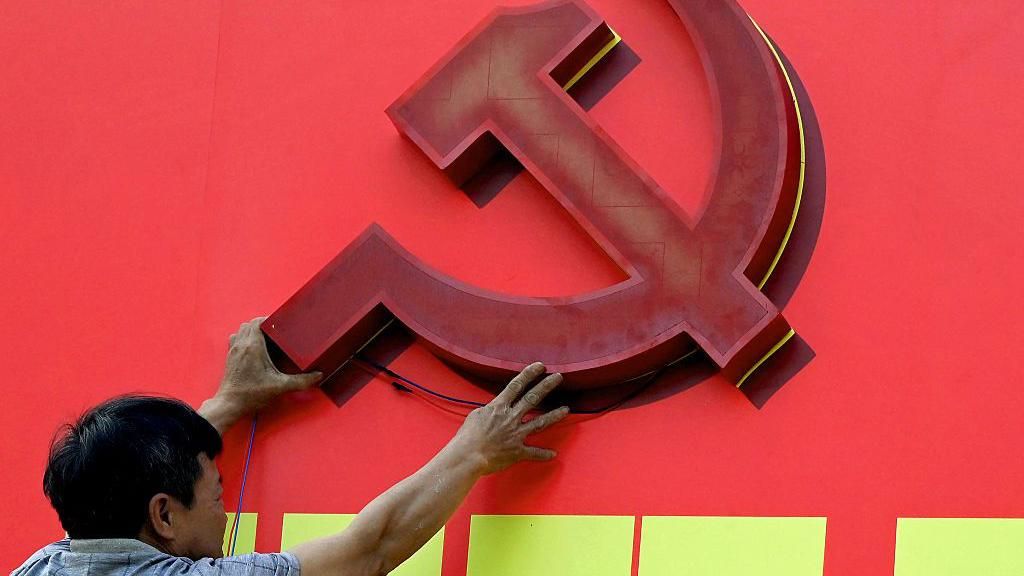
Vietnam’s political landscape enters a pivotal phase as the ruling Communist Party commences its quintennial congress, a decisive gathering that will determine the nation’s leadership structure and establish critical economic objectives for the coming years. This high-stakes assembly brings together approximately 1,600 delegates tasked with approving comprehensive policy frameworks and electing key governing bodies.
At the forefront of leadership considerations stands General Secretary Tô Lâm, widely regarded as the predominant candidate for continuation in the party’s most influential position. The 68-year-old leader, who assumed office in August 2024 following the passing of his predecessor Nguyễn Phú Trọng, has championed an ambitious reform agenda during his tenure. Lam’s background as a former police official within the secretive public security ministry has shaped his governance approach, characterized by both economic modernization initiatives and consolidation of institutional power.
The political proceedings follow a meticulously orchestrated sequence: delegates will first elect a new Central Committee of approximately 200 members, who in turn will select the 17-19 member Politburo—the party’s supreme decision-making authority. This body ultimately determines the general secretary position through a closed-door process devoid of electoral competition, typically resulting in near-unanimous approvals. The Vietnamese public maintains no direct involvement in selecting national leadership.
Economically, Vietnam confronts both remarkable opportunities and significant challenges. While boasting Southeast Asia’s most rapidly expanding economy with consistent growth exceeding 6% annually, the administration has established an ambitious 10% growth target for 2026. This objective emerges amidst complex global trade dynamics, particularly concerning U.S. tariff policies that initially threatened 46% levies before settling at 20% on Vietnamese exports. Remarkably, official statistics indicate a 28% increase in exports to the United States despite these trade barriers.
The nation’s single-party socialist system has fostered policy continuity that attracts substantial foreign investment, especially as multinational corporations diversify supply chains away from China. However, maintaining this economic momentum requires navigating persistent challenges including institutional corruption—which precipitated the resignation of two previous presidents—and the looming uncertainty of international trade relations.
Lam’s vision for national development extends beyond immediate economic targets, envisioning transformation into an upper-income, knowledge-driven technological economy by 2045. His administration has prioritized administrative reforms, private sector expansion, and national development initiatives while simultaneously centralizing authority and enhancing the police ministry’s influence.
Leadership transitions may extend beyond the congress’s January 25 conclusion, with legislative elections scheduled for March 15 and the new National Assembly convening in April to formally appoint senior government officials. Reports suggest potential constitutional modifications regarding leadership structure, including possible consolidation of the general secretary and presidential roles—a arrangement Lam experienced temporarily between May and August 2024.
The congress outcomes will fundamentally shape Vietnam’s political and economic direction, testing the Communist Party’s capacity to deliver prosperity and maintain legitimacy through fulfilling its ambitious developmental promises.