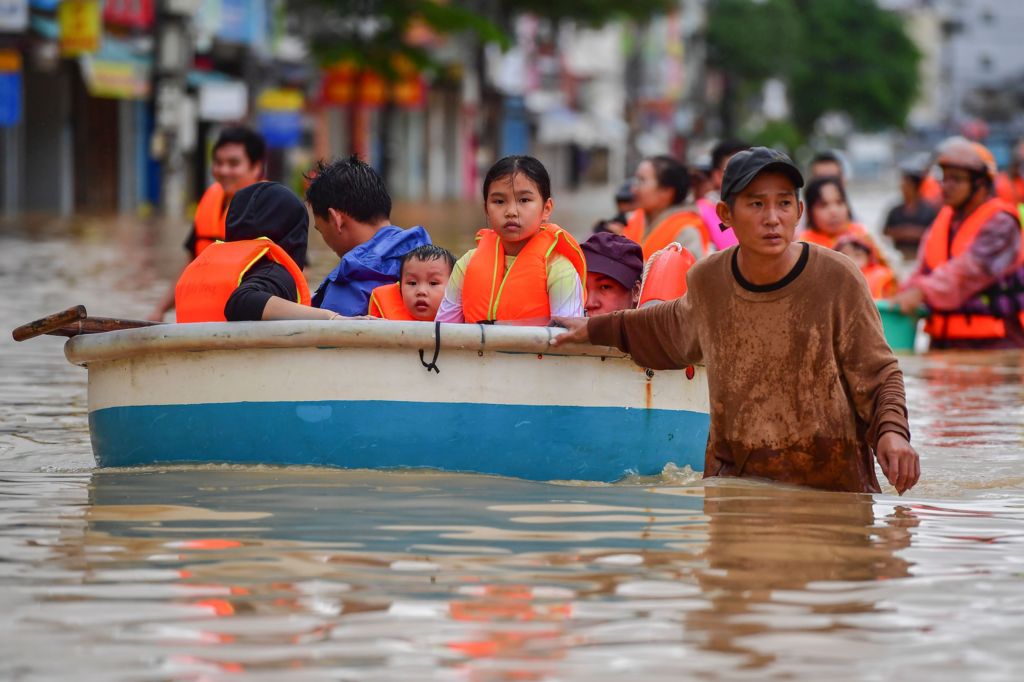
Vietnam is reeling from catastrophic floods triggered by relentless heavy rainfall, resulting in at least 90 fatalities and 12 individuals reported missing. The deluge has caused widespread destruction, damaging 186,000 homes and sweeping away over three million livestock. Preliminary estimates suggest the economic toll runs into hundreds of millions of pounds. The mountainous province of Dak Lak has borne the brunt of the disaster, with over 60 deaths recorded since November 16, according to AFP. This calamity follows closely on the heels of typhoons Kalmaegi and Bualoi, which struck Vietnam in rapid succession in recent months. As of Sunday morning, approximately 258,000 people were left without electricity, and critical transportation routes, including major highways and railway lines, were rendered impassable. In response, the Vietnamese government has deployed military and police forces to aid the hardest-hit regions, particularly in the provinces of Quang Ngai, Gia Lai, Dak Lak, Khanh Hoa, and Lam Dong. Prime Minister Phạm Minh Chính, attending the G20 summit in South Africa, convened an emergency virtual meeting to coordinate relief efforts. Rainfall in some areas exceeded 1.5 meters (5 feet), with certain locations surpassing a staggering 5.2 meters, a record not seen since 1993. While forecasts predict a respite from the rain in the coming days, scientists warn that Vietnam’s vulnerability to extreme weather events has been exacerbated by human-induced climate change, intensifying the frequency and strength of typhoons.