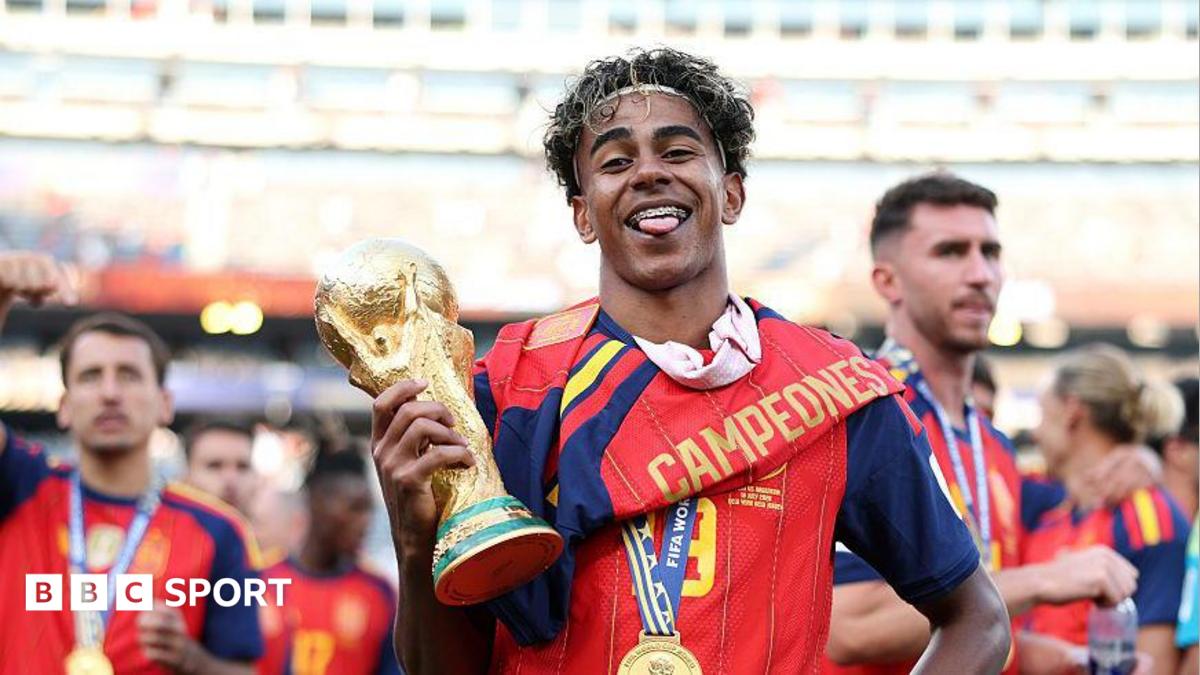
The 2026 FIFA Men’s World Cup final will go down in history as more than just a title decider — it will be remembered as a vindication of attacking, possession-focused football, after Spain outclassed defending champions Argentina to lift the trophy for the second time in their history, following a tense extra-time clash marred by unsportsmanlike conduct from the South American side.
Ferran Torres settled a tight contest in the 106th minute, slotting home a clinical finish that broke the deadlock and secured Spain’s 1-0 win at the New Jersey final venue. After the final whistle confirmed the result, Spain midfielder Rodri lifted the golden World Cup trophy, capping off an extraordinary tournament run that cements Spain’s status as the preeminent force in global men’s football.
Calling the result a ‘victory for football’ may sound like overused sporting cliché, but few neutral observers have pushed back on that framing of Sunday’s final. Across nearly every statistical measure, and in the eyes of most fans and pundits, Spain earned the win through dominant, attractive play. Former England captain Alan Shearer emphasized that the outcome was never in question in terms of merit. “From start to finish, Spain controlled possession. They were the ones looking to play football, create chances and get in behind,” Shearer told BBC One. “This is a result for football because of the way that they have played. Spain deserve it.”
The numbers back that assessment up: Spain held 65% of total possession through the 120 minutes, registered an expected goals total of 1.94, and put 11 of their 20 total shots on target. Goalkeeper Unai Simón cemented his status as the tournament’s best shot-stopper, claiming the Golden Glove award after keeping his seventh clean sheet in eight matches. Remarkably, Spain conceded just one single goal across the entire tournament — the lowest total ever recorded by a World Cup-winning men’s side.
Spain’s historic triumph completes an unprecedented run of success for the Spanish men’s national team: they now hold the World Cup, European Championship and Olympic titles, complementing the women’s side’s World Cup crown. The men’s team also extended their unbeaten run across all competitions to 38 matches, the longest undefeated streak recorded by any European men’s national team in history.
Young talent was at the heart of their success, with the core of the squad suggesting this title could be the first of many for this generation. Nineteen-year-old defender Pau Cubarsí, who played every minute of the final, was named the tournament’s best young player, and his 19-year-old Barcelona teammate Lamine Yamal made history of his own. At 19 years and six days old, Yamal became the third-youngest player to ever feature in a men’s World Cup final, and the third-youngest to claim a winner’s medal, trailing only Pelé in 1958 and Giuseppe Bergomi in 1982. Two Spanish players also made final records on Sunday: Cubarsí completed 121 passes, while Rodri notched 101, meaning two of the only three 100-plus pass performances in World Cup final history came in this match. Even after a slow start to the tournament — a 0-0 opening draw with Cape Verde echoed Spain’s 2010 title run, when they lost their opening match to Switzerland before going on to claim the crown — the side found their rhythm and never looked back.
For Argentina, the match will be remembered for far less positive reasons. The defending champions were outplayed from the first whistle, resorting to physical, disruptive tactics to stop Spain’s fluid attacking play. Leandro Paredes led the roughhousing, with Enzo Fernández acting as his second-in-command, and four Argentine players picked up yellow cards through the match, a stat that fuelled existing criticism that the side received unusually lenient officiating throughout the tournament. By the end of 90 minutes, Argentina had not registered a single shot on goal, a first in the history of men’s World Cup finals. Their first attempt of the whole match did not come until Lionel Messi’s 117th-minute effort, long after Torres had put Spain ahead. Argentina goalkeeper Emiliano Martínez was forced to make 11 saves to keep his side in the game, the most stops ever recorded by a goalkeeper in a men’s World Cup final.
Things boiled over late, when Fernández was sent off in the 90th minute after picking up a second yellow card: first for dissent, then for a brutal late challenge that sent Cubarsí tumbling through the air. The chaos spilled over after the final whistle, with Paredes getting into scuffles with multiple Spanish players including Rodri, Gavi and Borja Iglesias, while Argentina defender Nahuel Molina was captured on camera throwing a punch at a Spanish player walking past the melee.
Former England forward and BBC pundit Wayne Rooney slammed the post-match behaviour as unacceptable. “Embarrassing, seeing that sort of stuff after the game has been played,” Rooney said. “Someone has been crowned World Cup champions. It is not good enough. Paredes is better than that. It doesn’t stop there. He keeps going and going.” Former England goalkeeper Joe Hart called the conduct “disgusting”, though acknowledged that tempers were frayed after 120 minutes of high-stakes football.
Argentina manager Lionel Scaloni fought back tears in his post-match press conference, attempting to defend his side but ultimately acknowledging the better team won. “Even though they were out-playing us until the 85th minute, I would love to know what would have happened had we still had 11 men on the pitch,” Scaloni said. “We managed to go all the way to the end when the match was so open and it just couldn’t be. They deserved the victory, that is the reality.”
The result brings an end to a dramatic 2026 World Cup, and confirms Spain’s place among the great national teams in men’s football history. For Argentina, the loss ends their title defence and leaves questions over the future of the side, overshadowed by controversy over their on-pitch conduct.