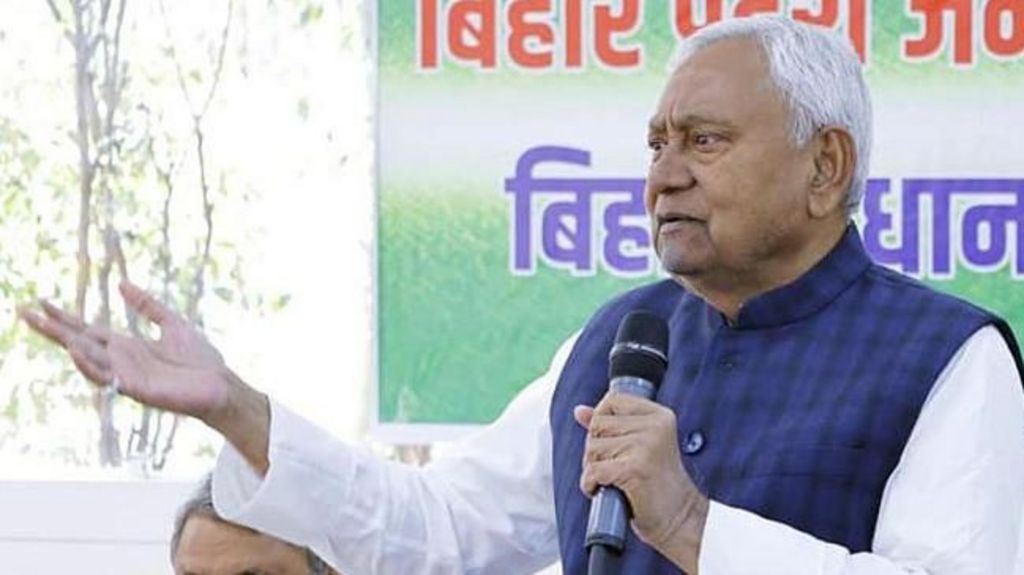
In a significant political development, Nitish Kumar has announced his resignation as Chief Minister of Bihar, India’s eastern state, marking a pivotal transition in regional governance. The 75-year-old political stalwart revealed his decision through a social media post, confirming his intention to transition to federal parliamentary duties while offering “full cooperation and guidance” to the incoming state administration.
This strategic move concludes Kumar’s remarkable tenure spanning nearly two decades during which he dominated Bihar’s political scene through nine separate terms as chief minister. His unprecedented tenth oath-taking in November followed a decisive electoral victory where his Janata Dal (United) party and BJP coalition secured 202 of 243 assembly seats.
Multiple sources within Kumar’s political circle attribute this transition to the leader’s declining health, though the veteran politician framed the decision as a natural evolution in his service to constituents. “The trust and support of voters enabled our government to serve with complete dedication,” Kumar stated in his announcement.
The resignation timing appears strategically aligned with parliamentary procedures, as five Rajya Sabha positions from Bihar become vacant in April. With the ruling coalition commanding sufficient legislative strength, political analysts anticipate Kumar’s party and BJP allies will comfortably secure four upper house seats.
This leadership change potentially enables Prime Minister Narendra Modi’s BJP to claim Bihar’s chief ministerial position for the first time in history. BJP national spokesperson RP Singh confirmed to media outlets that “the new chief minister will be from the BJP,” with the party’s parliamentary board determining the specific candidate.
However, the transition faces internal resistance from JD(U) members who campaigned specifically under Kumar’s leadership. Party colleague Rajeev Ranjan Patel expressed concern: “We sought votes for Nitish Kumar. If he’s no longer chief minister, where will Bihar’s people turn?”
The leadership succession carries profound implications for Bihar’s 74 million residents in India’s most economically challenged state, where migration for employment remains a persistent challenge. This development represents a fundamental realignment in one of India’s most politically significant regions.