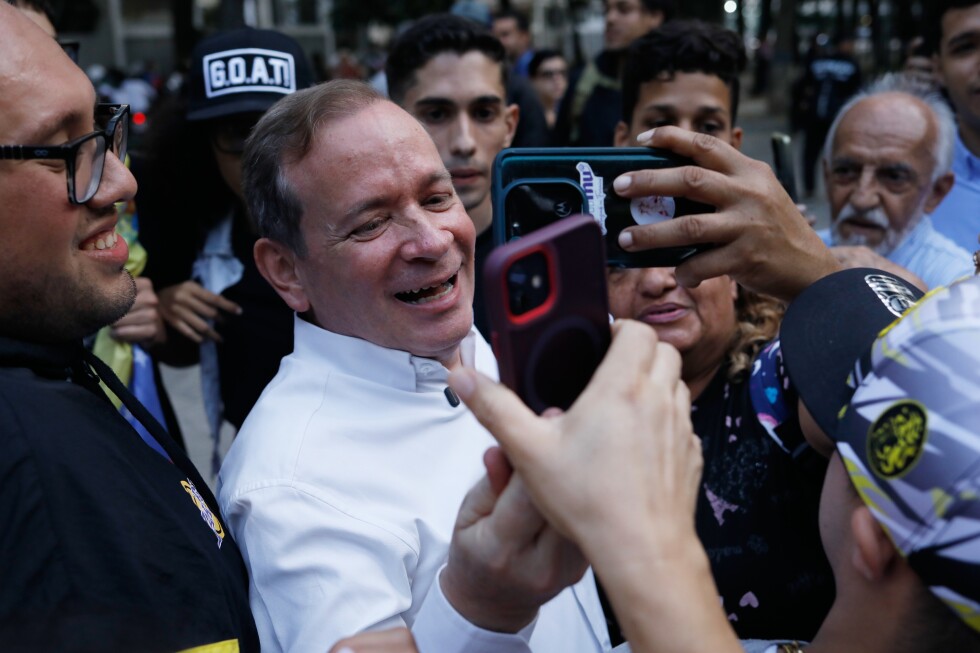
Venezuela’s political landscape witnessed dramatic developments this week as Juan Pablo Guanipa, a key ally of opposition leader María Corina Machado, was reportedly seized by armed operatives mere hours after his release from detention. The incident represents the latest escalation in the country’s ongoing political crisis.
Attorney General Tarek William Saab’s office formally requested judicial authorities to revoke Guanipa’s precautionary measures, citing alleged violations of his release conditions. While the statement sought house arrest instead of detention, it provided no specifics regarding the purported violations during Guanipa’s brief period of freedom.
The situation unfolded dramatically when Machado reported that Guanipa had been ‘kidnapped’ by heavily armed individuals in civilian clothing who arrived in four vehicles and violently apprehended him in a Caracas neighborhood. This account was corroborated by Guanipa’s son, Ramón, who described approximately ten unidentified assailants intercepting his father.
Guanipa had spent over eight months in custody following his late May arrest, when Interior Minister Diosdado Cabello accused him of participating in a ‘terrorist group’ allegedly plotting to boycott legislative elections—charges his family vehemently denied as politically motivated suppression.
His initial release came as part of a government initiative that freed several prominent opposition figures on Sunday, including attorney Perkins Rocha and organizer María Oropeza—whose 2024 arrest by military intelligence officers was livestreamed as they broke into her home. The releases followed mounting international pressure and a visit from UN Human Rights representatives.
The acting government of Delcy Rodríguez, who assumed power after Nicolás Maduro’s extraordinary capture by US forces on January 3rd, had announced on January 8th its intention to release significant numbers of political detainees. However, the process has drawn criticism for its slow implementation despite the ruling party-controlled National Assembly debating an amnesty bill that could potentially free hundreds.
Alfredo Romero of prisoners’ rights group Foro Penal expressed grave concern over Guanipa’s disappearance, noting the absence of clear information regarding his captors. The organization had confirmed at least 30 releases on Sunday, with freed individuals joining families in emotional reunions where chants of ‘We are not afraid!’ echoed outside detention facilities.