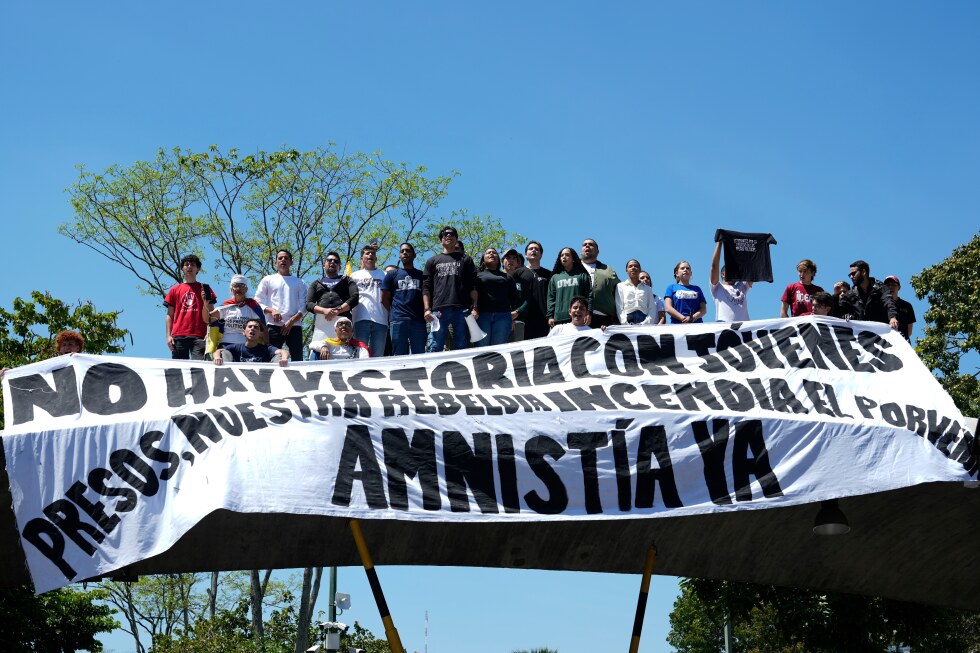
CARACAS, Venezuela — In a significant policy reversal, Venezuela’s ruling party-controlled parliament is set to debate a comprehensive amnesty bill on Thursday that could potentially liberate hundreds of political prisoners detained during the country’s prolonged period of political turmoil. This legislative action marks a dramatic departure from the government’s longstanding position denying the existence of politically motivated incarcerations.
The initiative follows the January 3rd capture of former President Nicolás Maduro by U.S. military forces in Caracas, after which acting President Delcy Rodríguez announced the proposed legislation. The bill, which Rodríguez characterized as essential for national healing, would cover political offenses committed throughout Venezuela’s period of political violence from 1999 to present.
While human rights organizations and opposition groups have welcomed the proposal with cautious optimism, they emphasize concerns regarding implementation specifics and eligibility criteria. The legislation explicitly excludes individuals convicted of serious crimes including murder, drug trafficking, corruption, or human rights violations from amnesty consideration.
According to Venezuelan prisoners’ rights organization Foro Penal, at least 431 detainees have already been released since Rodríguez’s initial announcement in January. The group estimates approximately 600 political prisoners remain in custody awaiting potential liberation under the new law.
Following parliamentary debate, lawmakers are expected to vote on the bill’s passage, after which Rodríguez would sign it into law. The acting president framed the legislation as a mechanism to ‘heal the wounds left by political confrontation fueled by violence and extremism’ and to ‘redirect justice and coexistence among Venezuelans.’