Nestled along the eastern shores of Lake Maracaibo, the neighborhood of Miraflores stands as a haunting monument to Venezuela’s vanished prosperity. Its American-style suburban homes with manicured lawns and porches once housed executives from the world’s most powerful oil companies during the nation’s petroleum golden age. Today, many sit abandoned and looted, their windows shattered and wiring stripped bare—a stark contrast to the community that symbolized Latin American wealth just decades ago.
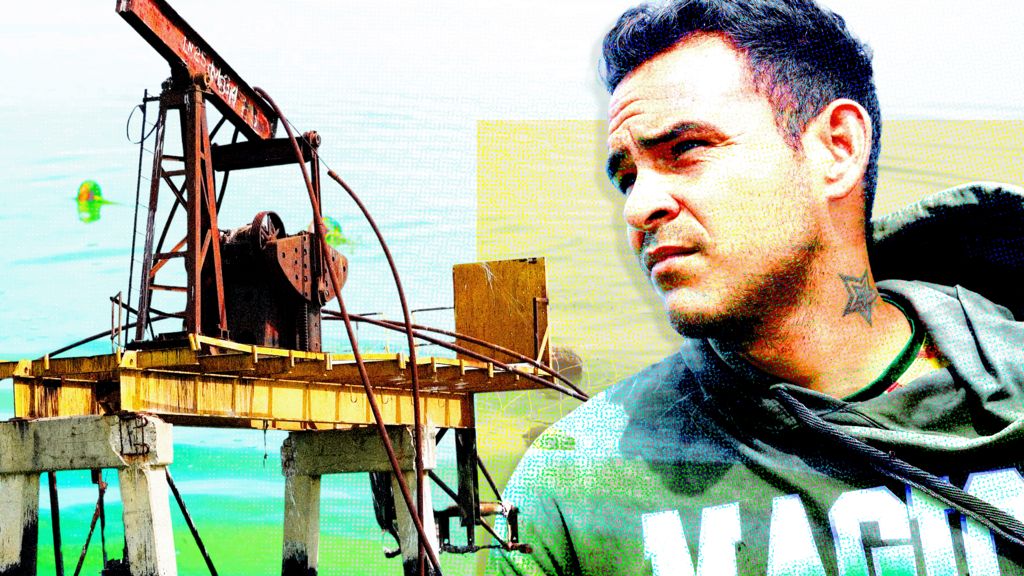
This region, containing the world’s largest proven oil reserves at approximately 303 billion barrels, now represents both Venezuela’s catastrophic decline and its potential salvation through a proposed $100 billion U.S. investment initiative. Throughout the Lake Maracaibo basin, rusting oil pumps stand motionless between homes and in fields, while others freshly painted in Venezuela’s national colors continue limited operations.
The area’s deterioration mirrors the nation’s broader economic collapse. Since President Nicolás Maduro took power in 2013, Venezuela’s GDP has plummeted by over 70%. Residents like Gladysmila Gil, who moved to the area in 1968 when her oil worker husband received company housing, describe dramatic declines in basic services. “The rubbish was collected every other day, and we didn’t have these power outages,” she recalls, noting that today garbage collection is sporadic and blackouts occur almost daily despite the region’s energy wealth.
The industry’s downfall traces back through multiple political eras. Following nationalization in 1976, state-owned PDVSA managed production that once reached 3.5 million barrels daily. The 2002 oil workers’ strike against then-President Hugo Chávez triggered massive firings—reportedly up to 22,000 technical staff—which industry veterans identify as a critical turning point. “You can’t lose 22,000 technical people in a company and expect that nothing happens,” says Jorge, a pseudonym for a worker dismissed during the purge.
Despite recent political developments including Maduro’s removal by U.S. forces to face narcotics charges, his loyalist Delcy Rodríguez has cooperated with the Trump administration to reform oil laws. Venezuela’s parliament approved significant legal changes allowing foreign and local companies to operate oilfields through new contract models.
Local reactions to potential U.S. investment are mixed. Fisherman Carlos Rodríguez welcomes the prospect: “It would be better because then there would be work, and our children wouldn’t have to resort to fishing.” Others express caution, with fisherman José Luzardo stating, “We have no problem with foreign companies coming to exploit our resources… but we don’t want to be anyone’s colony.”
Industry analysts remain skeptical about rapid recovery. ExxonMobil CEO Darren Woods recently labeled Venezuela “uninvestable” without stronger legal protections, noting the company had its assets seized there twice previously. Experts estimate that restoring former production levels could require a decade and hundreds of billions of dollars.
Yet hope persists among Maracaibo residents like 93-year-old retired oil worker José Rodas, who maintains a classic American muscle car from the 1970s oil boom. “Things have become more difficult,” he acknowledges. “In the past, life was easier.” For many in Venezuela’s oil heartland, the promise of renewed investment represents not just economic opportunity but the potential restoration of vanished prosperity.