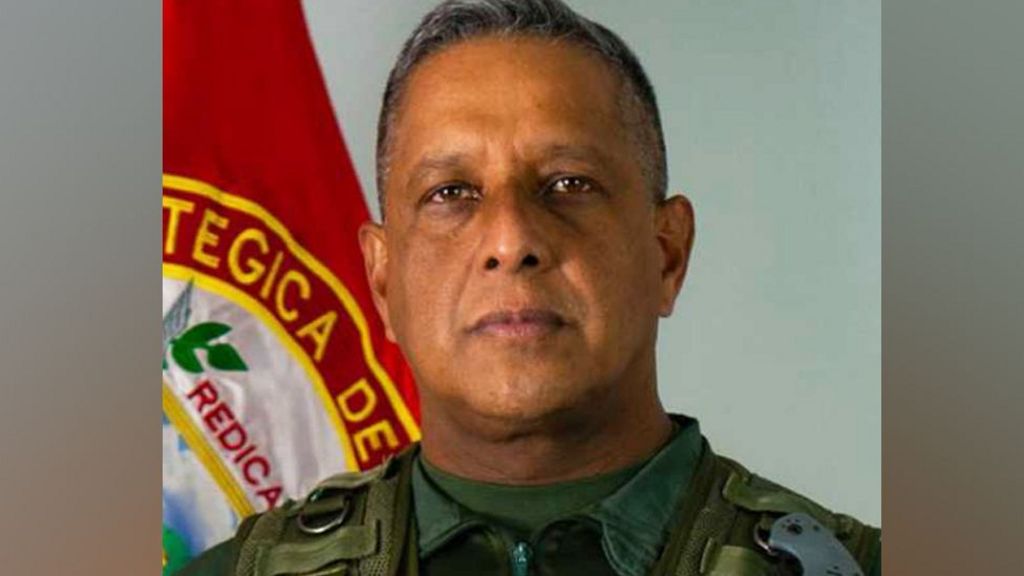
In a significant reshuffle of Venezuela’s security apparatus, Interim President Delcy Rodríguez has dismissed General Javier Marcano Tábata from his command of the presidential honor guard. This move comes just days after U.S. forces conducted a dramatic raid in Caracas, capturing former President Nicolás Maduro and transporting him to New York to face narco-terrorism charges.
The presidential honor guard, responsible for the head of state’s personal security, suffered substantial casualties during the operation. While official numbers remain undisclosed, Venezuelan military sources confirm 23 fatalities, including five generals. Notably, Cuba reported 32 of its nationals killed, many believed to be embedded within Maduro’s protection detail.
Rodríguez, sworn in by the government-loyal National Assembly, faces immense pressure from Washington. President Donald Trump has demanded compliance with U.S. interests, including access to Venezuela’s vast oil reserves—the world’s largest proven stockpile. Trump explicitly threatened Rodríguez with a ‘fate worse than Maduro’s’ for non-compliance, while simultaneously claiming Venezuela would ‘turn over’ up to 50 million barrels of oil to the United States.
The interim government’s response has oscillated between defiance and conciliation. Rodríguez condemned Maduro’s capture as an ‘illegal kidnapping’ yet extended an invitation for bilateral cooperation. Analysts suggest General Marcano Tábata’s removal relates primarily to his unit’s failure to prevent Maduro’s seizure rather than his concurrent leadership of the military counterintelligence unit (DGCIM)—an organization documented by UN investigators for systematic human rights abuses including torture and sexual violence.
His replacement, Gustavo González López, formerly headed Venezuela’s national intelligence service (Sebin), which faces similar accusations of suppressing dissent through its control of Caracas’ notorious Helicoide prison. This suggests the dismissal represents a consolidation of trusted allies rather than a policy shift away from repression.
With Trump acknowledging prepared secondary strikes against remaining hardliners—including Interior Minister Diosdado Cabello, who faces a $25 million U.S. bounty for alleged narco-trafficking—Rodríguez’s leadership balances domestic credibility against existential external threats. The security apparatus reorganization signals her attempt to stabilize control amid heightened vulnerability.