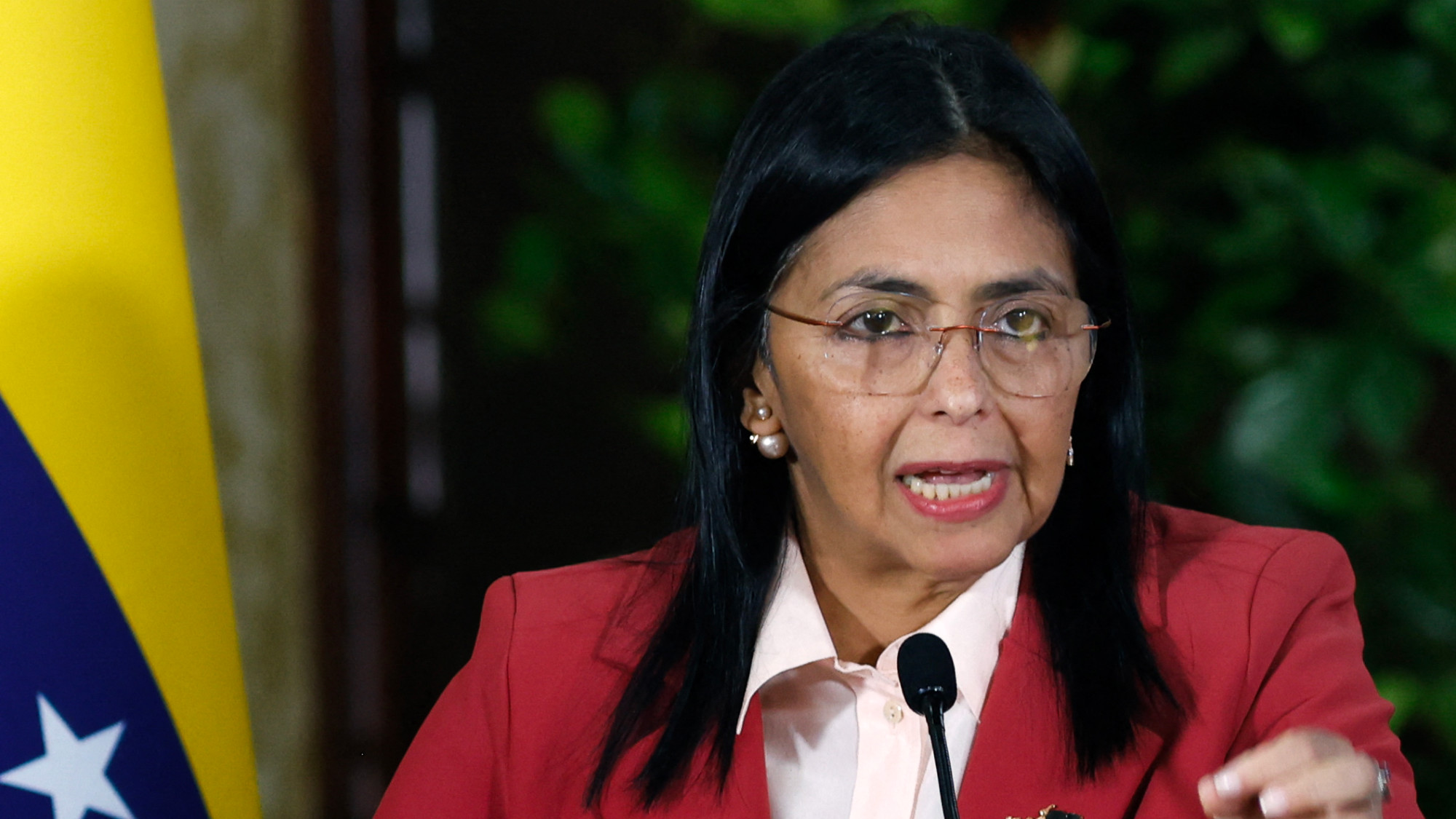
Venezuela’s interim President Delcy Rodríguez has characterized the United States’ military operation to capture Nicolás Maduro as possessing distinct ‘Zionist undertones.’ During a nationally televised address, Rodríguez asserted that the international community expressed profound shock over the armed aggression targeting the Bolivarian Republic of Venezuela. She issued a stark warning, declaring that history and justice would ensure accountability for the extremists responsible for promoting the attack.
The operation, executed by US special forces in the early hours of Saturday, resulted in the seizure of the ousted president from the capital city of Caracas. The assault was supported by American fighter jets conducting strikes on critical military installations throughout the country. Following the operation, the Venezuelan Supreme Court formally decreed Rodríguez, previously Maduro’s vice-president, to lead the nation on an interim basis.
The specific intent behind Rodríguez’s reference to Zionist elements remained initially unclear, yet it occurs against a backdrop of persistently strained relations between Venezuela and Israel. This diplomatic friction was highlighted in November when Maduro himself accused ‘far-right Zionists’ of conspiring to deliver his nation to ‘devils.’
In a notable contrast to widespread international condemnation, Israel emerged as a prominent supporter of the US-led mission. Israeli Foreign Minister Gideon Saar publicly commended the operation on social media, praising US leadership and expressing solidarity with the Venezuelan people whom he described as suffering under Maduro’s ‘illegal tyranny.’
The US military intervention faced sharp criticism from numerous South American nations, including Brazil, Colombia, and Chile, alongside key Venezuelan allies such as Russia, China, and Iran. While several European countries welcomed Maduro’s removal from power, they simultaneously raised serious concerns regarding the operation’s compliance with international law. Spanish Prime Minister Pedro Sánchez captured this ambiguous stance, noting Spain’s non-recognition of the Maduro regime while refusing to endorse an intervention that violates international legal standards. The operation also drew condemnation from US Democratic lawmakers, who labeled it as illegal.