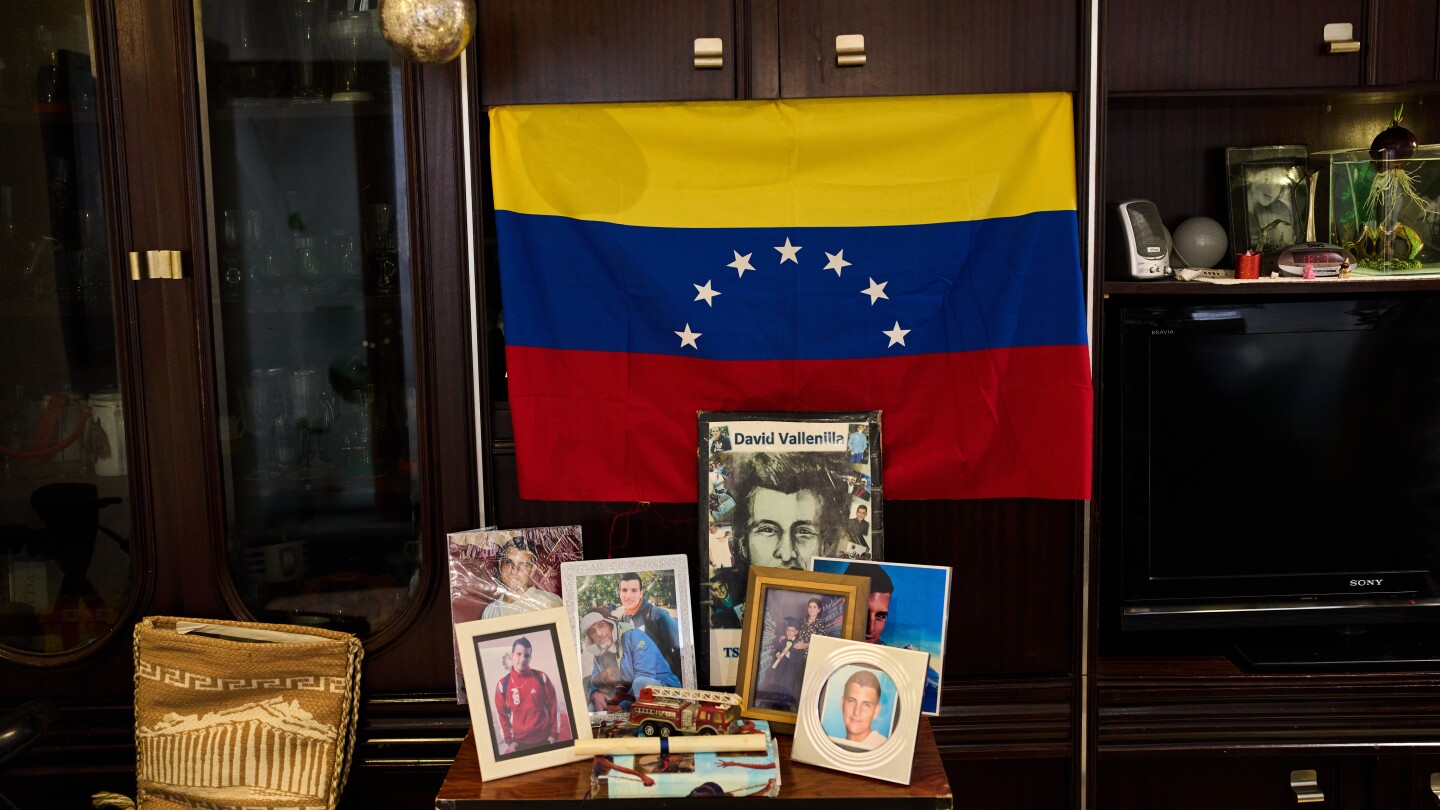
MADRID — The dramatic capture of Venezuelan leader Nicolás Maduro by U.S. forces has triggered powerful emotional responses among the 600,000 Venezuelan expatriates residing in Spain—the largest diaspora community outside the Americas. Many originally fled political persecution, violence, and economic collapse under Maduro’s regime, establishing new lives in Madrid’s healthcare, hospitality, and service industries.
David Vallenilla, a 65-year-old Caracas native living in Madrid, received the news through frantic messages from relatives. His personal tragedy epitomizes the regime’s brutality: In 2017, his 22-year-old nursing student son was fatally shot point-blank by a Venezuelan soldier during protests. The widely circulated video of the incident became symbolic of state violence. After demanding justice, Vallenilla faced threats and relocated to Spain with NGO assistance. While acknowledging that nothing can restore his son, he views recent developments as potential light after years of darkness.
Journalist Carleth Morales, who arrived in Madrid twenty-five years ago anticipating temporary studies, never envisioned Venezuela’s prolonged deterioration. She founded the Venezuelan Journalists Association in Spain, connecting hundreds of exiled professionals. Though skeptical about returning personally after decades abroad, she dreams of her daughters someday considering Venezuela a land of opportunity rather than trauma.
Verónica Noya embodies the anguish of families with imprisoned relatives. Her husband, army Captain Antonio Sequea, remains in solitary confinement since 2020 for participating in a military operation against Maduro. With four relatives still detained, she awaits news of their promised release while struggling to explain her husband’s absence to their children. Despite obtaining Spanish citizenship through family roots, she maintains her Venezuelan identity and hopes for a democratic homeland.