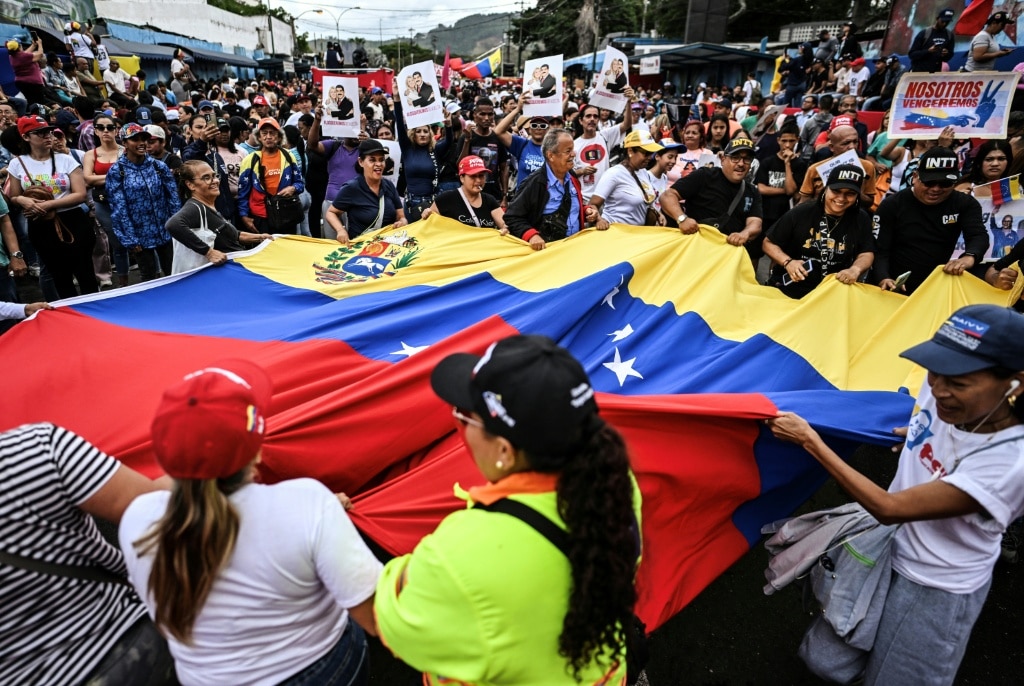
Venezuela enters a pivotal week as the interim government of Delcy Rodriguez begins implementing its promised release of political detainees, following last week’s dramatic capture of former president Nicolas Maduro by U.S. forces. The development marks a significant diplomatic shift as Caracas moves to normalize relations with Washington.
Interim President Rodriguez’s administration commenced prisoner releases last Thursday as a goodwill gesture, responding to U.S. demands for access to Venezuela’s substantial oil reserves. While government officials promised a ‘large-scale’ liberation, human rights organizations and opposition groups report approximately 20 individuals have regained freedom thus far, including several prominent government critics.
The prisoner release initiative occurs against the backdrop of Maduro’s incarceration in New York, where he faces serious drug-trafficking and weapons charges. From his detention facility, the ousted leader conveyed through his son that he remains ‘doing well’ despite the extraordinary circumstances of his capture during a January 3rd raid authorized by President Trump.
Human rights advocates estimate between 800-1,200 political prisoners remain detained across Venezuelan facilities, including the notorious El Helicoide intelligence service prison and El Rodeo penitentiary. Families maintained vigil outside these institutions over the weekend, holding candlelight demonstrations and displaying signs bearing their relatives’ names.
The political tension intensified with Sunday’s confirmation of a detained police officer’s death in state custody. Opposition groups identified the deceased as Edison Jose Torres Fernandez, a 52-year-old officer accused of ‘treason’ for sharing messages critical of Maduro’s government. Justice First, an opposition faction, directly blamed Rodriguez’s administration for the fatality.
Meanwhile, the Trump administration continues applying pressure beyond Venezuela’s borders, specifically targeting Havana. President Trump warned Cuba to ‘make a deal’ or face consequences, explicitly threatening to切断 the flow of Venezuelan oil that has sustained the island nation under US embargo. Cuban President Miguel Diaz-Canel responded defiantly, asserting readiness to ‘defend the homeland to the last drop of blood.’
Venezuela’s foreign ministry issued a statement advocating for ‘political and diplomatic dialogue’ between Washington and Havana, emphasizing principles of ‘non-interference, sovereign equality of states, and the right of peoples to self-determination.’
As diplomatic envoys from the United States visited Caracas to discuss reopening embassy operations, the interim government maintains it will pursue ‘the diplomatic route’ while insisting Venezuela remains not ‘subordinate’ to Washington—a delicate balancing act aimed at placating Maduro’s still-influential political base.