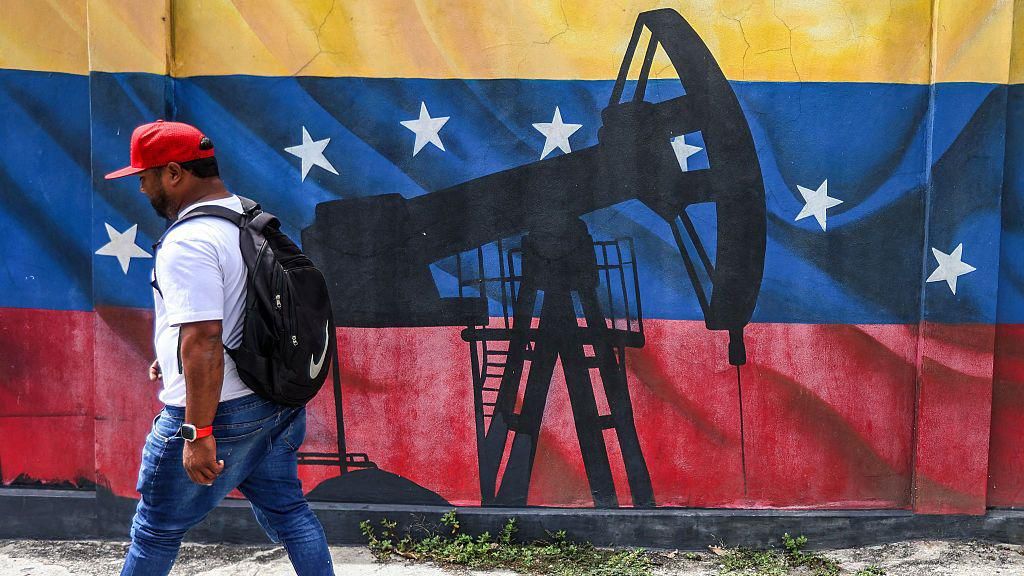
Venezuela’s National Assembly has passed a transformative reform of its hydrocarbons legislation, marking a significant policy shift that grants private enterprises—including international firms—greater operational autonomy within the nation’s oil industry. The legislative overhaul, which received approval from lawmakers aligned with former President Nicolás Maduro, is poised to reshape the investment landscape in a country possessing the world’s largest proven oil reserves.
Interim President Delcy Rodríguez, who assumed leadership following Maduro’s detention during a U.S. military operation earlier this month, is expected to formally enact the legislation. This move represents a substantial departure from the state-centric model established under former leader Hugo Chávez in 2006, which had progressively tightened governmental control over petroleum operations.
The reformed framework eliminates previous requirements mandating state-owned PDVSA to maintain majority stakes in joint ventures, thereby allowing foreign companies to exercise enhanced management control and obtain direct access to revenue streams from oil production. This structural change addresses longstanding investor concerns regarding contractual autonomy and financial transparency.
This legislative development occurs amidst ongoing negotiations between Washington and Caracas concerning the sale of sanctioned Venezuelan crude oil. The United States has authorized the export of tens of millions of barrels, with proceeds being channeled into a Qatar-based account subject to U.S. oversight. These funds are designated for essential public services including law enforcement, sanitation infrastructure, and medical procurement.
Industry analysts note that the reform could catalyze the return of international energy companies that largely withdrew from Venezuela following nationalization measures and subsequent contractual disputes. While Chevron has maintained operations through special U.S. licensing arrangements, numerous other firms seek compensation for previous contract alterations.
Despite Venezuela’s immense petroleum potential, the sector has suffered from chronic underinvestment, infrastructure deterioration, and comprehensive international sanctions. The new legal framework aims to counter these challenges by creating a more attractive environment for foreign capital and technical expertise.