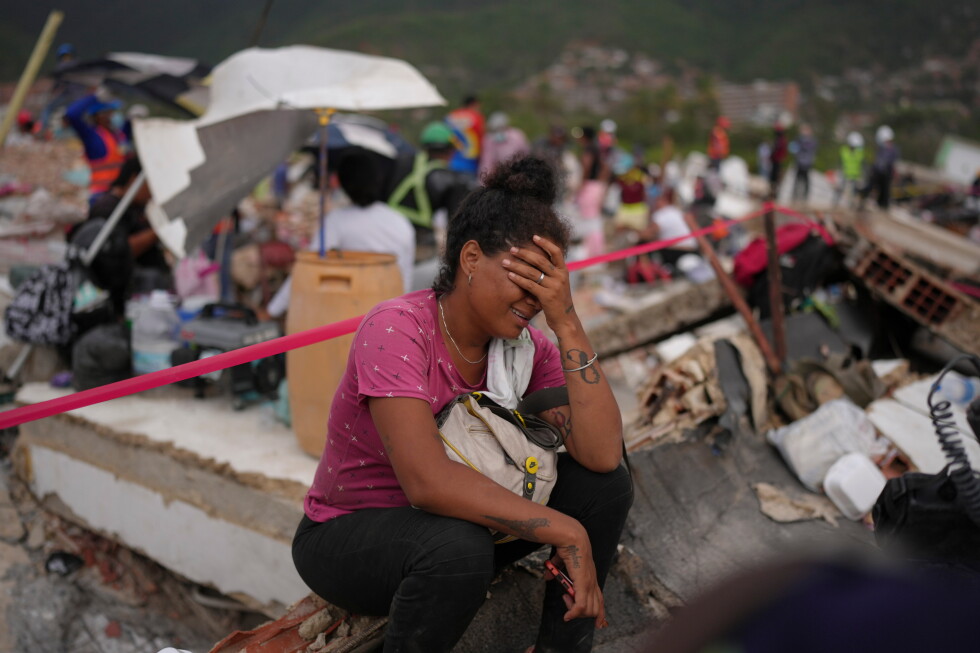
CARACAS, VENEZUELA – Seven days after two devastating earthquakes struck the country, Venezuelan medical professionals have warned that untreated injuries and the spread of infectious diseases have emerged as the deadliest immediate threats to thousands of displaced survivors. The June 24 quakes left tens of thousands homeless, forcing survivors to camp in overcrowded emergency shelters or open-air public spaces with limited access to potable water and functional sanitation infrastructure. Aid organizations and medical leaders have characterized the post-disaster situation as a rapidly unfolding public health crisis, warning that failure to scale up emergency medical support could lead to more deaths in the coming weeks than the earthquakes themselves.
Eugenio Cova, who leads the trauma department at Caracas’ public Hospital del Oeste Dr. José Gregor Hernández, explained that the most pressing looming risk is widespread infection among survivors who have spent days exposed to unsanitary conditions after the disaster. His facility has treated dozens of patients with severe, life-altering earthquake-related injuries, even as it grapples with critical shortages of essential medical supplies. Large sections of the hospital are now off-limits due to structural damage from the quakes, and the remaining operational areas lack key supplies including orthopedic surgery screws and plates, as well as antimicrobial gauze designed to prevent post-surgical and wound infections. Across the country, Venezuelan government data confirms that 38 hospitals suffered partial or total damage that has compromised their ability to provide care.
“We have moved past the initial acute phase of treating complex traumatic injuries, though new cases will continue to emerge – and now that response is being compounded by the growing threat of untreated infections,” Cova added.
While the 48 to 72-hour window widely cited as the peak period for rescuing trapped survivors has closed, international search and rescue teams from more than 25 countries have continued their work, defying odds to pull a small number of people alive from collapsed structures. On Tuesday, rescuers recovered a toddler who had been trapped for six days, offering a rare moment of hope amid a widespread humanitarian disaster. Thousands of families, however, remain in agonizing uncertainty waiting for word of missing loved ones.
As of Tuesday, Venezuelan official counts put the confirmed death toll at more than 1,900, a number that continues to climb daily as recovery teams clear rubble. Thousands more people remain unaccounted for. As of Wednesday, a crowd-sourced digital database maintained by local non-governmental organizations registered more than 40,600 missing people, leaving the full final death toll unclear.
The United States, which seized control of Venezuela’s national oil industry earlier this year amid ongoing political tension with the government of Nicolás Maduro, has ramped up its relief contribution in recent days. Steven McCloud, a spokesperson for U.S. Southern Command, confirmed to the Associated Press that 900 U.S. military personnel were deployed to support rescue and relief operations as of Wednesday, with an additional 100 staff from the U.S. State Department sent to support on-the-ground aid distribution.