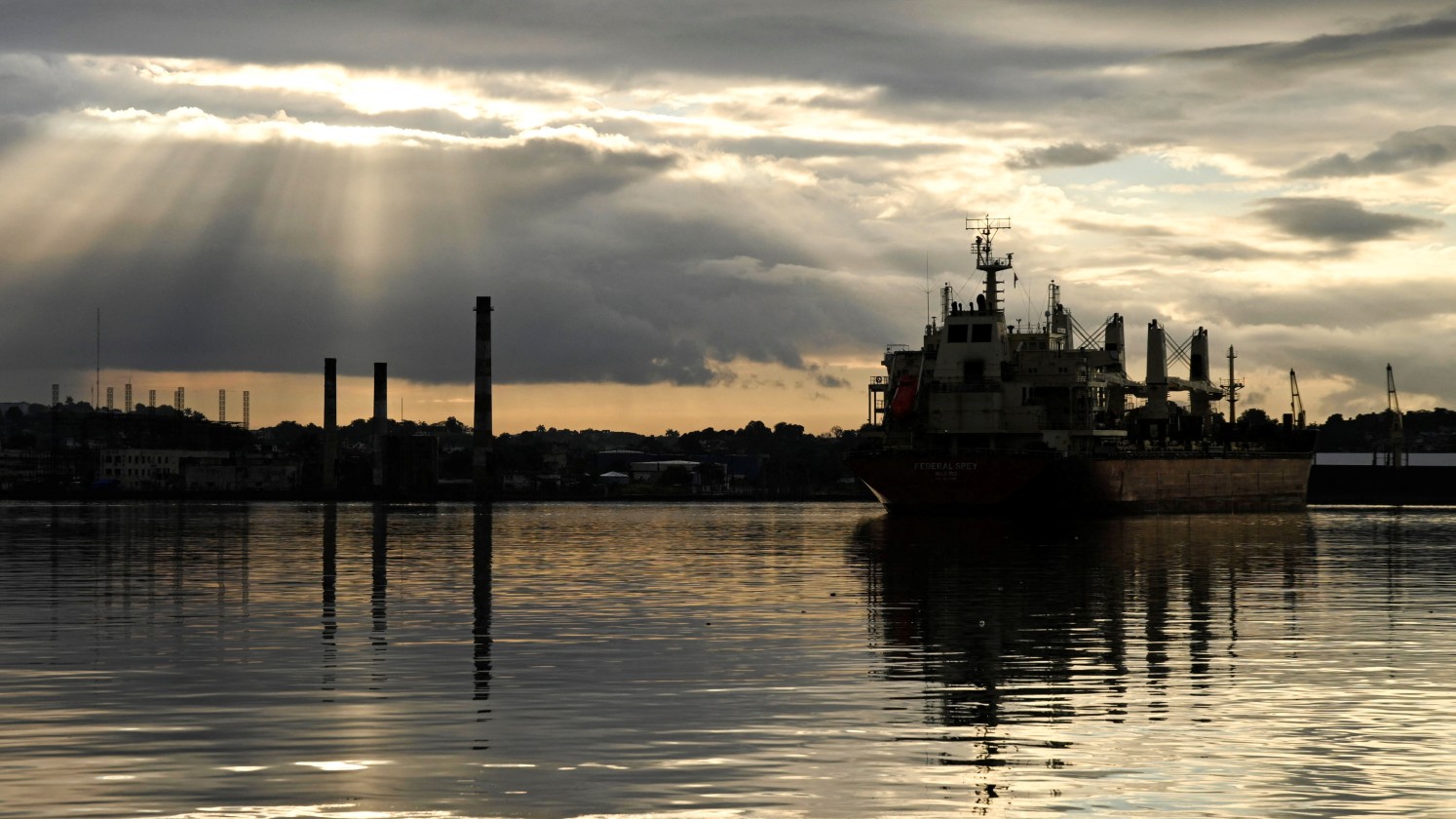
A Bloomberg report indicating Venezuela’s potential resumption of crude oil exports to Israel after a 17-year hiatus has been met with official denial from Caracas, creating a complex geopolitical narrative. The original report, citing anonymous sources familiar with the matter, claimed the shipment was being arranged by Israel’s Bazan Group and was intended to remain confidential, aligning with Israel’s policy of not disclosing its crude suppliers.
The reported transaction coincides with a significant diplomatic encounter between Israeli Foreign Minister Gideon Sa’ar and Venezuelan opposition leader María Corina Machado in Washington D.C. last week. This meeting suggests potential backchannel discussions occurring alongside the alleged trade developments.
Venezuelan Information Minister Miguel Perez Pirela vehemently disputed the report, declaring it ‘FAKE!’ in a social media post. The countries severed diplomatic relations in 2009 under then-President Hugo Chavez, with the last recorded shipment comprising approximately 470,000 barrels.
The context of this reported shipment occurs against the backdrop of intensified US involvement in Venezuela’s oil sector. Following recent developments involving President Nicolas Maduro, the United States has assumed direct control over Venezuela’s substantial oil reserves, estimated at 303 billion barrels. The US Treasury recently issued a general license for oil production in Venezuela while explicitly prohibiting Chinese and Russian entities from participating in these transactions.
Venezuela’s oil revenue is currently managed through a restricted account in Qatar, requiring US approval for disbursement. These funds are designated for public sector salaries and essential services, with Caracas having received $500 million from its initial oil sale under this US-brokered arrangement.
Industry analysts project Venezuela’s oil production could increase by up to 20% in coming months, with confirmed shipments already reaching India, Spain, and the United States, signaling a potential revitalization of the country’s energy sector under new regulatory frameworks.