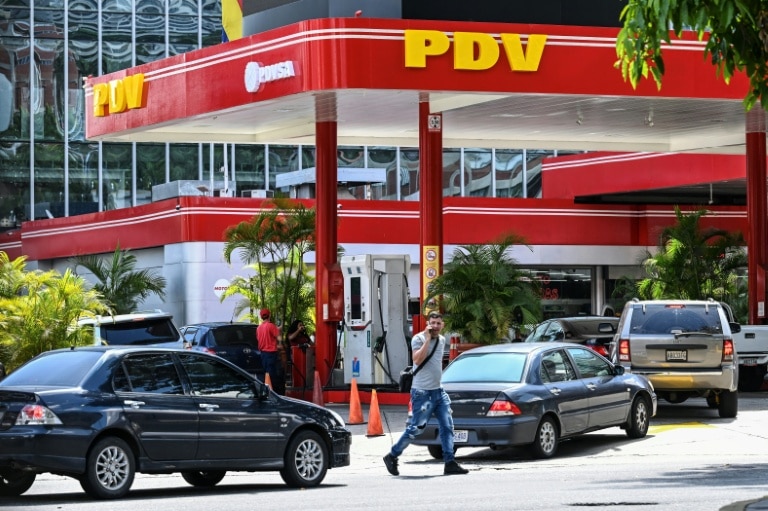
In a strategic economic maneuver, Venezuela’s interim government is deploying petrodollar revenues to combat hyperinflation and stabilize its crippled currency. The administration under Acting President Delcy Rodriguez confirmed receiving $300 million from U.S. sales of Venezuelan crude, funds immediately channeled into bolstering the struggling bolivar.
This dollar injection aims to narrow the widening gap between official and parallel exchange rates—a primary driver of Venezuela’s rampant inflation. Market analysts observed immediate positive effects, with currency speculation diminishing upon anticipation of the dollar influx. Alejandro Grisanti of Ecoanalitica noted that while such interventions provide temporary relief, sustainable economic recovery requires consistent dollar availability and responsible fiscal policies beyond exchange rate manipulations.
The current economic strategy marks a continuation of policies initiated during Nicolas Maduro’s administration, when Rodriguez served as vice president. Following Maduro’s military ouster on January 3, the United States asserted control over Venezuelan oil assets, with former President Donald Trump declaring Washington ‘in charge’ of the nation’s oil revenues.
Parliament has begun debating Rodriguez’s proposal to open Venezuela’s nationalized oil sector to private investment—a significant policy shift for the traditionally socialist nation. Meanwhile, ordinary Venezuelans face unbearable hardships with monthly minimum wages and pensions equivalent to merely 40 US cents, forcing pensioners to choose between hunger and untreated illness according to union leader Josefina Guerra.