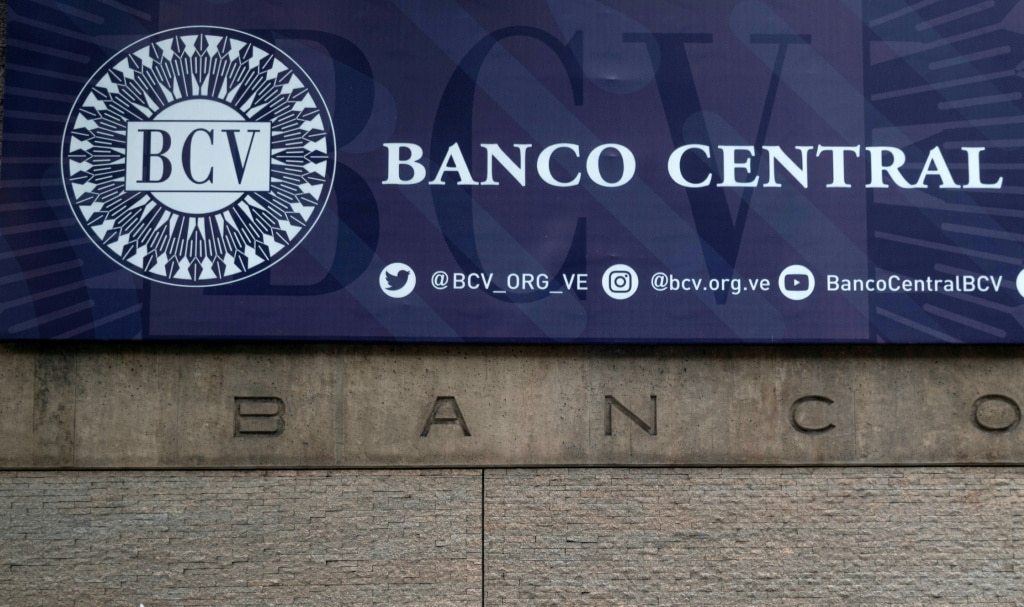
Venezuela has recorded the world’s highest inflation rate at 475% for 2025, according to figures released by the country’s central bank on Friday. This staggering number significantly surpassed the International Monetary Fund’s projection of 269.9%, highlighting the severity of the nation’s ongoing economic turmoil.
The primary catalyst for this economic distress was identified as the tightening of U.S. sanctions throughout 2025, part of a ‘maximum pressure’ campaign by the Trump administration targeting the government of then-leader Nicolas Maduro. The economic situation remains precarious, with accumulated inflation for the first two months of 2026 already reaching nearly 52%. The central bank, which had not published official inflation data for over a year, declined to issue a forecast for the remainder of 2026.
In a dramatic geopolitical shift, U.S. special forces deposed authoritarian socialist leader Maduro in a raid on Caracas on January 3rd. Following his ouster, Washington has moved to ease sanctions, and both nations have pledged to restore full diplomatic relations. A central component of this rapid diplomatic thaw includes plans to jointly develop Venezuela’s extensive oil and mineral reserves.
Despite these political developments, ordinary Venezuelans continue to struggle under the weight of exorbitant prices for basic necessities. Food and beverage prices alone skyrocketed by 532% in 2025, while rent increased by 340% and healthcare costs rose by 445%. With average monthly incomes ranging between $100 and $300—far below what is needed to cover basic food requirements—citizens like 58-year-old accountant Alix Aponte express frustration, stating, ‘I have to hop from one supermarket to another. It shouldn’t be like this.’
The current acting leader, Delcy Rodriguez—Maduro’s former deputy who was approved by Washington—has implemented a series of ambitious economic reforms. Her stabilization measures have included introducing greater fiscal discipline, halting the printing of money, relaxing exchange controls, and decriminalizing the use of the U.S. dollar, which has become Venezuela’s de facto currency. Rodriguez has also opened the vital oil sector to private investment and plans to overhaul mining laws to attract foreign capital.
Economists are cautiously optimistic about the future, with Tamara Herrera of Sintesis Financiera consulting firm predicting inflation could fall to just over 100% this year. Economist Jesus Palacios noted, ‘Going forward, the inflation expectation is toward moderation,’ signaling potential economic improvement following years of hyperinflation that peaked at 130,000% in 2018 and pushed millions to emigrate.