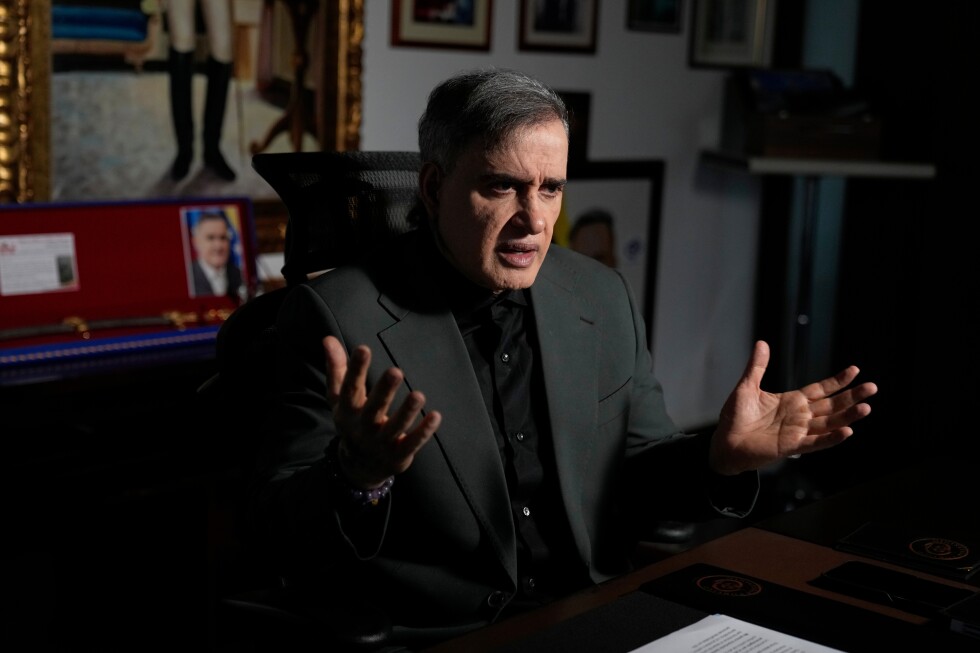
In a surprising political maneuver, Venezuela’s Attorney General Tarek William Saab resigned from his position Wednesday amid mounting pressure for judicial reform, only to be promptly appointed as the nation’s acting ombudsman by the ruling party-controlled National Assembly.
Saab, a longtime ally of deposed President Nicolás Maduro, had served as Venezuela’s top prosecutor since 2017 despite facing persistent allegations of human rights violations throughout his tenure. His resignation letter, submitted without explanation, comes during a period of significant governmental restructuring following Maduro’s dramatic capture by U.S. forces in Caracas on January 3.
The development coincides with the resignation of Alfredo Ruiz, who stepped down as ombudsman citing personal, family, and health reasons after holding the position since 2017. Saab will temporarily assume Ruiz’s responsibilities, which include promoting, defending, and monitoring human rights protections—a stark contrast to his previous role overseeing prosecutions.
These personnel changes occur against the backdrop of reform initiatives launched by Acting President Delcy Rodríguez, who recently authorized the release of political prisoners and signed into law an amnesty bill. These actions have sparked public demonstrations and renewed scrutiny of Venezuela’s justice system, highlighting patterns of fabricated charges, procedural delays, and systemic abuses against government opponents.
Human rights organizations have condemned Saab’s appointment to the human rights position. Juanita Goebertus, Americas director at Human Rights Watch, characterized the move as ‘a slap in the face of victims,’ emphasizing that genuine reform requires an independent attorney general committed to releasing all political prisoners.
Saab has consistently denied allegations of misconduct, asserting Wednesday that he executed his duties ‘with integrity and honor’ while preserving peace and protecting human rights ‘during a period of unimaginable aggression.’
However, UN-backed human rights experts have documented Saab’s instrumental role in what they describe as giving ‘a semblance of legality’ to serious abuses, particularly following the 2024 presidential election. Their reports detail how Saab’s office led state actions resulting in mass arrests and human rights violations under the pretext of combating a supposed ‘coup d’état’ and ‘fascism.’