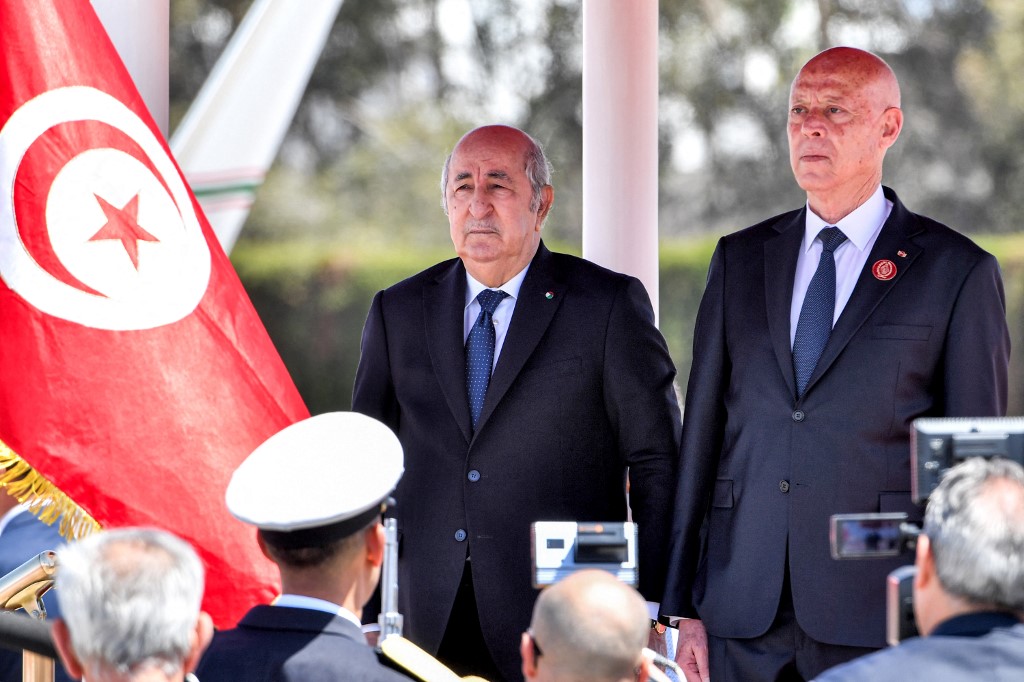
A clandestine defense agreement between Algeria and Tunisia has ignited fierce political controversy and accusations of sovereignty erosion. The pact, signed in October by Algeria’s Army Chief of Staff General Said Chengriha and Tunisian Defense Minister Khaled Sehili, remains shrouded in secrecy, fueling widespread speculation and opposition criticism.
The diplomatic relationship between the North African neighbors has been characterized by increasingly familial rhetoric, with Algerian Foreign Minister Ahmed Attaf delivering President Abdelmadjid Tebboune’s greetings to his Tunisian counterpart in January, emphasizing deepened partnership between “brotherly countries.” However, this official warmth contrasts sharply with growing public skepticism.
The controversy reached critical mass when a purported seven-page leaked document surfaced in December, containing provocative provisions including permission for Algerian troops to operate 50 kilometers inside Tunisian territory and authorization to intervene should Tunisia’s “institutional stability” be threatened. While both governments swiftly denounced the document as fabricated, the damage to public trust was already done.
Defense expert Mourad Chabbi from Grenoble Management School notes the agreement essentially updates a 2001 treaty, particularly institutionalizing intelligence-sharing mechanisms. “After securing the Libyan border through significant military deployment and maritime borders through EU agreements, the Tunisian army now seeks to secure its western flank,” Chabbi explained.
The military cooperation reflects strategic interests for both nations. Algeria, traditionally dependent on Russian military cooperation, gains access to Tunisia’s status as a US major non-NATO ally that regularly hosts international exercises. For Tunisia, it represents another layer of border security in addition to existing arrangements with the EU.
However, the partnership occurs against a troubling backdrop of democratic backsliding in both countries. President Kais Saied’s concentration of power since July 2021 has been accompanied by crackdowns on opposition figures, while Algeria has imprisoned prominent Hirak movement activists under Tebboune’s administration. The two leaders’ similar profiles—both coming to power after social movements destabilized security apparatuses—have facilitated growing alignment.
This alignment has manifested in concerning ways, including the extradition of Tunisian opposition figure Seif Eddine Makhlouf from Algeria to Tunisia in January, which Amnesty International condemned as an “international law violation.” Meanwhile, Tunisia has demonstrated increasing willingness to assist Algeria’s crackdown on opponents since 2021.
The relationship also extends to diplomatic matters, with Saied breaking Tunisia’s traditional neutrality on Western Sahara by hosting Polisario Front leader Brahim Ghali in 2022—a move that signaled clear alignment with Algeria’s position against Morocco.
Despite the controversy, security sources confirm the leaked document was indeed fake, though the absence of transparency around the actual agreement continues to fuel distrust and speculation about the true nature of Algerian-Tunisian relations.