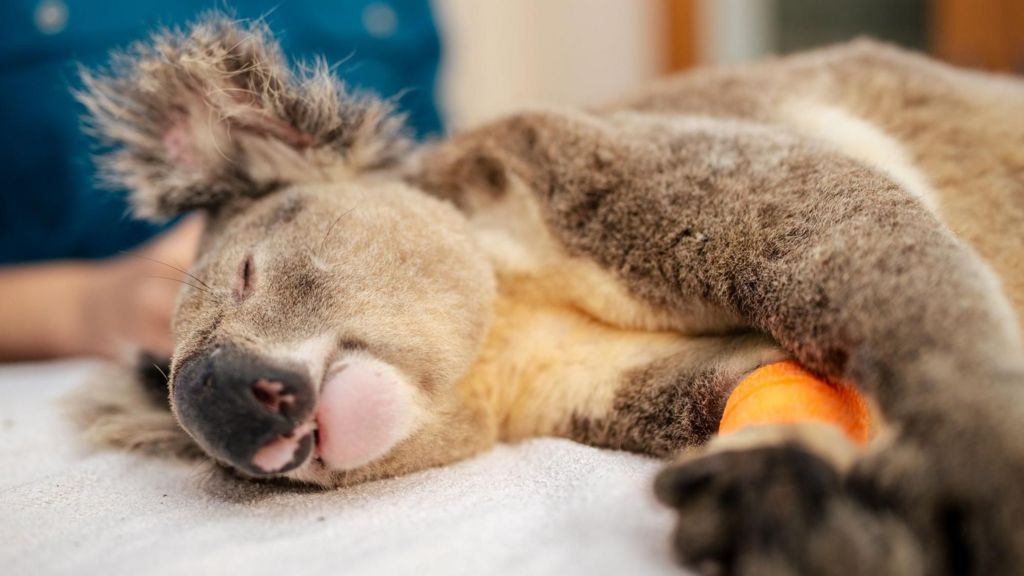
In a groundbreaking development, a vaccine designed to combat the devastating chlamydia epidemic threatening Australia’s koala population has received regulatory approval. Scientists at the University of the Sunshine Coast (UniSC) have spent over a decade developing this single-dose vaccine, which has shown promising results in reducing symptoms and mortality rates among wild koalas. Chlamydia, a disease transmitted through close contact or mating, has been a leading cause of koala deaths, accounting for up to 50% of fatalities in some regions. The disease causes severe health issues, including blindness, infertility, and often proves fatal. Traditional treatments, such as antibiotics, can be equally harmful, as they destroy the gut bacteria essential for digesting eucalyptus leaves, leading to starvation. The vaccine, tested on hundreds of wild koalas, has demonstrated a 65% reduction in mortality rates and a significant decrease in symptom development during breeding age. Despite the breakthrough, challenges remain. The rollout, slated to begin as early as January 2024, requires substantial funding to distribute the vaccine to wildlife hospitals, vet clinics, and at-risk populations. UniSC researchers hope to provide the vaccine for free but acknowledge the high costs associated with locating and inoculating wild koalas. Dr. Peter Timms, a microbiologist involved in the project, emphasized that while the vaccine is a critical step, it is not a standalone solution. Habitat loss, driven by land clearing, urbanization, and natural disasters, remains the most significant threat to koala survival. The Australian government has also taken steps to address habitat loss, with the New South Wales government recently announcing the creation of the Great Koala National Park, which will protect over 12,000 koalas and other threatened species. Environment Minister Murray Watt highlighted the vaccine’s role in ensuring future generations can still see koalas in the wild, while also focusing on species monitoring and habitat restoration. This milestone offers a glimmer of hope for the endangered koala population, but sustained efforts are needed to secure their long-term survival.