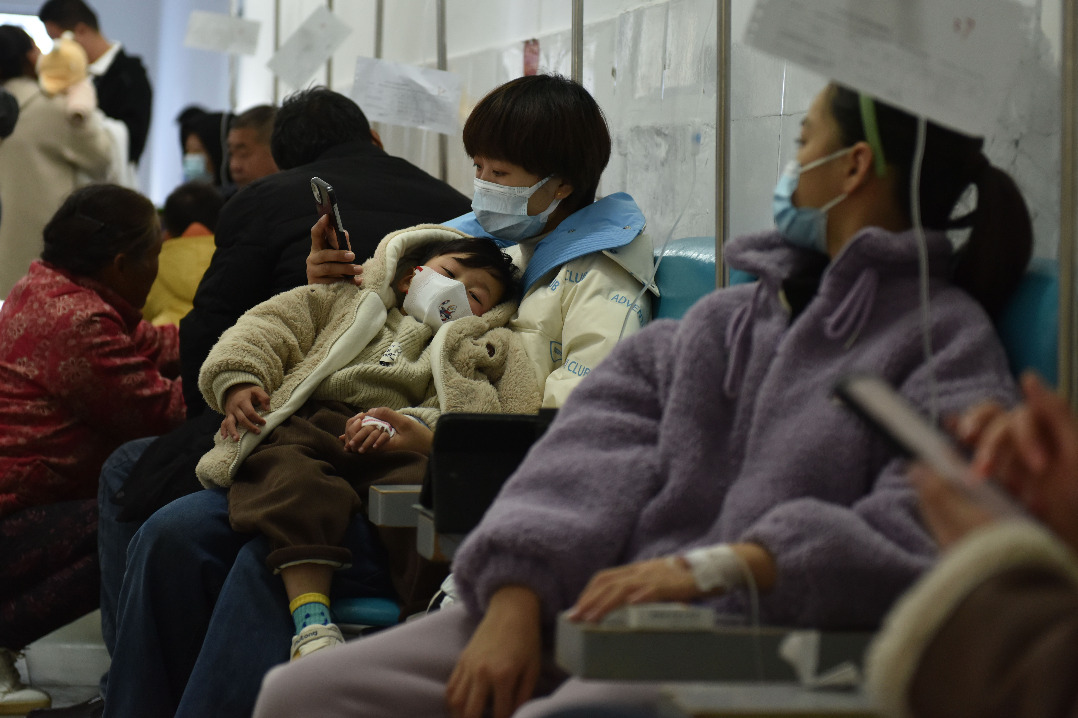
As China steps into the winter flu season, health authorities are calling for heightened vigilance and proactive measures to curb the spread of influenza. Peng Zhibin, a prominent researcher at the Chinese Center for Disease Control and Prevention, highlighted that the current surge in flu cases is primarily driven by the H3N2 subtype of influenza A. While infections from the H1N1 subtype and influenza B viruses are less prevalent, the overall situation remains concerning. Peng confirmed that no novel influenza strains or new respiratory pathogens have been detected so far. However, she emphasized that flu activity is rapidly escalating across most regions, with childcare facilities and schools being particularly affected. Data reveals that children aged five to 14 are experiencing significantly higher flu detection rates compared to other age groups. To mitigate the spread, Peng urged the public to get vaccinated promptly and adhere to personal protective measures such as wearing masks and ensuring proper ventilation. She also stressed the importance of health monitoring and maintaining hygienic environments in schools and other key facilities. Schools are advised to track student absences due to illness and encourage sick individuals to stay home.