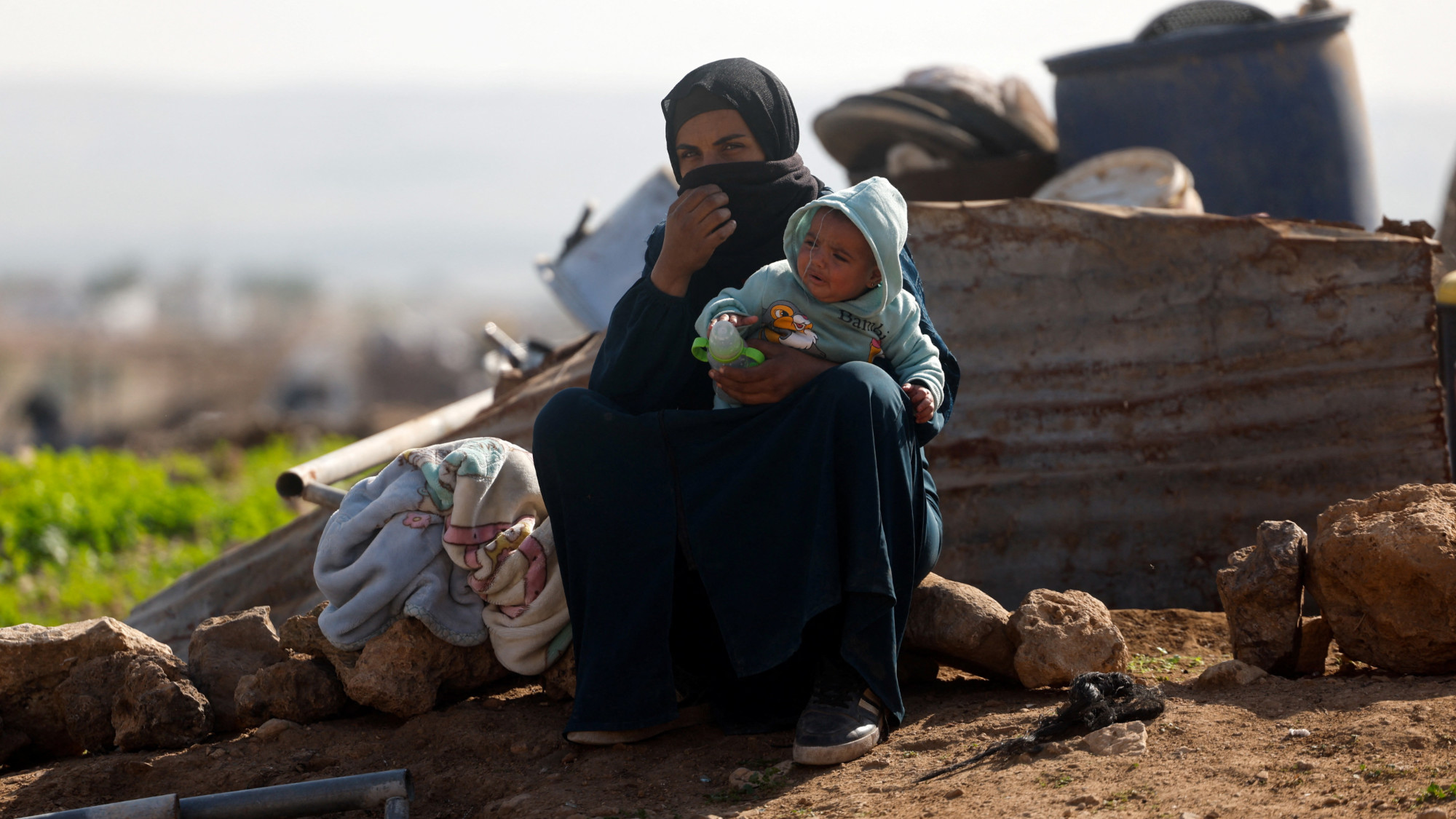
In the occupied West Bank, a disturbing new economic reality has emerged as Palestinian families resort to trading household possessions for basic sustenance. What began as community Facebook groups for exchanging surplus items has transformed into a digital marketplace of desperation, where mothers now offer furniture, children’s clothing, and kitchenware in exchange for olive oil and za’atar—staples that have become symbols of deepening poverty.
The economic collapse, accelerating since October 2023, represents what economist Dr. Haitham Oweida describes as “voluntary economic displacement” affecting all societal layers. With unemployment reaching 28% and GDP contracting by 13%, the territory faces a hunger crisis defined by consistent inability to secure nutritious food rather than total deprivation.
Three primary economic pillars have crumbled simultaneously: the loss of 200,000 Palestinian workers from Israeli employment (eliminating $460 million monthly income), the collapse of domestic tourism from Palestinian citizens of Israel (another $460 million monthly loss), and the instability of clearance revenues from Israel to the Palestinian Authority ($260-310 million monthly). International aid has simultaneously declined to approximately $740 million annually.
The consequences are starkly visible in both macroeconomic indicators and human tragedy. Palestinian workers now risk their lives daily attempting to cross separation barriers, with 38 confirmed deaths and over 1,500 injuries reported since October 2023—though actual numbers are believed higher due to underreporting.
One such casualty was Jihad Qazmar, 58, who told his brother before his fatal attempt: “I have no choice left but to beg for my family’s food outside mosques.” Similarly, Salim Rajab al-Far perished after being detained and beaten by Israeli soldiers during a crossing attempt, leaving behind a wife and seven children who had exhausted all savings and sold jewelry before his final journey.
As military checkpoints increased to 898 alongside 300 military gates according to UN OCHA, internal movement and trade remain largely paralyzed. The Palestinian Authority struggles to pay full public-sector salaries while approximately 50% of private-sector institutions report significant operational impacts. With no effective government intervention in sight, families continue trading their last possessions simply to survive another day.