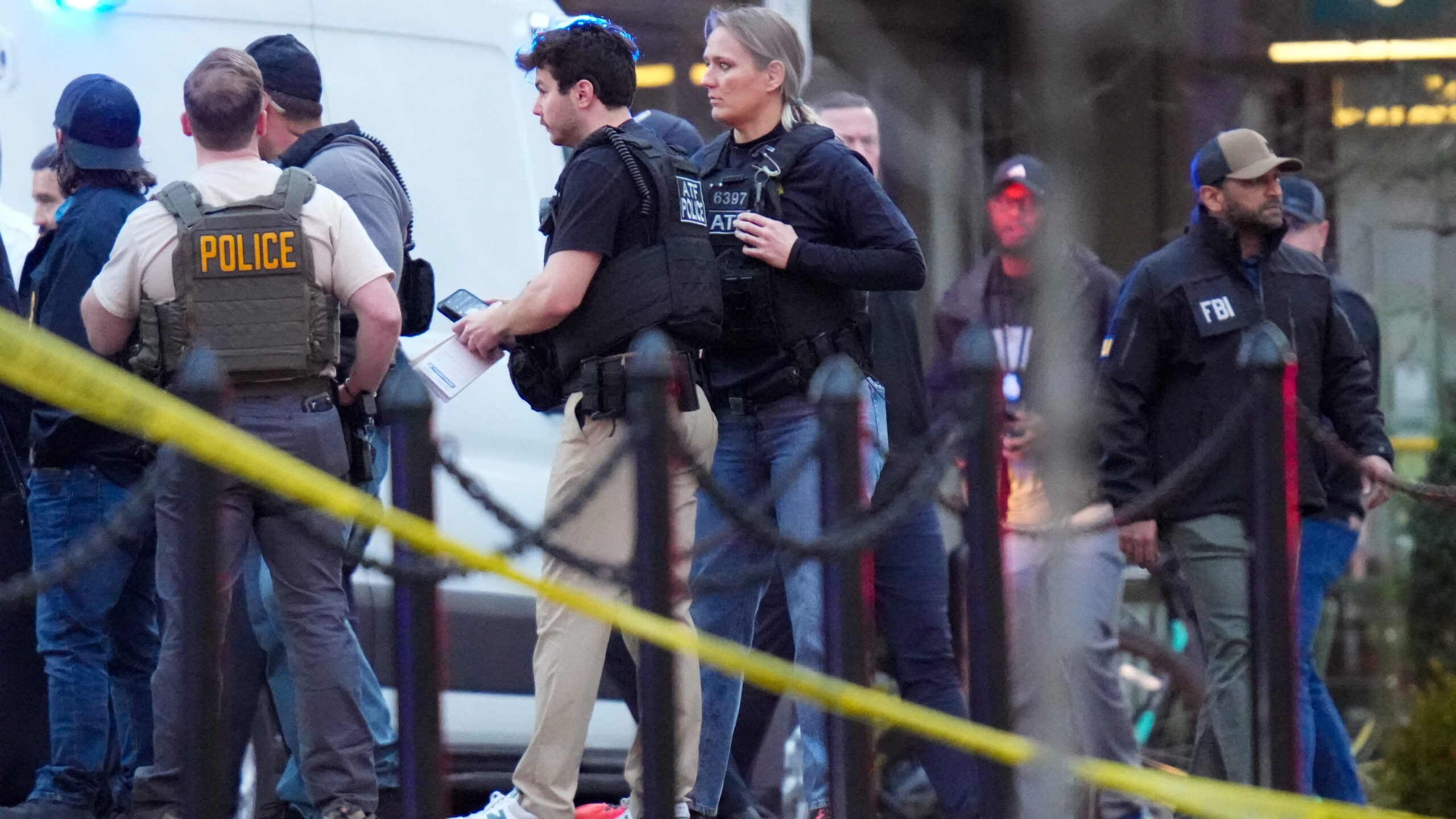
In response to a targeted shooting incident in Washington D.C., former President Donald Trump has announced a comprehensive reexamination of all Afghan immigrants admitted during the Biden administration. The policy shift follows an attack on Thanksgiving eve that left two National Guard members critically wounded.
The suspected assailant, identified as 29-year-old Rahmanullah Lakamal, was reportedly admitted to the United States on September 8, 2021, through Operation Allies Welcome (OAW) – a Biden-era initiative facilitating the resettlement of Afghans who collaborated with U.S. forces. According to Homeland Security statements, Lakamal entered through “mass parole” procedures without thorough vetting.
However, conflicting reports from Reuters indicate Lakamal underwent asylum processing during the Trump administration in April 2025, with no disqualifying factors found during background checks. Washington State records show no criminal history for the suspect.
The shooting victims, National Guard members Sarah Beckstrom and Andrew Wolfe from West Virginia, underwent emergency surgery and remain in critical condition. The National Guard deployment in DC originated from a Trump administration initiative addressing crime and homelessness, though the program has faced legal challenges and criticism from Mayor Muriel Bowser.
Intelligence sources reveal Lakamal served in a CIA-supported paramilitary unit known as “Zero Unit” in Kandahar, which conducted night operations against Taliban forces. Human rights organizations have previously characterized such units as “death squads.” A childhood acquaintance described Lakamal as struggling with mental health issues related to his combat experiences.
This incident has intensified the Trump administration’s existing immigration restrictions. Earlier measures included dismantling OAW and the Afghan relocation coordination office, significantly slowing processing for approximately 160,000 Special Immigrant Visa applicants. The administration also revoked Temporary Protected Status for over 11,000 Afghans this summer.
The tragedy highlights ongoing tensions regarding U.S. immigration policy and the complex legacy of American involvement in Afghanistan, where the Taliban has governed since the 2021 withdrawal.