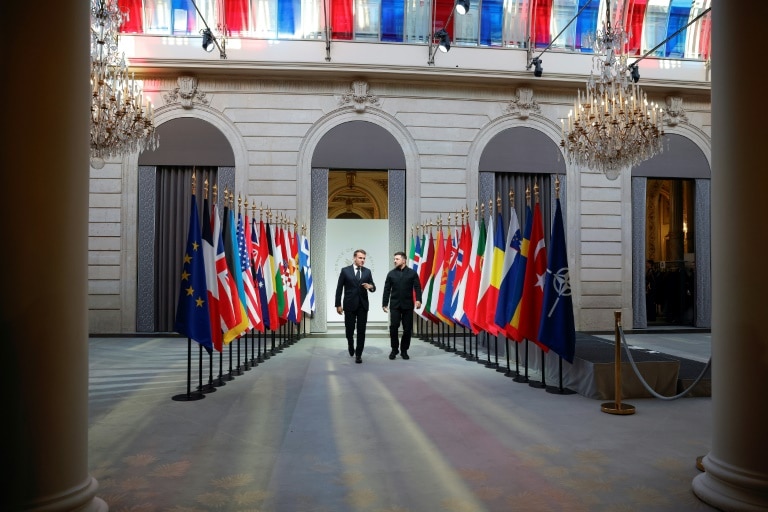
High-stakes diplomatic negotiations between Ukrainian and United States delegations entered a critical phase in Paris on Wednesday, with both sides preparing to address the most contentious obstacles to ending Russia’s military invasion. Ukrainian President Volodymyr Zelensky confirmed that discussions would focus specifically on the status of Russian-occupied territories in eastern Ukraine and the precarious situation surrounding the Zaporizhzhia Nuclear Power Plant.
The talks follow a significant breakthrough on Tuesday when European leaders and American envoys announced consensus on key security guarantees for Kyiv. The agreement includes a US-monitored oversight mechanism and a proposed European multinational stabilization force that would deploy following a ceasefire implementation. This development represents a notable display of Western unity despite underlying tensions regarding Venezuela and previous controversies surrounding former President Donald Trump’s geopolitical interests.
The American delegation features Special Representative Steve Witkoff and senior advisor Jared Kushner, underscoring the White House’s direct engagement in resolving the nearly four-year conflict that has become Europe’s deadliest military confrontation since World War II. President Zelensky emphasized the necessity of continued Western pressure on Moscow, stating that ‘peace must be dignified’ and contingent upon Russia’s genuine commitment to ending hostilities.
Kyrylo Budanov, Zelensky’s newly appointed chief of staff and former intelligence director, indicated that concrete progress has already been achieved though certain details remain confidential. The expanded negotiations now include diplomatic representatives from France, Germany, the United Kingdom, Italy, and Turkey, creating a broader international framework for potential resolution.
Despite these diplomatic advances, military confrontations continue unabated across conflict zones, with Moscow’s official negotiating position remaining ambiguous. Russian President Vladimir Putin has consistently opposed NATO troop presence in Ukraine, presenting a significant complication for proposed international security arrangements.