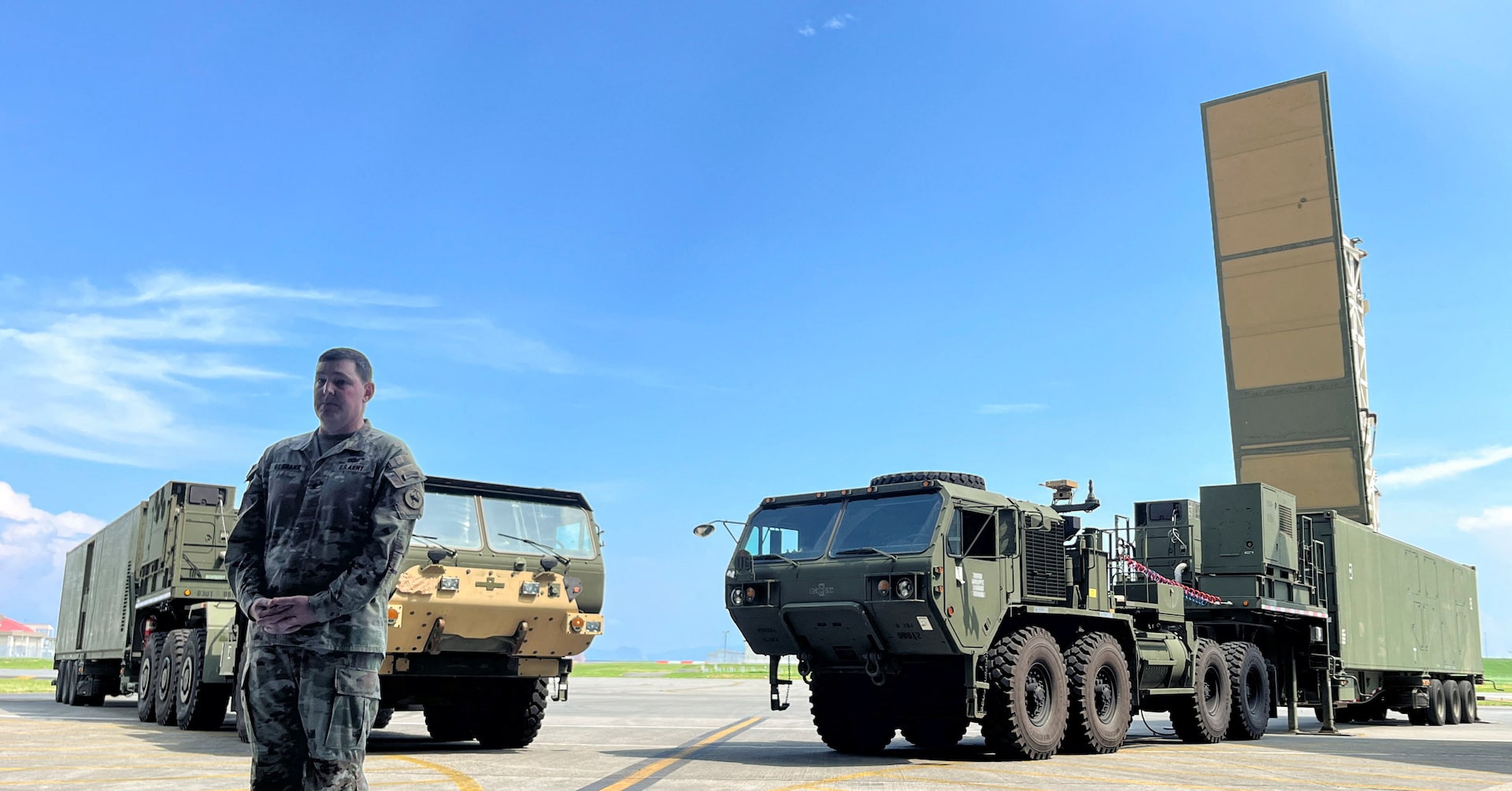
In a significant display of military cooperation, the United States unveiled its Typhon intermediate-range missile system in Japan during the annual Resolute Dragon exercise. The event, held at Marine Corps Air Station Iwakuni on September 15, 2025, marked the first time the Typhon system was showcased in Japan. The exercise, involving 20,000 U.S. and Japanese troops, underscores the growing strategic alignment between Washington and Tokyo in countering regional threats. The Typhon system, capable of launching Tomahawk cruise missiles with ranges sufficient to target China’s eastern seaboard or parts of Russia, has been criticized by Beijing and Moscow as destabilizing. Colonel Wade Germann, commander of the task force operating the system, emphasized its versatility and rapid deployment capabilities, though he declined to disclose its next destination after the exercise. The system’s presence in Japan, closer to China, is expected to provoke a stronger reaction from Beijing compared to its earlier deployment in the Philippines in April 2024. Analysts note that the U.S. and Japan’s willingness to field such weapons reflects a diminished concern over Chinese objections compared to previous years. The Typhon system, which also fires SM-6 missiles designed to strike ships and aircraft, is part of a broader U.S. strategy to counter China’s expanding missile arsenal. Japan, meanwhile, is accelerating its military spending, including the purchase of Tomahawk missiles and the development of its own intermediate-range capabilities, marking its largest military expansion since World War II. The regional arms buildup extends to Taiwan, which plans to increase defense spending to over 3% of GDP by 2026. The U.S. describes Iwakuni as part of the ‘First Island Chain,’ a strategic line of territories and bases aimed at constraining Chinese military power. The Typhon system’s deployment highlights the intensifying geopolitical tensions in the Indo-Pacific region.