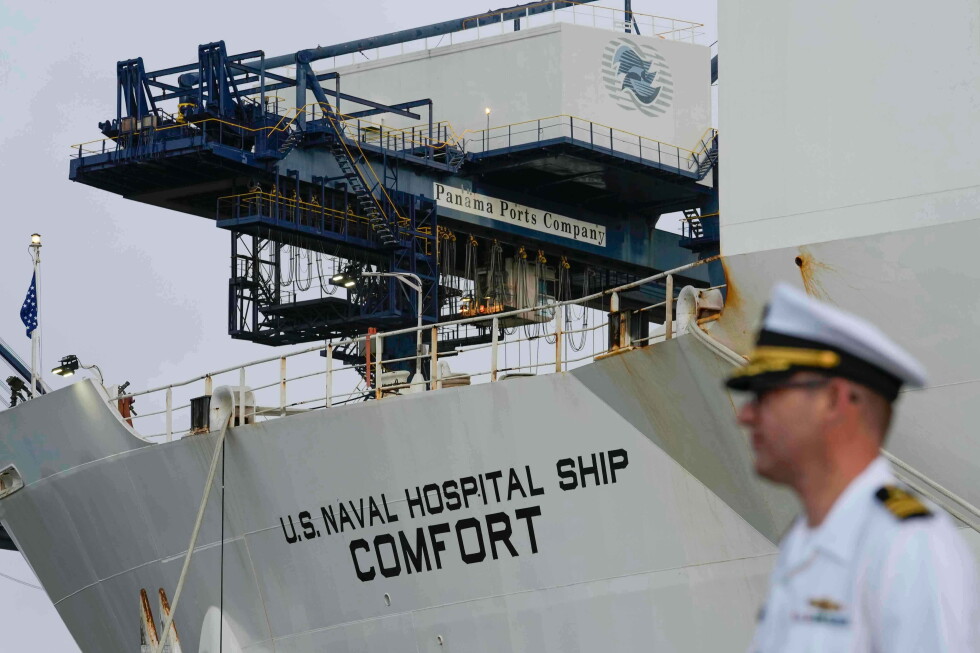
In a bilateral announcement made Wednesday following high-level talks in Miami, United States Ambassador to Peru Bernie Navarro confirmed that the U.S. will deploy the hospital ship USNS Comfort to Peru’s northern Pacific coast in February 2027 to assist the South American nation in managing the widespread public health and infrastructure impacts of the ongoing El Niño climate phenomenon. The deployment forms part of a broader new cooperation roadmap between the two countries, finalized during meetings between Navarro and Peruvian Foreign Minister Carlos Espá. The agreement comes as the U.S. ramps up both humanitarian assistance and joint security engagement across Latin America, in the wake of recent devastating earthquakes in Colombia and Venezuela that have tested regional response capacity.
During the Miami discussions, the two sides outlined a multi-pronged support package beyond the hospital ship deployment, including specialized technical expertise, new equipment donations, and joint surveillance overflights designed to help Peruvian authorities prevent, prepare for, and respond to extreme weather events tied to El Niño. The exact monetary value of the U.S. aid commitment was not released to the public following the talks. Espá also used the visit to meet with U.S. business leaders who have expressed interest in new investment opportunities in Peru’s mining and infrastructure sectors, opening a new economic channel of bilateral engagement alongside climate and security cooperation.
Speaking in Spanish, Ambassador Navarro explained that the core goal of the bilateral meeting was to map out Peru’s specific needs ahead of the projected 2027 El Niño peak, and build a framework for faster, more coordinated emergency response. He noted that recent humanitarian response efforts following the Colombia earthquake highlighted gaps in cross-border coordination that this new partnership aims to address. The USNS Comfort is no stranger to Peru, having previously deployed to the country for humanitarian medical missions in both 2018 and 2019.
Meteorologists have warned that the 2027 El Niño event could match or exceed the intensity of the record-breaking 1997 El Niño, one of the most destructive climate events in modern history. The 1997 event triggered widespread catastrophic damage across the Pacific basin, including deadly heatwaves, extreme rainfall, catastrophic flooding, and large-scale wildfires that displaced hundreds of thousands and caused billions of dollars in damage. For Peru, which sits on the eastern Pacific where El Niño forms, the phenomenon brings particularly severe public health and infrastructure risks, from contaminated floodwaters to disrupted access to care for vulnerable coastal communities.
Peruvian President Keiko Fujimori, who took office on July 28, has identified preparation for the potentially catastrophic El Niño event as one of her administration’s top policy priorities, framing proactive investment in disaster response as critical to protecting lives and livelihoods across the country.