In a significant policy shift, the Trump administration has announced the immediate suspension of the Diversity Visa Lottery Program (DV-1), citing national security concerns following a tragic shooting incident. The decision comes after investigators identified Claudio Neves Valente, a 48-year-old Portuguese national, as the perpetrator behind a mass shooting at Brown University and the subsequent killing of an MIT professor. Secretary of Homeland Security Kristi Noem confirmed that Valente had entered the United States through the diversity lottery system in 2017 and was granted permanent residency.
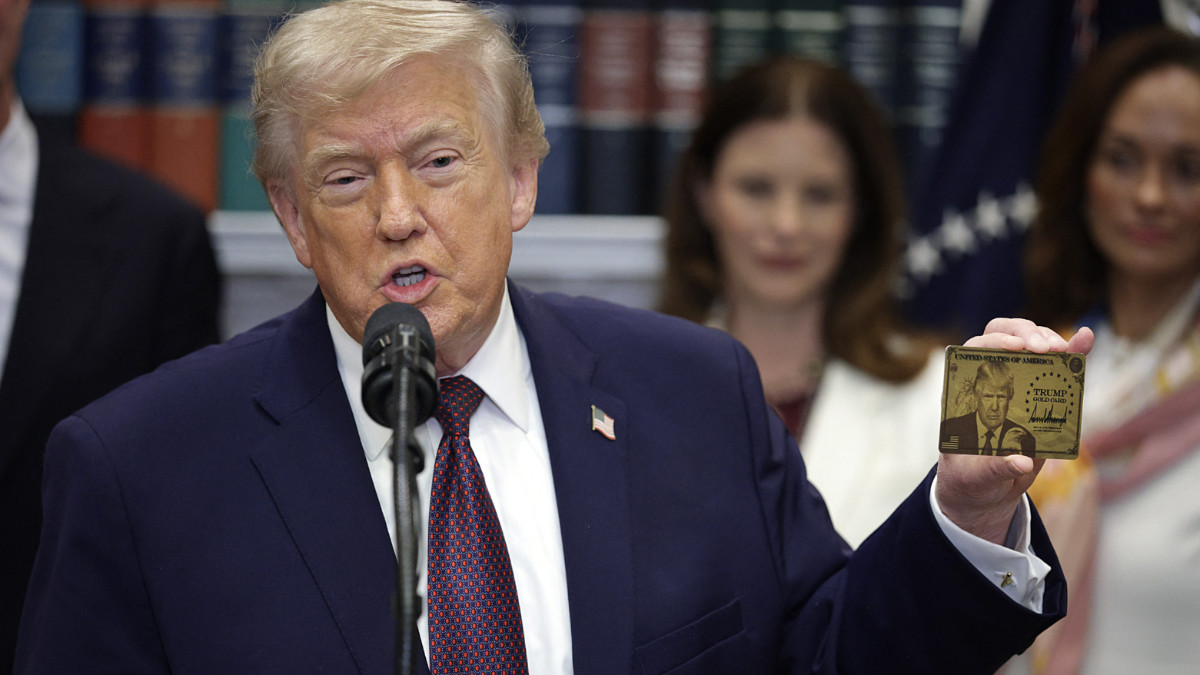
The administration’s move coincides with the controversial launch of premium immigration options. Commerce Secretary Howard Lutnick revealed the successful generation of $1.3 billion within days through the sale of ‘Trump Gold Cards,’ which offer expedited permanent residency. The program requires a $15,000 processing fee, a $1 million contribution to the United States, and successful background checks for applicants seeking accelerated residency status.
Furthermore, the administration is introducing an even more exclusive ‘Trump Platinum Card’ tier, demanding a $5 million contribution alongside the processing fee. This premium option grants holders the ability to spend up to 270 days annually in the United States without being subject to U.S. taxes on foreign-sourced income.
While the administration presents these measures as enhanced security protocols, critics argue the timing suggests financial motivations. The diversity lottery, established in 1995, has historically provided up to 55,000 permanent resident visas annually to individuals from countries with traditionally low immigration rates to the United States. This recent suspension follows previous immigration restrictions targeting several Arab and African nations, which the administration justifies as necessary for vetting and screening purposes, though opponents contend these policies disproportionately affect Muslim-majority regions.