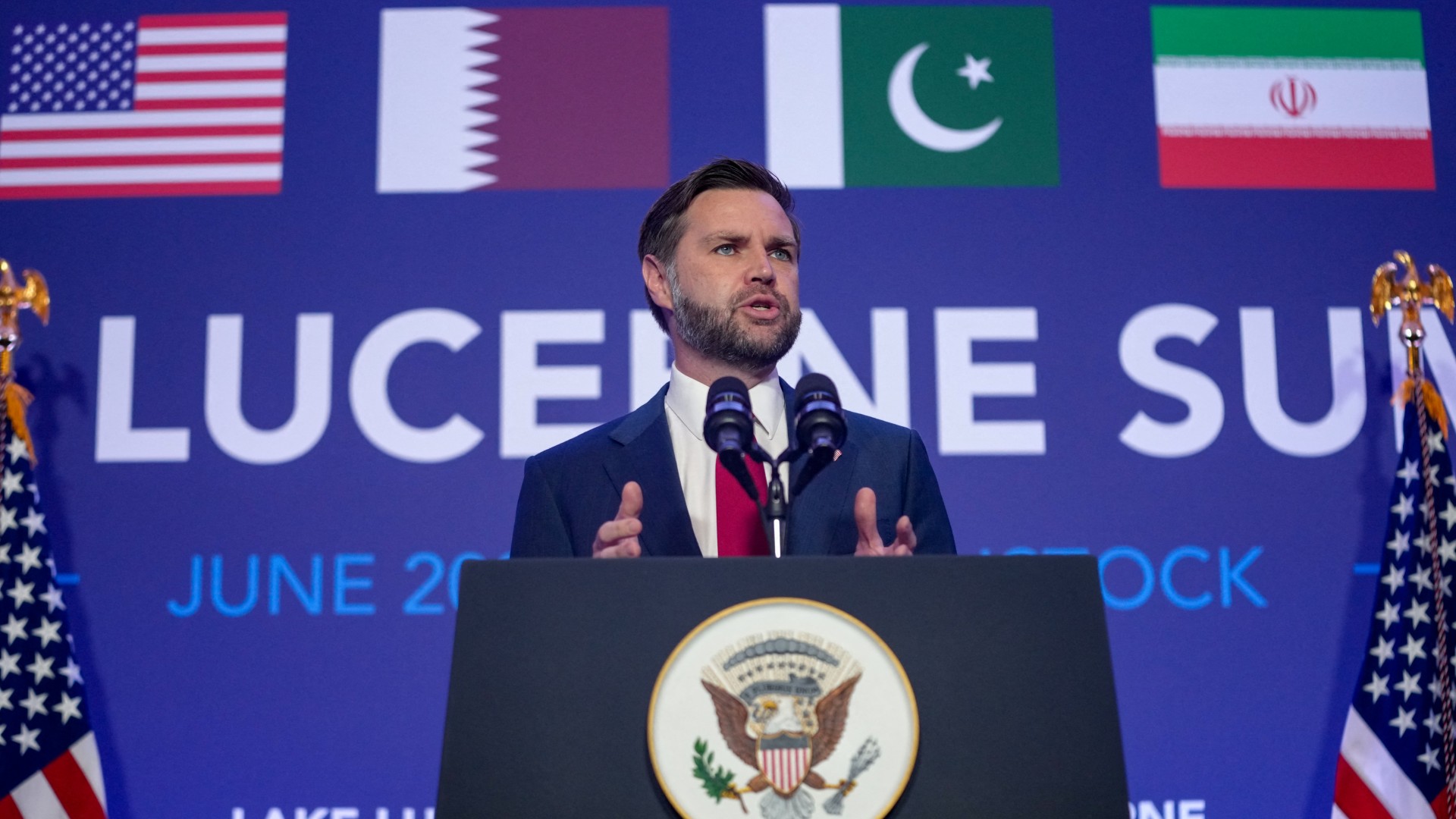
Fresh diplomatic progress between the United States and Iran has cleared the way for a temporary rollback of US sanctions on Tehran’s energy sector, even as the two sides remain publicly divided over the terms of nuclear inspection commitments reached during high-level talks in Switzerland.
US Vice President JD Vance characterized Monday’s discussions — the first high-level meeting under a pre-existing 60-day ceasefire and negotiation framework between Washington and Tehran — as having yielded “good progress.” Hours after the talks concluded, Treasury Secretary Scott Bessent confirmed that the US would issue a 60-day general license temporarily suspending sanctions on Iranian oil production and exports through August 21. All transactions completed during this window are required to be settled in US dollars.
Bessent outlined the agreement’s terms in a post on X, noting that the sanction rollback is tied to Iran’s pledges to maintain unobstructed navigation through the Strait of Hormuz and grant entry to inspectors from the International Atomic Energy Agency (IAEA). For Iran, which saw its oil output and exports plummet after the US imposed a full energy blockade amid rising hostilities over the Strait of Hormuz, the temporary relief is expected to deliver significant economic breathing room: prior to the blockade, Iran produced roughly 4.6 million barrels of crude per day and exported 1.5 million barrels daily.
But Iran has quickly pushed back on the US’s framing of the deal. In a report carried by state-run news agency IRNA, foreign ministry spokesperson Esmail Baghaei stated that Iran never entered negotiations on its nuclear program during the talks, and that “no new commitments” related to IAEA inspections have been adopted. Any future engagement with the nuclear watchdog, Baghaei added, will proceed “under existing procedures set by Parliament and the Supreme National Security Council” — a position reaffirmed by the Iranian government, which stressed that any new inspection arrangements would require formal approval from both governing bodies before taking effect.
US President Donald Trump pushed back on Iran’s denial hours later via his Truth Social platform, writing that “Everybody is fully aware that Iran will agree to have Major Weapons Inspections in order to ensure ‘Nuclear Honesty’ long into the future.”
Monday’s meeting marked the conclusion of the first High-Level Committee gathering under the Islamabad Memorandum of Understanding (MOU), a bilateral agreement between the US and Iran that paused active hostilities for 60 days to create space for technical negotiations. Pakistan and Qatar are serving as mediators for the talks, with Vance leading the US delegation and Mohammad Bagher Ghalibaf heading Iran’s negotiating team. Pakistan’s Prime Minister Shehbaz Sharif, whose government brokered the original MOU, hailed Monday’s session as a success, confirming that the two sides have agreed to a roadmap to reach a final comprehensive agreement within the 60-day negotiation window.
The opening round of talks has already spurred a wave of follow-up diplomatic activity across the Middle East. The US confirmed that Secretary of State Marco Rubio will travel to Bahrain next week to attend the Gulf Cooperation Council summit, a trip first reported by Middle East Eye on June 10. Rubio will also make official stops in the United Arab Emirates (UAE) and Kuwait. The trip will mark the first visit by a senior US official to the Gulf since the US and Israel carried out joint strikes against Iran on February 28.
Gulf nations have been deeply divided over the recent conflict between Washington and Tehran. Bahrain, the UAE and Kuwait suffered the most significant harm during the hostilities, with the UAE adopting the hardest-line stance against Iran — a position that included carrying out its own strikes against Iranian targets, according to Trump. Bahrain, which hosts the US Fifth Fleet’s headquarters in Manama, saw both its military infrastructure and key commercial assets damaged: the Financial Times reported that Amazon’s regional cloud computing operations based in Bahrain were targeted in an attack early in the conflict.
By contrast, Oman, Qatar and Saudi Arabia pursued more moderate, balanced positions during the war. All three publicly condemned Iran’s retaliatory strikes on Gulf targets, but Saudi Arabia has long pushed for diplomatic negotiations between the US and Iran to de-escalate tensions. The Trump administration, however, has openly expressed frustration with Oman, which has declined to publicly reject Iran’s longstanding position that it has the right to charge transit fees for vessels passing through the Strait of Hormuz. Trump even publicly threatened to bomb Oman if it joined any regional framework to enforce such tolls. Oman shares territorial claims to the strategic waterway with Iran, making its position uniquely sensitive.
In the wake of Monday’s talks, Iran’s chief negotiator Ghalibaf announced via his official Telegram channel that he will travel to Oman for bilateral talks, alongside Iranian Foreign Minister Abbas Araqchi, to discuss cooperation on consolidating joint management of the Strait of Hormuz. Separately, Pakistan confirmed that Iranian President Masoud Pezeshkian will travel to Islamabad on Tuesday for further discussions on the ongoing negotiation process.