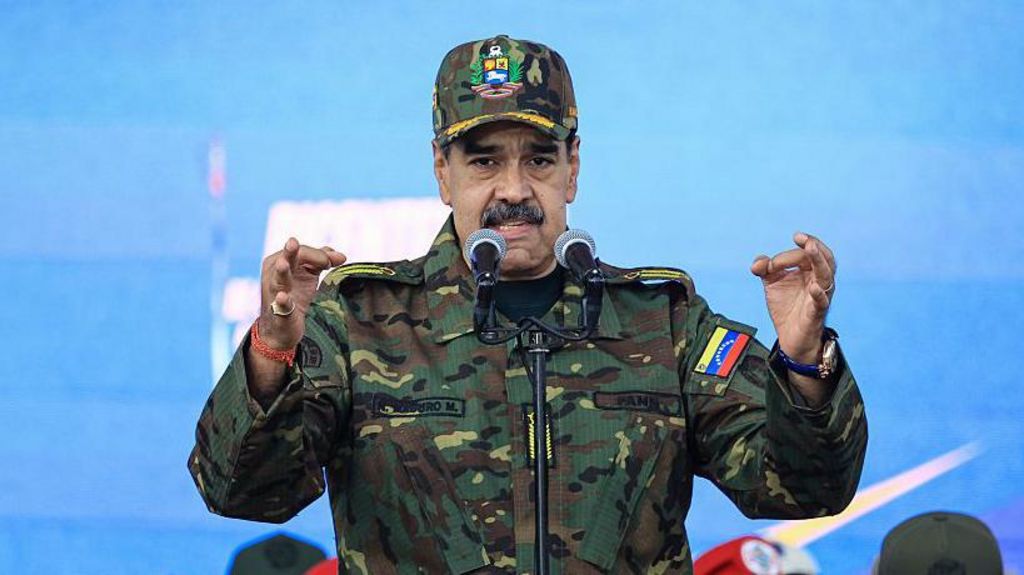
An emergency session of the United Nations Security Council witnessed unprecedented diplomatic fallout as the United States faced widespread condemnation for its military operation to apprehend Venezuelan President Nicolás Maduro. While numerous member states acknowledged Maduro’s illegitimate and repressive governance, the unilateral action provoked fierce criticism from both American allies and adversaries alike.
France emerged as the most vocal critic among US allies, with Deputy Ambassador Jay Dharmadhikari declaring the operation “counter to the principle of peaceful dispute resolution and runs counter to the principle of the non-use of force.” This sentiment was echoed by Denmark’s Deputy UN Ambassador Sandra Jensen Landi, who expressed “deep concern” and warned the action sets “a dangerous precedent” for international law.
The European bloc demonstrated significant division, with the United Kingdom and Greece notably refraining from direct condemnation. UK acting ambassador James Kariuki offered only a tepid statement advocating for a “safe and peaceful transition” without addressing the legality of the US operation.
Russian Ambassador Vassili Nebenzia delivered the harshest rhetoric, accusing the US of “international banditry” and “neo-colonialism and imperialism.” China’s Chargé d’Affaires Sun Lei similarly condemned what he termed “unilateral, illegal and bullying acts of the US,” while Colombia’s ambassador Leonor Zalabata Torres stated there is “no justification for the unilateral use of force to commit an act of aggression.”
The diplomatic dilemma for European nations was particularly acute, torn between defending fundamental principles of sovereignty and maintaining pragmatic relations with a crucial security partner. This conflict was exemplified by EU statements that emphasized the importance of international law without specifically condemning the US action, despite acknowledging Maduro’s illegitimate status and recognizing drug trafficking as a “significant security threat worldwide.”
The operation has reignited debates about Western double standards regarding territorial integrity, with many developing countries likely to add Venezuela to their list of examples alongside Vietnam and Iraq. The crisis has prompted broader questions about European strategic autonomy, with Polish Prime Minister Donald Tusk advocating for a more self-reliant and united Europe in the face of perceived American unpredictability.