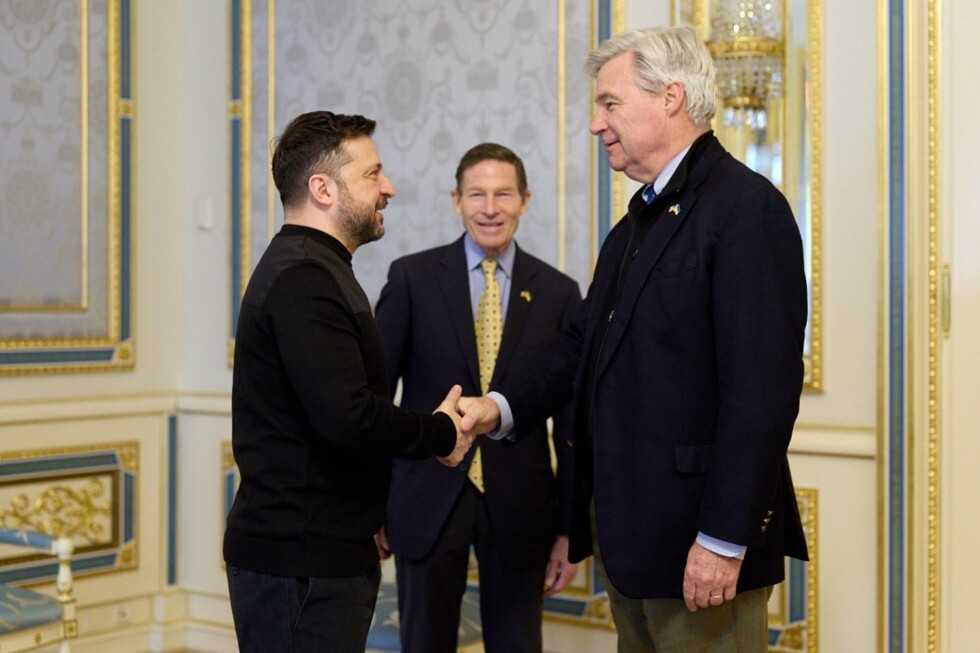
A bipartisan delegation of U.S. senators concluded a significant visit to Odessa on Wednesday, marking the first congressional trip to Ukraine’s strategic Black Sea port since Russia’s invasion nearly four years ago. The delegation, comprising Democratic Senators Jeanne Shaheen, Chris Coons, Richard Blumenthal, and Sheldon Whitehouse, aimed to galvanize congressional action on comprehensive sanctions designed to economically pressure Moscow into meaningful peace negotiations.
The timing of this diplomatic mission coincides with critical U.S.-brokered talks in Switzerland, where both Ukrainian and Russian delegations remain deadlocked on fundamental issues including territorial sovereignty and security arrangements. Senator Shaheen emphasized that Ukrainian officials consistently expressed desire for a peace agreement that preserves their nation’s sovereignty and territorial integrity.
Legislative efforts to impose robust sanctions have stalled in Congress for months, despite multiple proposals gaining traction. The most comprehensive bill would authorize the Trump administration to implement tariffs and secondary sanctions against nations purchasing Russian energy exports, targeting the financial infrastructure supporting Moscow’s military operations. Additional targeted measures would address China’s military support for Russia, seize frozen Russian assets, and disrupt Moscow’s ‘shadow fleet’ of oil tankers circumventing existing sanctions.
Senator Lindsey Graham confirmed during the Munich Security Conference that Senate Majority Leader John Thune committed to bringing the sanctions package to vote once it secures the necessary 60-vote threshold. Graham characterized the legislation as a ‘game changer’ that has received President Trump’s endorsement.
The House of Representatives is considering parallel measures, including bipartisan legislation targeting Russia’s defense industry and financial systems, alongside an $8 billion military aid package for Ukraine proposed by House Foreign Affairs Committee’s top Democrat Gregory Meeks.
Upon returning to Washington, the senators plan to document attacks on U.S. businesses in Ukraine and increase pressure for enhanced military support. As Senator Blumenthal noted, ‘Putin understands weapons, not words.’ However, the administration’s ambiguous long-term commitment to Ukrainian security presents ongoing challenges, despite bipartisan consensus on the necessity of sustained pressure against Russian aggression.