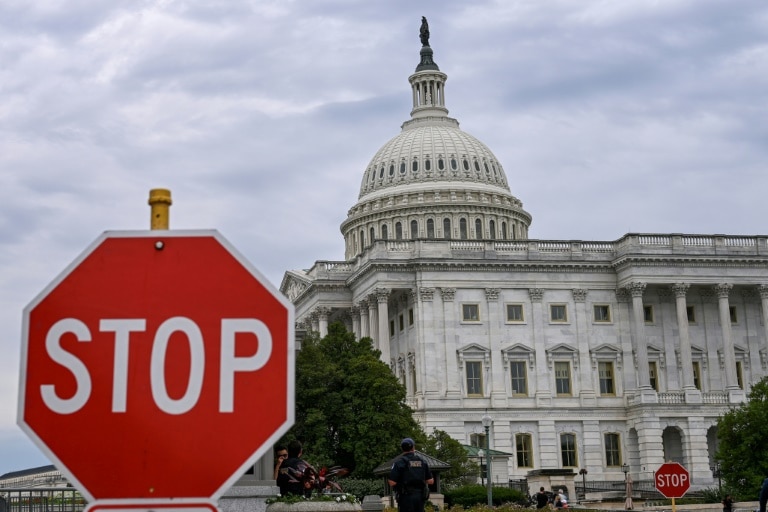
The United States Senate faces an imminent legislative deadlock as Democrats pledge to obstruct a critical government funding package, escalating tensions over immigration enforcement policies. The Republican-controlled chamber requires 60 votes to advance a comprehensive six-bill spending measure designed to fund approximately 75% of federal operations through fiscal year 2026. However, Democratic opposition remains steadfast unless Homeland Security funding undergoes separate consideration with enhanced restrictions on Immigration and Customs Enforcement (ICE) operations.
This political confrontation gained intensity following recent fatalities involving federal agents. The shooting deaths of two activists—Alex Pretti, an intensive care nurse in Minneapolis, and Renee Good—during immigration enforcement actions have dramatically reshaped the funding debate. Senate Minority Leader Chuck Schumer articulated the Democratic position, stating: ‘While Americans support border security, they reject ICE terrorizing communities and killing citizens. This agency must adhere to standard law enforcement accountability measures.’
Democratic negotiators demand structural reforms including termination of roving ICE patrols, strengthened warrant requirements, standardized use-of-force protocols, prohibition of facial concealment during operations, and mandatory body camera implementation. Republican leadership resists decoupling Homeland Security from the broader package, warning that procedural delays could precipitate the very shutdown both parties ostensibly seek to avoid.
With the House of Representatives in recess until after Friday’s funding deadline, legislative options appear constrained. Emerging proposals suggest advancing five non-controversial spending bills alongside a temporary Homeland Security funding extension, though Democrats emphasize requiring statutory reforms rather than executive assurances. The White House has intensified engagement in negotiations, exploring stopgap solutions while agencies like FEMA face potential operational paralysis during severe winter conditions.
The impasse carries significant electoral implications as all House seats and one-third of Senate positions approach contested elections. Should funding lapse, hundreds of thousands of federal employees face furloughs or uncompensated work, potentially triggering widespread economic disruption across government services.