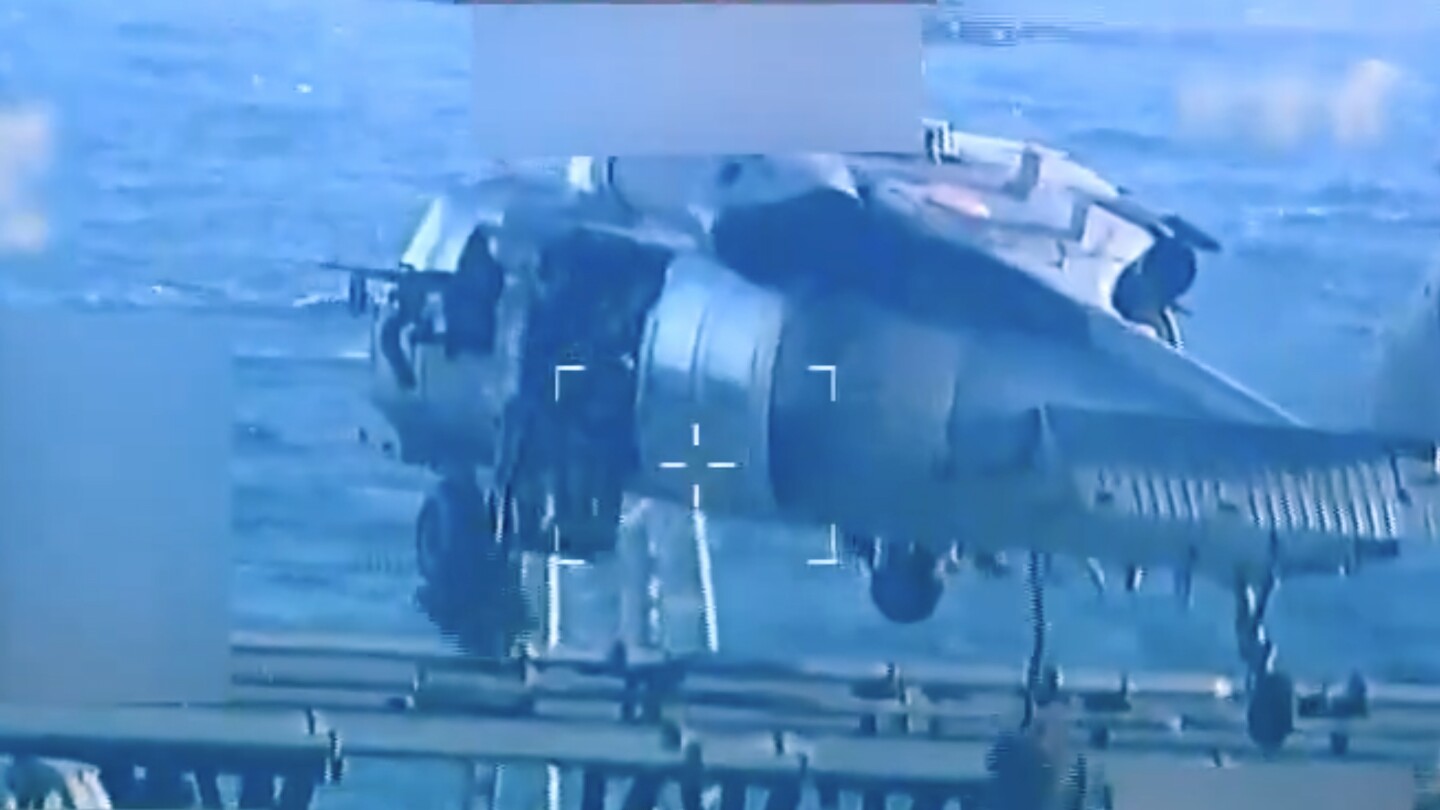
In a dramatic maritime operation, U.S. special forces descended via helicopter ropes to seize the 332-meter oil tanker Skipper near the Venezuelan coast. The vessel had been digitally manipulating its location transponder to conceal its true position, falsely appearing to navigate near Guyana while actually operating 360 nautical miles northwest in Venezuelan waters. This seizure represents a significant escalation in U.S. efforts to disrupt illicit oil smuggling networks that sustain sanctioned regimes.
The Skipper carried approximately 2 million barrels of Venezuelan heavy crude valued at tens of millions of dollars, with about half belonging to a Cuban state-run importer according to documents from Venezuela’s state-owned PDVSA. The tanker had been sanctioned since November 2022 for its alleged role in smuggling crude for Iran’s Revolutionary Guard and Lebanon’s Hezbollah militant group.
Maritime intelligence analysts identify the Skipper as part of a ‘dark fleet’ of approximately 30 sanctioned tankers operating near Venezuela. These vessels typically disable or spoof their automated identification systems, operate under false flags, and transfer cargoes at sea to obscure origins. Many are barely seaworthy, uninsured, and registered to shell companies.
The operation signals a potential turning point in maritime enforcement against sanctions evasion. ‘These are very risk-tolerant operators, but even they don’t want to lose a hull,’ noted Claire Jungman of Vortexa analytics firm. ‘A physical seizure represents an entirely different category of risk.’
Venezuelan President Nicolás Maduro condemned the seizure as ‘international piracy,’ claiming the crew had been kidnapped. Meanwhile, U.S.-backed opposition leader Maria Corina Machado applauded the action, asserting that oil revenues fund repression rather than addressing Venezuela’s humanitarian crisis.
Experts suggest this intervention may foreshadow broader U.S. efforts to implement an oil blockade against Venezuela, though concerns remain about potential impacts on global oil prices and the strategic balancing of enforcement actions.