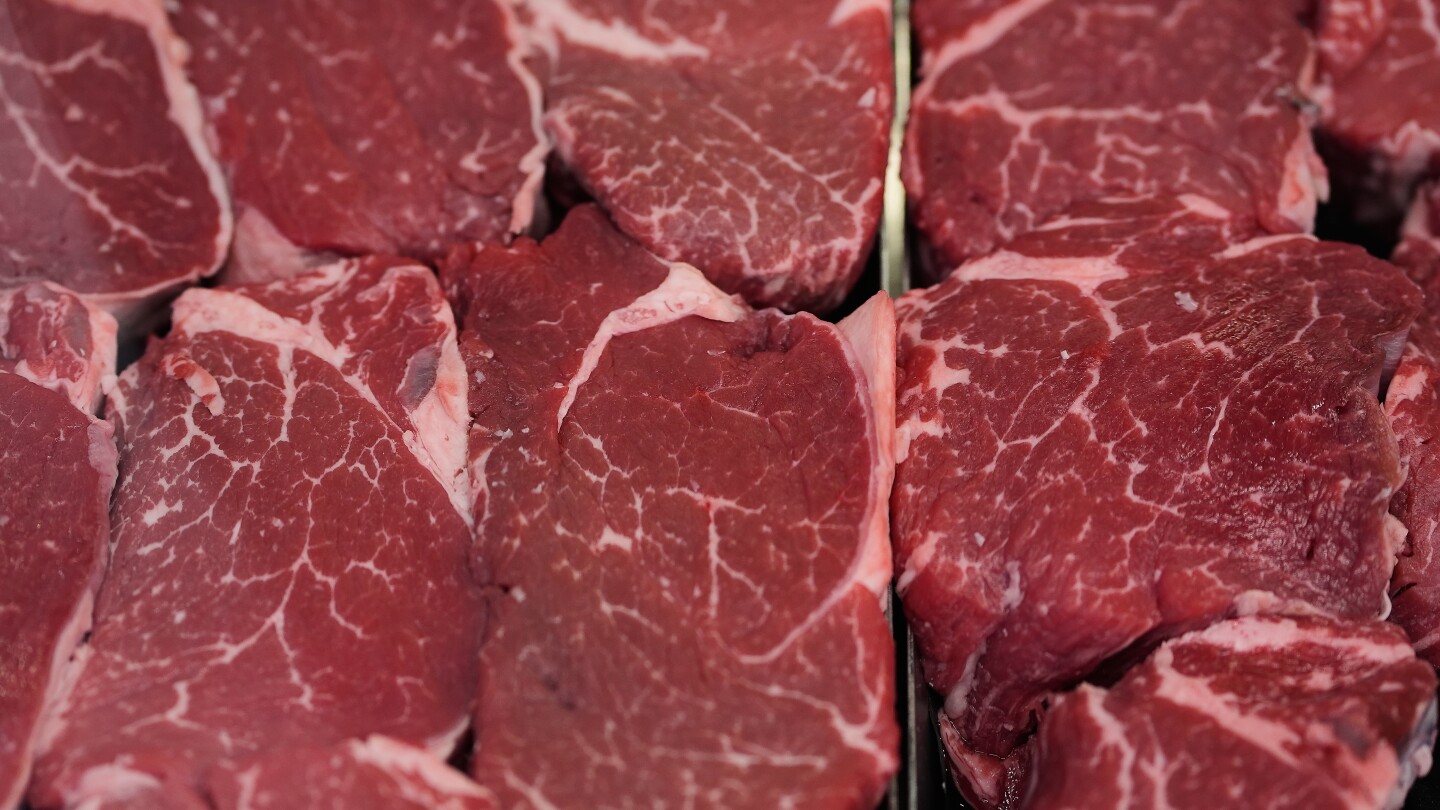
President Donald Trump’s proposal to lower record-high beef prices by increasing imports from Argentina has sparked significant opposition from U.S. ranchers and skepticism from agricultural economists. The plan, intended to make beef more affordable for American consumers, is being criticized by key industry groups, including the National Cattlemen’s Beef Association and the Ranchers-Cattlemen Action Legal Fund United Stockgrowers of America, who argue it could harm domestic producers. Despite Trump’s ‘America First’ rhetoric, critics liken the move to past free trade policies that prioritized cheap global goods over domestic interests. Agricultural experts also question the plan’s effectiveness, noting that Argentine beef accounts for only 2% of U.S. imports, and doubling this figure would have minimal impact on prices. Meanwhile, U.S. beef prices remain high due to strong demand, a shrinking cattle herd, and reduced imports from Brazil and Mexico. Ranchers, who are finally experiencing profitable years after enduring droughts and low prices, fear the policy could destabilize the market and discourage investment in herd expansion. While Argentine producers welcome the opportunity to increase exports, economists warn that excessive exports could drive up domestic prices in Argentina. The administration has promised further details on the plan, emphasizing its commitment to supporting ranchers and reducing consumer costs, but many remain skeptical of its long-term viability.
US ranchers oppose Trump’s plan to import more Argentine beef and experts doubt it will lower prices