A complex geopolitical realignment is underway across Latin America as US political pressure creates openings for expanded Israeli influence, though historical solidarity with Palestine persists despite these shifting dynamics, regional specialists reveal.
Left-leaning governments continue anchoring their foreign policy in anti-imperialist and decolonial principles, maintaining symbolic and substantive support for Palestinian rights. During Israel’s military operations in Gaza, Brazil’s President Lula da Silva characterized the offensive as genocide, Colombia severed diplomatic ties with Israel, and Chile pursued accountability through international legal channels.
However, extensive US lobbying efforts, direct threats against regional leadership, and the recent seizure of Venezuelan President Nicolás Maduro indicate coordinated pressure to align Latin American nations more closely with Israeli interests. According to Latin American affairs expert Ali Farhat, regional states’ limited hard power capabilities constrain their responses to Washington’s influence campaigns.
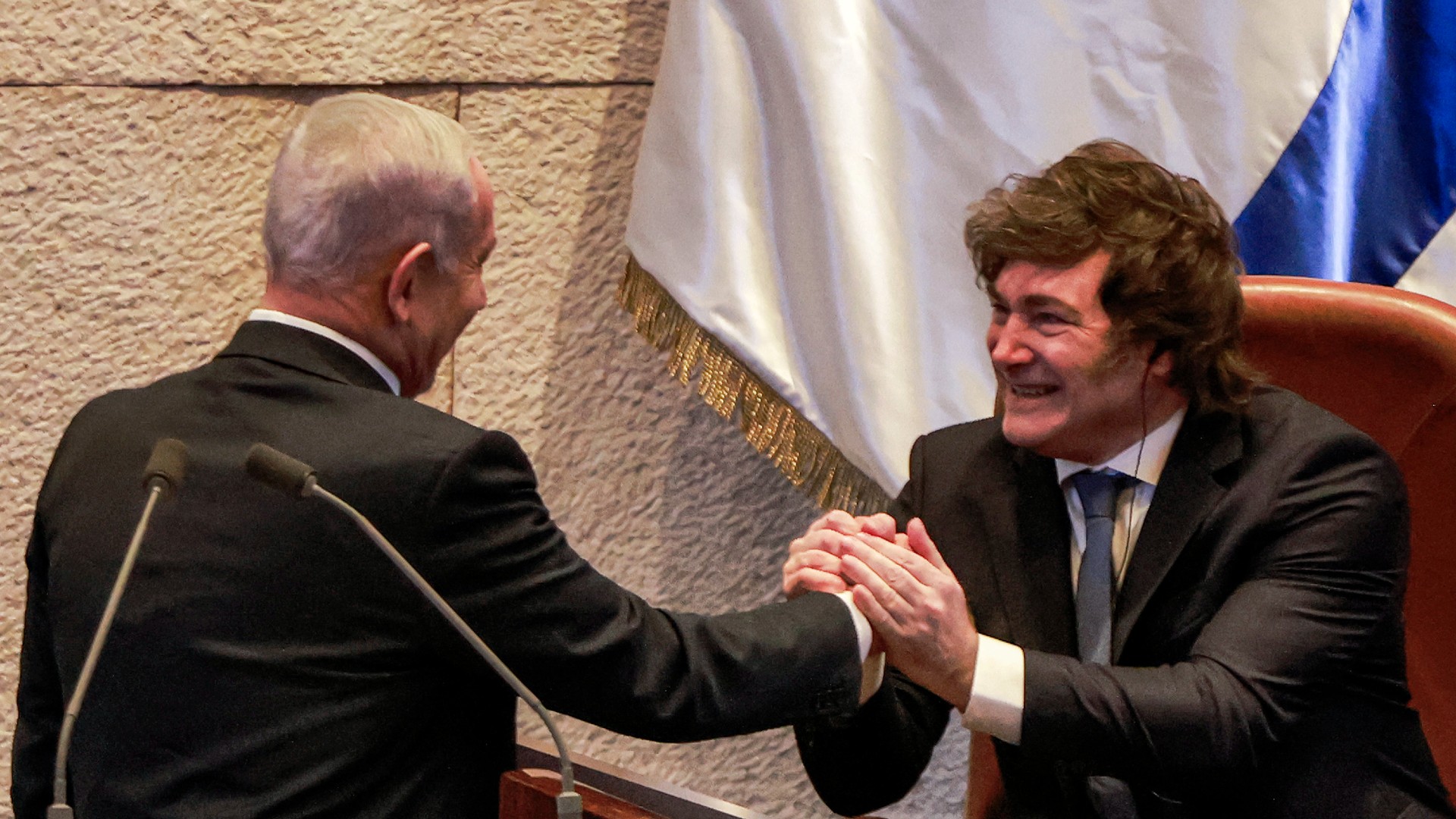
This pressure has yielded tangible results: Argentina’s far-right President Javier Milei has announced plans to relocate Argentina’s embassy to Jerusalem while deepening security and economic cooperation with Israel, following an unprecedented $20 billion US bailout. Meanwhile, Venezuela’s Maduro—previously among Palestine’s most uncompromising regional defenders—faces sustained international legal pressure that Farhat characterizes as emblematic of broader efforts to marginalize vocal Palestinian supporters.
Despite these pressures, left-leaning leaders are recalibrating rather than retreating from their positions. Colombia’s Gustavo Petro and Brazil’s Lula attempt to balance condemnation of Israeli actions with pragmatic diplomacy aware of potential economic repercussions. This caution represents strategic adaptation rather than surrender, particularly in regions lacking credible deterrence against US overreach.
The resurgence of far-right governments accelerates alignment with US and Israeli priorities, with Argentina becoming the only Latin American nation joining Trump’s controversial Board of Peace initiative. Brazilian Congressman Nilto Tatto warns that Washington-managed frameworks risk reproducing hegemony under international guise rather than genuinely promoting peace.
Former Argentine parliamentarian Julia Perie interprets Argentina’s position as reflecting broader ideological realignment rather than targeted anti-Palestinian sentiment, noting that support for Palestine has historically fluctuated in cyclical patterns. Observers note that advocacy is increasingly channeled through legal avenues, multilateral institutions, and popular movements rather than overt diplomatic confrontation.
Ramon Medero of Venezuela’s La Danta TV describes current dynamics as representing adaptation rather retreat, with the Palestinian cause becoming structurally embedded within broader Global South struggles against colonial domination. Despite far-right advances, grassroots mobilization may intensify as documentation of Gaza atrocities awakens global popular consciousness, converging Latin American and Palestinian liberation struggles against shared adversaries.