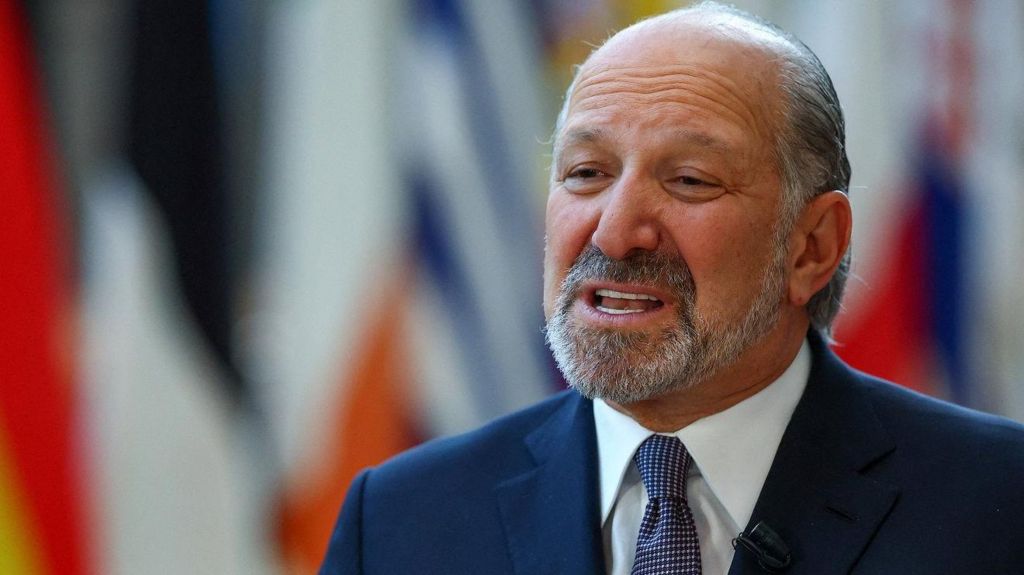
US Commerce Secretary Howard Lutnick has emphasized the necessity for Europe to ‘reconsider’ its digital regulations if it seeks reduced tariff rates on its steel and aluminium exports to the United States. This statement was made during ongoing discussions between US and European Union officials in Brussels, aimed at reviewing the trade framework established in July. The initial agreement had set US tariffs on European products at 15%, a reduction from previously threatened rates, in exchange for European investment commitments and increased access for American agricultural products. However, disagreements persist over certain aspects of the deal. European officials had anticipated tariff relief for their metals exports, but the US continues to impose a 50% duty and has expanded the range of affected products. Additionally, Europe is seeking exemptions for items like wine, cheese, and pasta, similar to recent concessions granted for tropical fruit and coffee by the Trump administration. US Trade Representative Jamieson Greer highlighted that the US expects Europe to fulfill its promises of lowering tariffs on American goods before considering further exemptions. Both Greer and Lutnick stressed that US concessions on metals tariffs are contingent upon European adjustments to its digital regulations. Lutnick, in an interview with Bloomberg Television, underscored the importance of Europe understanding US digital companies and revising its regulations to be more accommodating. The US has consistently argued that Europe’s digital service taxes unfairly target American firms. US companies have also expressed dissatisfaction with the EU’s Digital Markets Act, which aims to enhance competition by imposing rules such as requiring Apple to ensure iPhone compatibility with third-party devices. While many tech firms had hoped for stronger advocacy from the Trump administration against these regulations, the Biden administration has largely left such disputes to the companies involved. European officials, including Trade Commissioner Maroš Šefčovič, have maintained that their digital rules are non-negotiable and not discriminatory against American companies.