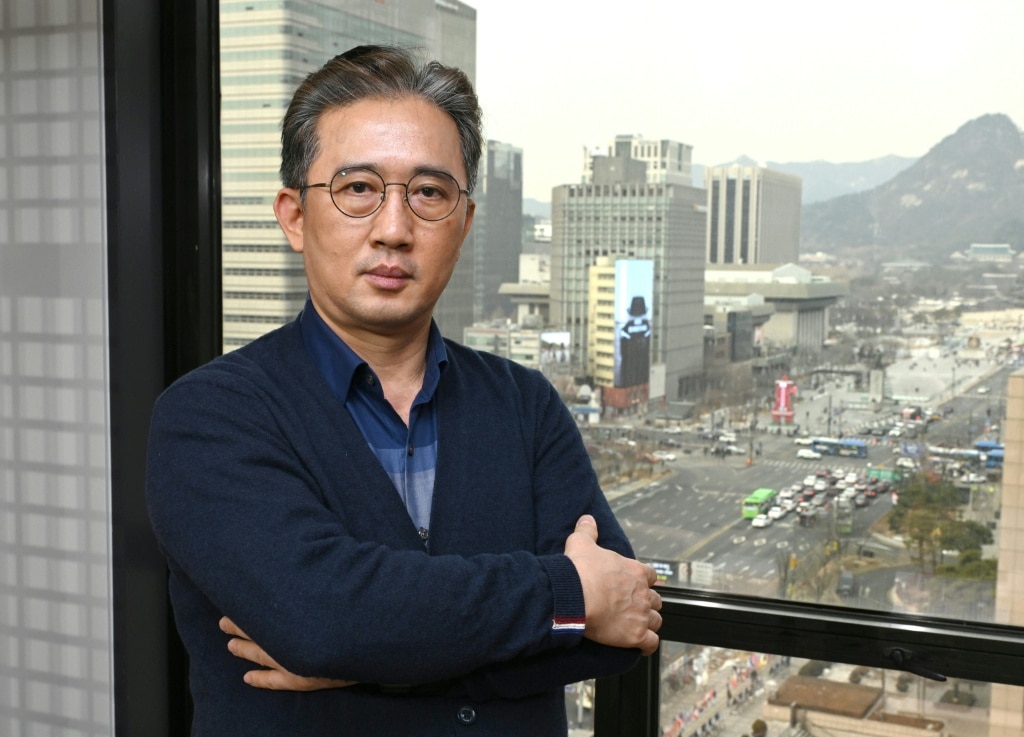
The recent US-led operation that unseated Venezuelan leader Nicolas Maduro has created profound security anxieties within North Korea’s highest echelons, according to Lee Il-kyu, a former senior Pyongyang diplomat who defected to South Korea. In an exclusive interview with AFP, Lee revealed that Kim Jong Un likely perceives himself as vulnerable to similar ‘decapitation’ tactics following the dramatic events in Caracas.
Lee, who served as North Korea’s political counselor in Cuba from 2019 until his defection in November 2023, described the Venezuelan operation as Kim’s ‘worst-case scenario’ becoming reality. ‘Kim must have felt that a so-called decapitation operation is actually possible,’ stated Lee, who now works for a Seoul-based think tank. This development is expected to trigger comprehensive security overhauls within North Korea’s paranoid leadership structure.
The former diplomat possesses unique insights into Pyongyang’s international operations, having played instrumental roles in high-stakes negotiations including the release of a North Korean vessel detained in Panama in 2013—an achievement that earned him personal commendation from Kim Jong Un. His final assignment involved attempting to prevent Cuba from establishing diplomatic relations with South Korea, a mission that ultimately failed.
Lee’s defection story reads like a geopolitical thriller. His breaking point came after being denied professional opportunities for refusing to bribe a superior. ‘I was fed up,’ he confessed to AFP. The actual escape nearly ended in tragedy when Lee and his family found themselves trapped at a Central American airport, facing forced repatriation to Venezuela—a certain death sentence. Their salvation came only through the dramatic intervention of South Korean diplomats who secured their protection.
Now settled in South Korea, the 53-year-old defector has become an outspoken commentator on North Korean affairs, publishing a memoir titled ‘The Kim Jong Un I Witnessed’ with an English version forthcoming. He has also emerged as a vocal advocate for two North Korean prisoners of war currently held in Ukraine, part of Pyongyang’s contingent supporting Russian forces. Lee urgently appeals for their transfer to South Korea, warning that repatriation would mean certain torture and execution.
Lee’s perspective on South Korea’s recent political turbulence—including President Yoon Suk Yeol’s impeachment and the subsequent election of progressive leader Lee Jae Myung—has deepened his appreciation for democratic resilience. ‘South Korea went months without a president following impeachment, yet the system worked very well,’ he observed, contrasting this with North Korea’s deified leadership structure where such popular accountability remains unimaginable.