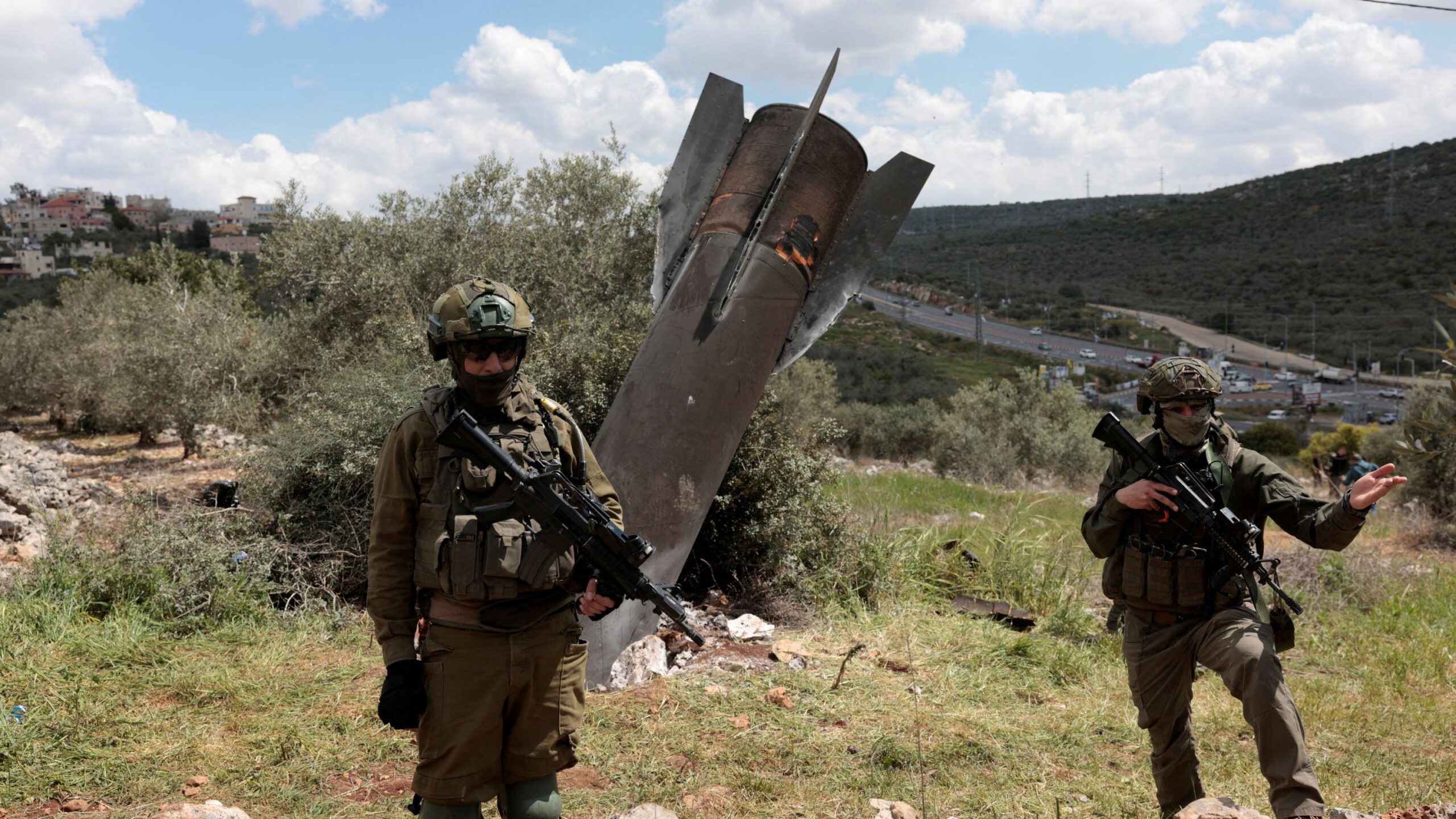
A confidential US intelligence assessment has revealed that American and Israeli forces have successfully destroyed only approximately one-third of Iran’s missile inventory, contradicting President Donald Trump’s public claims of near-total military success. According to five sources with knowledge of the intelligence who spoke with Reuters, the status of an additional third remains uncertain, though these missiles may have been damaged, destroyed, or buried in underground facilities during the ongoing month-long assault. Iran’s drone capabilities have similarly been reduced by about a third.
The assessment indicates Tehran maintains substantial retaliatory capacity despite the sustained campaign. This evaluation stands in stark contrast to President Trump’s remarks during a Thursday cabinet meeting, where he asserted 99 percent destruction of Iranian missiles while discussing strategic options for the Strait of Hormuz. He justified continued action by stating that even one percent remaining capability posed an unacceptable risk to naval assets.
US Central Command has declined to provide specific damage assessments, while Israeli military officials disclosed that Iran possessed approximately 2,500 ballistic missiles capable of reaching Israel before hostilities began. A senior Israeli official claimed 335 missile launchers (representing 70% of Iran’s launch capacity) have been neutralized.
The campaign has come at significant logistical cost. Officials warn that US and Israeli forces are rapidly depleting their missile inventories, with The Washington Post reporting over 850 Tomahawk cruise missiles fired within four weeks—a concerning rate given annual production numbers in the hundreds. Pentagon stockpiles in the Middle East are reportedly ‘alarmingly low.’
Despite these constraints, Axios reported Thursday that the Department of Defense is drafting plans for a ‘final blow’ involving ground troops and massive bombing campaigns. Potential strategies include invading or blockading Kharg Island (source of 90% of Iran’s oil exports), seizing strategic islands like Larak near Qeshm Island, or occupying disputed territories like Abu Musa and the Tunb islands claimed by the United Arab Emirates. Additional options under consideration involve seizing Iranian oil tankers transiting the Strait of Hormuz.