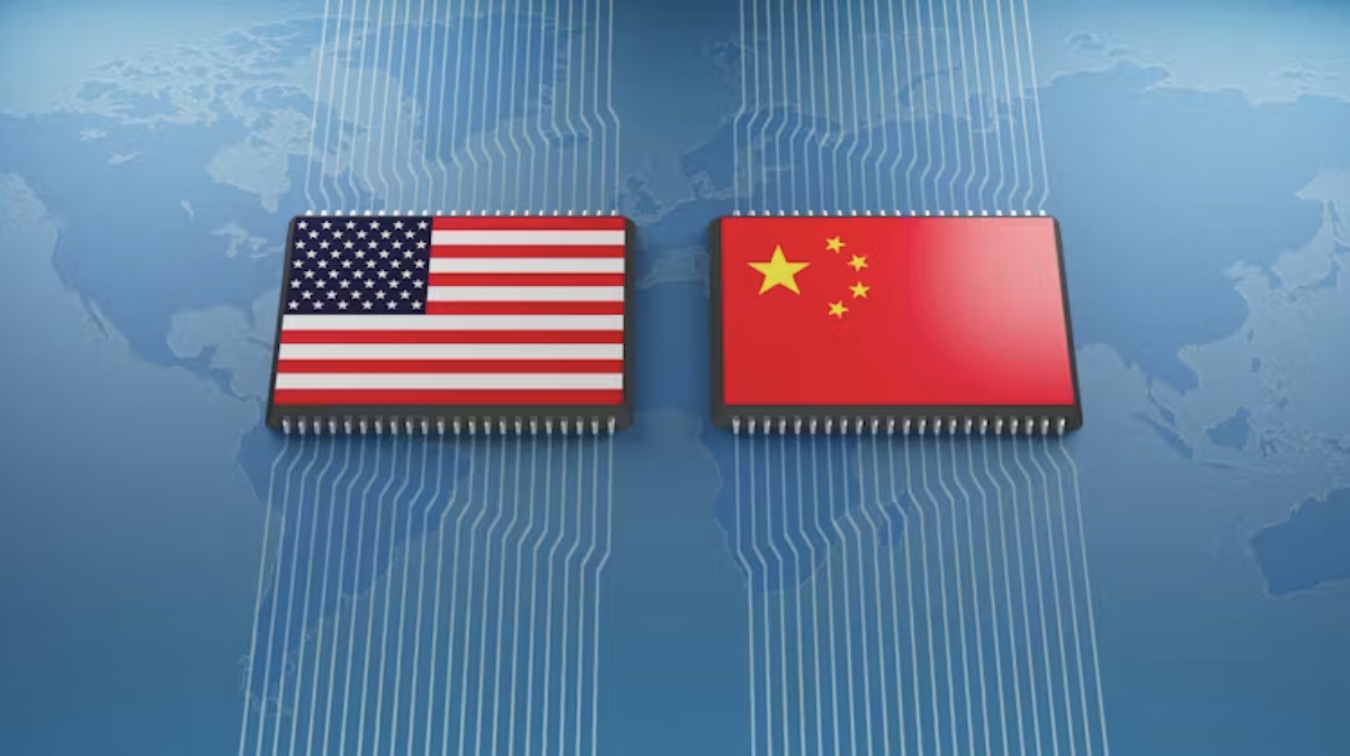
The United States is actively pursuing economic decoupling from China, implementing measures such as increased tariffs on Chinese goods, restrictions on advanced technology exports, and subsidies to bolster domestic manufacturing. This strategy aims to reduce reliance on China for critical products and safeguard US intellectual property from theft, particularly state-sponsored cyber-economic espionage. Former US Trade Representative Katherine Tai emphasized that China-specific tariffs were intended to counter harmful cyber intrusions and theft, echoing earlier Trump administration efforts to address intellectual property theft. However, the effectiveness of decoupling in protecting US innovations remains questionable. Political scientist William Akoto, who specializes in state-sponsored cyberespionage, argues that decoupling may not deter cyber theft and could even exacerbate it. His research highlights that industrial similarity, rather than reliance, drives cyberespionage. Countries with overlapping advanced industries, such as aerospace and electronics, are more likely to target each other with cyberattacks due to intense competition. For instance, the 2012 cyberattack on US solar panel manufacturer SolarWorld, attributed to Chinese entities, exemplifies this dynamic. Cutting trade ties does not eliminate technological rivalry; instead, it may intensify espionage efforts. Historical examples, such as South Africa’s covert acquisition of nuclear technology under sanctions and Israel’s clandestine military tech efforts during embargoes, illustrate how isolation can fuel desperation. To mitigate cyberespionage, Akoto suggests investing in cyber defense, building resilience, and accelerating innovation. Strengthening network security, training employees against phishing, and adopting robust encryption can make hacking attempts less successful. Additionally, businesses can focus on faster product development cycles to stay ahead of competitors. Rather than relying on tariffs and export bans as solutions, US leaders should prioritize resilience and stress-test cybersecurity measures to make espionage less rewarding for adversaries.