The United States military has intensified its maritime counter-narcotics operations with a recent lethal strike in the eastern Pacific Ocean, resulting in two fatalities. This latest engagement brings the total number of vessel strikes to 30 and casualties to at least 107 since the campaign’s initiation in early September, according to official figures released by the Trump administration.
U.S. Southern Command publicly announced the operation through social media channels, asserting that the targeted vessel was actively participating in narco-trafficking activities. While visual evidence circulated online depicts a marine craft being destroyed by dual explosions, specific operational evidence supporting the trafficking allegations remains undisclosed.
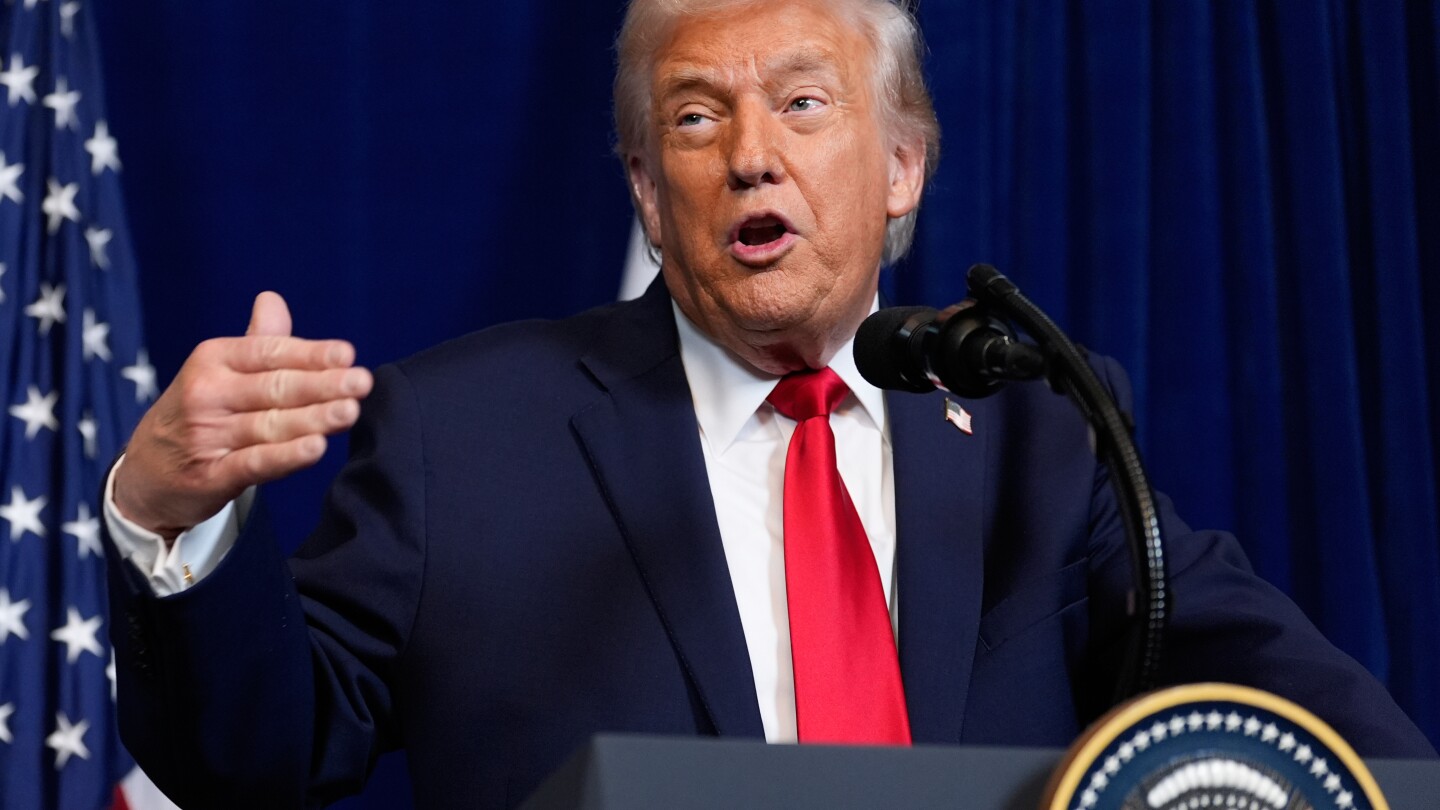
President Donald Trump characterized these aggressive measures as essential components of America’s intensified efforts to disrupt drug smuggling networks, explicitly framing the situation as an ‘armed conflict’ against international cartels. The administration’s strategic approach extends beyond maritime strikes, encompassing increased military deployment throughout the region as part of a comprehensive pressure campaign targeting Venezuelan leadership.
During a press briefing alongside Israeli Prime Minister Benjamin Netanyahu in Florida, Trump referenced ‘a major explosion in the dock area’ where drug-loading operations allegedly occur, though neither the White House nor Pentagon officials provided additional operational specifics.
The administration’s multidimensional strategy has included December’s seizure of two sanctioned oil tankers near Venezuelan waters and pursuit of a third vessel, resulting in redirected shipping patterns away from the South American nation. Venezuelan President Nicolás Maduro, facing U.S. narcoterrorism charges, maintains that Washington’s true objective remains regime change.
This aggressive tactical approach has drawn congressional scrutiny, particularly following revelations that early September operations included secondary strikes that eliminated two survivors clinging to vessel wreckage from initial engagements.