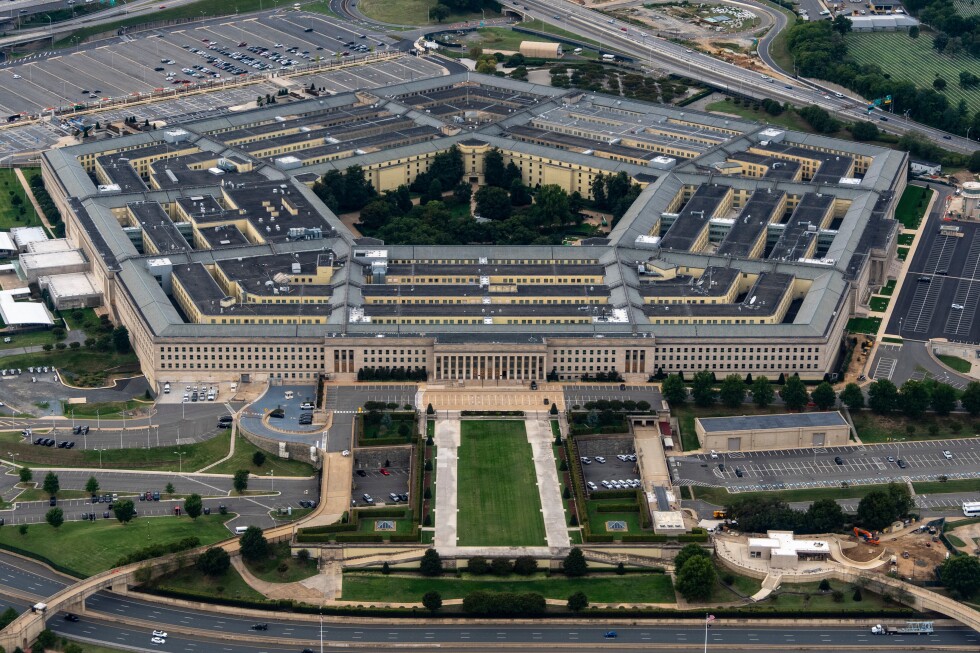
In a significant maritime enforcement operation, U.S. military personnel have boarded the Aquila II, a sanctioned oil tanker, in the Indian Ocean after tracking the vessel’s movements from the Caribbean Sea. The Pentagon confirmed the intervention on Monday, characterizing it as a “right-of-visit, maritime interdiction” against a vessel operating in defiance of established sanctions.
The Aquila II, a Panamanian-flagged tanker under U.S. sanctions for transporting illicit Russian oil, has been monitored by authorities for its suspicious activities. According to maritime tracking experts, the vessel employed ‘running dark’ tactics—deliberately disabling its radio transponder—to conceal its location throughout much of the past year. Owned by a Hong Kong-registered company, the tanker was one of at least 16 vessels that departed Venezuela’s coast following the U.S. capture of then-President Nicolás Maduro last month.
While the Pentagon’s statement did not explicitly connect the operation to Venezuela, the context suggests broader efforts to enforce oil sanctions. The Trump administration has intensified measures to control Venezuela’s oil production, refining, and global distribution since Maduro’s ouster in a January 3rd raid. U.S. officials view vessel seizures as both an enforcement mechanism and potential revenue source for rebuilding Venezuela’s devastated oil industry and economy.
Current data indicates the Aquila II was not carrying crude oil at the time of interception, unlike previous tanker seizures linked to Venezuelan oil smuggling operations. The operation also aligns with broader U.S. efforts to restrict oil flows to Cuba, which relies heavily on shipments from Venezuela, Russia, and Mexico. President Trump recently signed an executive order imposing tariffs on countries supplying oil to Cuba, significantly impacting Mexico’s role as Cuba’s petroleum lifeline.