WASHINGTON — The annual Munich Security Conference, traditionally a showcase of American diplomatic leadership, instead revealed a nation grappling with profound internal divisions as U.S. lawmakers arrived with diminished authority and conflicting messages. The event, which has served for six decades as a cornerstone of international security cooperation, was marked by canceled delegations, bipartisan tensions, and competing narratives about America’s global role.
House Speaker Mike Johnson’s last-minute cancellation of an official congressional delegation forced approximately two dozen representatives to either secure independent travel arrangements or abandon the trip entirely. While bipartisan Senate delegations managed to attend, their departure from Washington coincided with intense political battles over immigration enforcement tactics and a controversial Justice Department probe into six Democratic lawmakers.
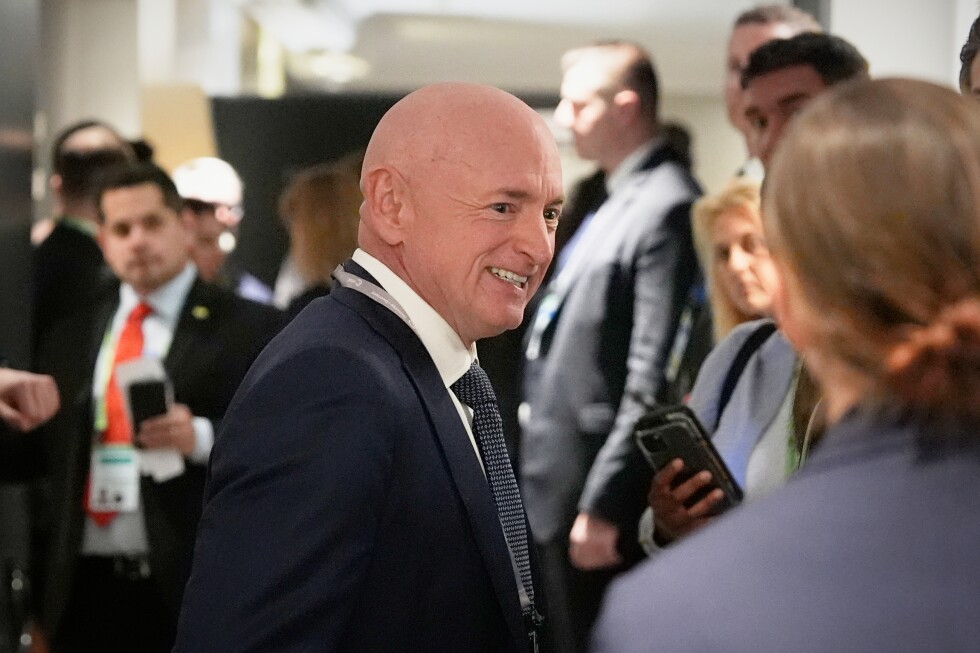
Arizona Senator Mark Kelly, himself subject to the recent investigation, characterized the atmosphere as ‘depressing’ given domestic circumstances. The conference became an arena for contrasting visions of American foreign policy, with some participants attempting to reassure European allies while others championed the Trump administration’s disruptive approach to international relations.
Republican Senator Lindsey Graham presented an unapologetic defense of President Trump’s policies, advocating for increased pressure on Iran and Russia while suggesting traditional Western alliances required restructuring. Meanwhile, Democratic Senator Chris Coons of Delaware anticipated ‘challenging conversations’ with allies concerned about authoritarian tendencies in U.S. law enforcement practices.
The conference also featured emerging voices like Democratic Representative Alexandria Ocasio-Cortez, who made her inaugural appearance to discuss populism’s rise and America’s evolving global responsibilities. She emphasized the need for renewed commitment to international values while acknowledging widespread frustration with establishment politics.
The diminished Republican participation and evident internal disagreements highlighted how domestic political crises are increasingly constraining America’s ability to project unified leadership on the global stage.