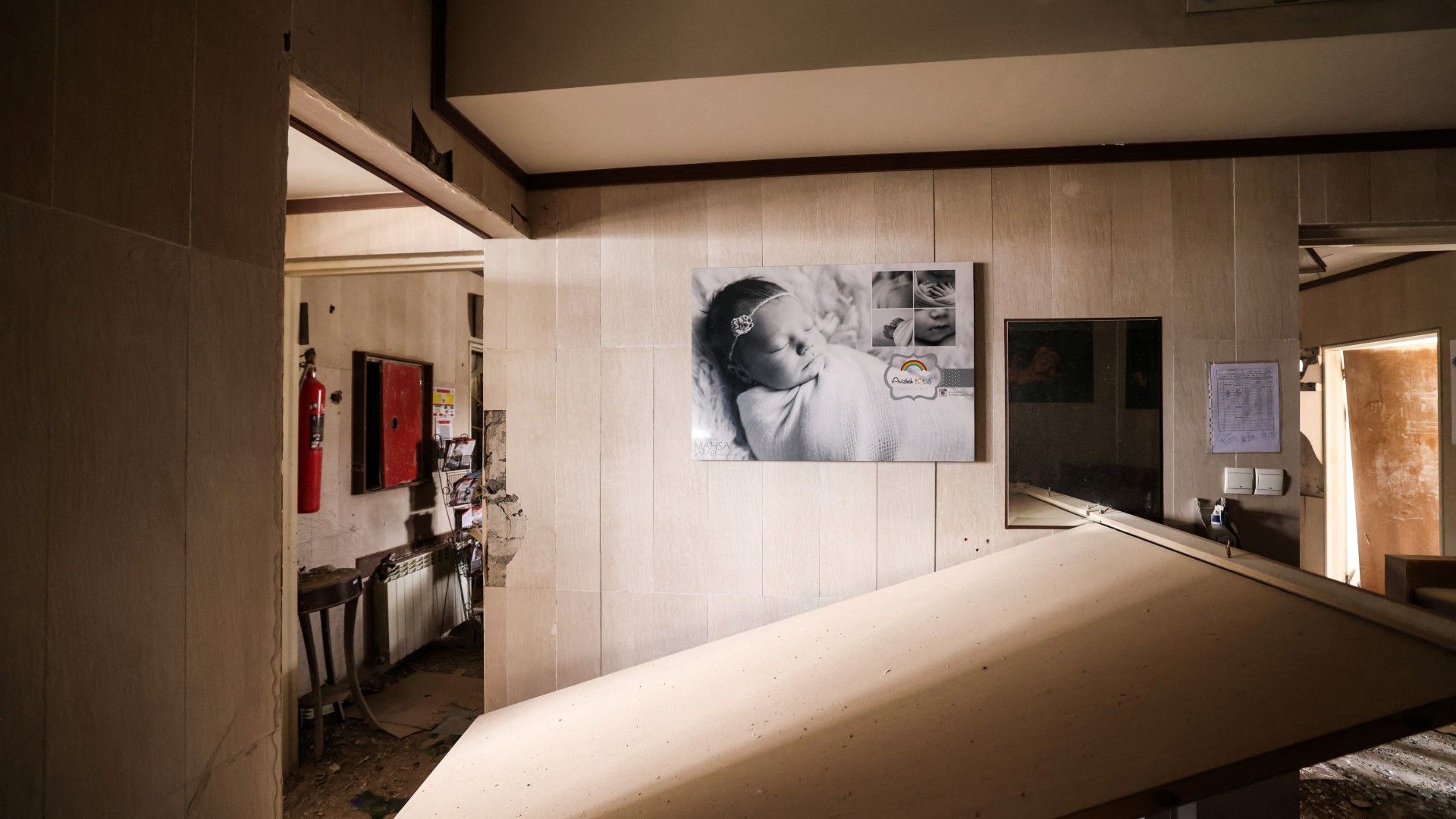
A devastating US-Israeli military offensive against Iran has resulted in catastrophic collateral damage to civilian infrastructure, with prominent hospitals, residential buildings, and cultural landmarks sustaining direct hits across more than 150 cities. The bombing campaign, purportedly targeting Iran’s military and nuclear facilities, has instead wrought havoc on civilian populations, with the Red Crescent Society reporting at least 787 fatalities to date.
At Tehran’s Ghandi Hospital, a renowned private medical center, a direct strike caused severe damage to its fertility clinic, destroying years of hope for couples undergoing IVF treatment. “After 10 years of trying, we finally had hope,” said Mohsen, whose embryos were stored at the clinic. His wife Firouzeh added: “We don’t know what happened to our samples. We don’t know if all these years of effort and hope are gone.
The hospital’s head, Mohammad Hassan Bani Asad, confirmed one staff member suffered serious brain bleeding requiring emergency surgery. Nurse Salmaz, who was on duty during the attack, described chaotic scenes: “The force threw me into the corner of my office. The building caught fire. Everyone was screaming and trying to escape. In those terrible moments, we were just trying to save the babies.”
Contrary to Israeli military claims of “minor and collateral damage,” medical authorities report at least 10 healthcare facilities have been struck nationwide. Mohammad Raiszadeh, head of Iran’s Medical Council, drew parallels to Israel’s attacks on Gaza hospitals, expressing skepticism about international intervention: “They showed during the Gaza tragedy that they cannot stop attacks on medical centers.”
The cultural destruction extended to Tehran’s Golestan Palace, a UNESCO World Heritage Site, which sustained significant damage. Residential areas have been particularly hard hit, with numerous apartment buildings completely flattened. Reza, a 42-year-old resident near Niloufar Square, described a five-story building reduced to rubble: “I don’t know how many people were killed there.”
As the bombing continues unabated, civilian anxiety reaches unprecedented levels. Negin, an eyewitness to an attack on Army Hospital, summarized the prevailing sentiment: “The explosions do not stop. Every moment I ask myself: will the next strike hit our home?”