In a dramatic escalation of Middle Eastern tensions, joint United States and Israeli military forces conducted targeted strikes against Iranian facilities on February 28. The offensive operation, authorized by US President Donald Trump, explicitly targeted Iran’s missile production infrastructure with declared objectives of crippling the nation’s defense capabilities.
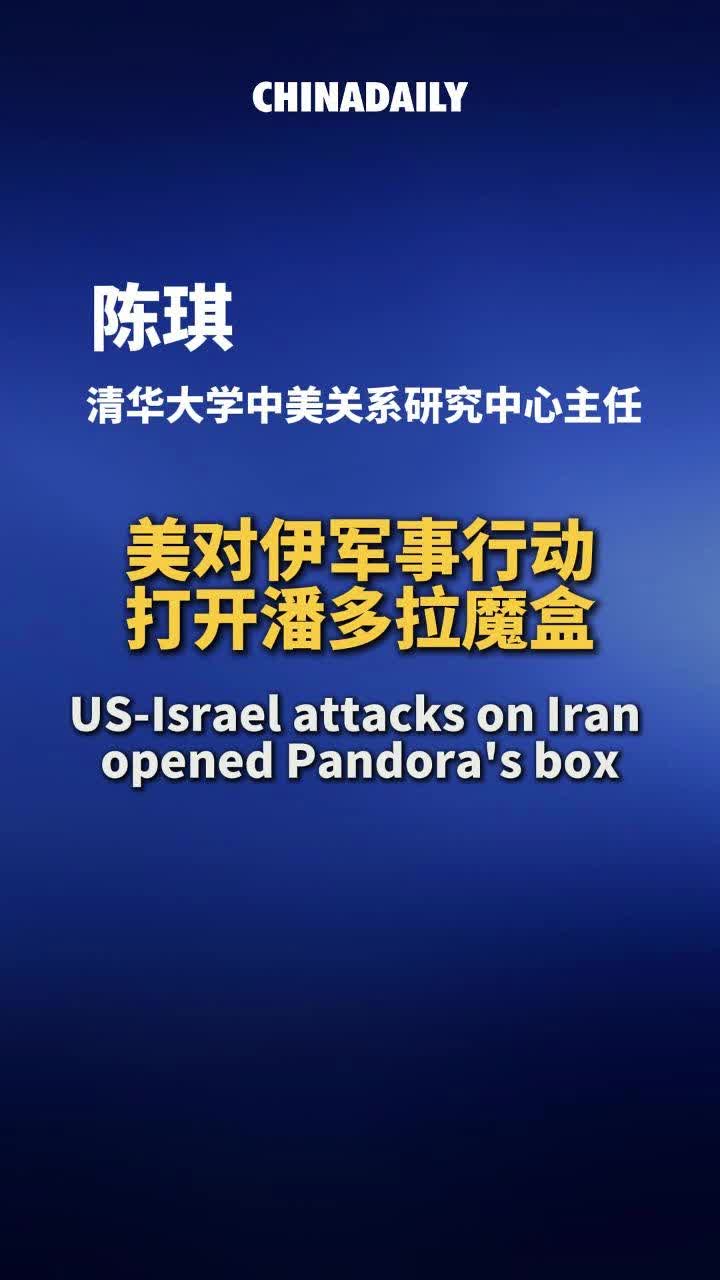
According to strategic analysis by Professor Chen Qi, Director of the Center for China-US Relations at Tsinghua University, these military actions signify the complete breakdown of preliminary diplomatic negotiations between Washington and Tehran. The professor contends that the offensive serves dual purposes: compelling Iranian concessions in future potential discussions while simultaneously diverting domestic attention from pressing political controversies, including the ongoing Epstein scandal, ahead of critical midterm elections.
The military engagement has effectively unleashed what experts characterize as a ‘Pandora’s Box’ of regional instability, with immediate repercussions already materializing. Initial reports indicate retaliatory missile strikes targeting the US military installation in Bahrain, resulting in significant casualties estimated at approximately 200 American personnel killed or wounded.
Strategic analysts project that subsequent developments will predominantly depend on Iran’s retaliatory capabilities and strategic decisions. Particularly concerning to global security experts is the potential closure of the Strait of Hormuz—a critical maritime choke point for international oil transportation. Such action could create politically unsustainable pressure on the Washington administration amid growing domestic scrutiny and escalating regional violence.