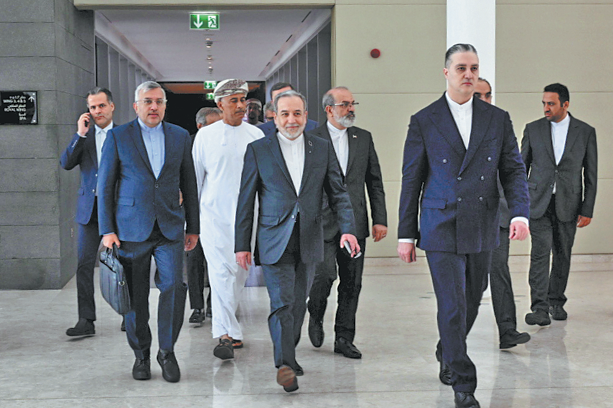
Despite diplomatic overtures described as ‘positive’ by both American and Iranian officials, substantive progress in nuclear negotiations remains elusive due to irreconcilable differences on fundamental issues, according to regional experts. The recent talks in Muscat, Oman—while creating a framework for continued dialogue—have revealed a significant chasm between Washington’s demands and Tehran’s non-negotiable red lines.
Iranian Foreign Minister Seyed Abbas Araghchi characterized the preliminary discussions as a constructive beginning but emphasized that rebuilding mutual trust would require considerable time. This cautious optimism was immediately tempered by his criticism of continued US military deployments and economic sanctions, which he stated ‘raise doubts about the other party’s seriousness and readiness to engage in genuine negotiations.’
The core disagreements center on three pivotal areas: Iran’s uranium enrichment activities, its ballistic missile program, and regional military partnerships. Tehran maintains that nuclear development for peaceful purposes represents an ‘inalienable right’ that cannot be relinquished, while simultaneously rejecting any discussion of its missile capabilities, which it characterizes as purely defensive. The United States, conversely, insists on comprehensive restrictions encompassing both nuclear and conventional military domains.
Professor Ding Long of Shanghai International Studies University observed that both nations are employing pressure-based strategies, enhancing military and economic leverage to strengthen their bargaining positions. ‘Both are adopting a hedging strategy in their negotiations, meaning that should talks break down, they can swiftly shift to military confrontation or even conflict,’ Ding noted.
Adding complexity to the diplomatic landscape, Israel has intensified its monitoring of the negotiations. Prime Minister Benjamin Netanyahu plans to visit Washington for consultations with US officials, with his office reiterating that any agreement must include restrictions on Iran’s missile program and cessation of support for regional militant groups.
Despite these challenges, regional actors generally oppose military confrontation, recognizing the devastating impact such conflict would have on Middle Eastern security and development. These nations are expected to continue facilitating dialogue in hopes of achieving a mutual non-aggression understanding between the two adversaries.