The fragile 14-day ceasefire between the United States and Iran is rapidly approaching its expiration deadline of Wednesday evening, leaving the future of diplomatic talks and security in the strategic Strait of Hormuz hanging in the balance. In recent public comments, former US President Donald Trump has cast severe doubt on the possibility of extending the truce, telling reporters that a prolonged ceasefire is “highly unlikely” and that military strikes would almost certainly resume if no new agreement is reached before the deadline.
Despite Trump’s tough public stance, US officials have signaled that Washington remains willing to keep diplomatic pathways open. According to a report from Axios, which cited unnamed US government sources, Vice President JD Vance—who led the first round of direct face-to-face negotiations between the two delegations—will depart for Islamabad by Tuesday to continue exploratory discussions. Trump has also offered a conditional opening to high-level engagement: in an interview with The Washington Post, he confirmed he would be willing to meet with top Iranian leaders if negotiators manage to secure a preliminary breakthrough on core issues, though he later noted to Bloomberg that his personal presence at working-level talks is not a necessary step at this stage.
Signals coming out of Tehran, however, remain deeply divided. Axios reported that Iran’s negotiating team received preliminary approval from the country’s supreme leadership on Monday night to continue talks with US representatives, but official government spokespeople have stopped short of publicly confirming Iran’s participation in a second round of negotiations.
Earlier on Monday, Iranian Foreign Ministry spokesperson Esmaeil Baghaei stated explicitly that Tehran currently has no scheduled plans for a second round of talks, arguing that recent US actions do nothing to demonstrate Washington’s commitment to a genuine diplomatic resolution. Iranian Foreign Minister Seyed Abbas Araghchi doubled down on this criticism on Monday, framing ongoing US “provocative actions” and repeated ceasefire violations as the single largest barrier to advancing peace talks between the two nations.
Speaking to The Washington Post on condition of anonymity, a senior Iranian official identified two core issues threatening the future of negotiations: the uncompromising tone of Trump’s public statements and the continuation of the US economic blockade on Iran. The official added that while negotiating teams from both sides have already reached broad agreement on the general outline of a potential deal, Trump’s public push for maximalist concessions risks derailing all progress that has been made so far.
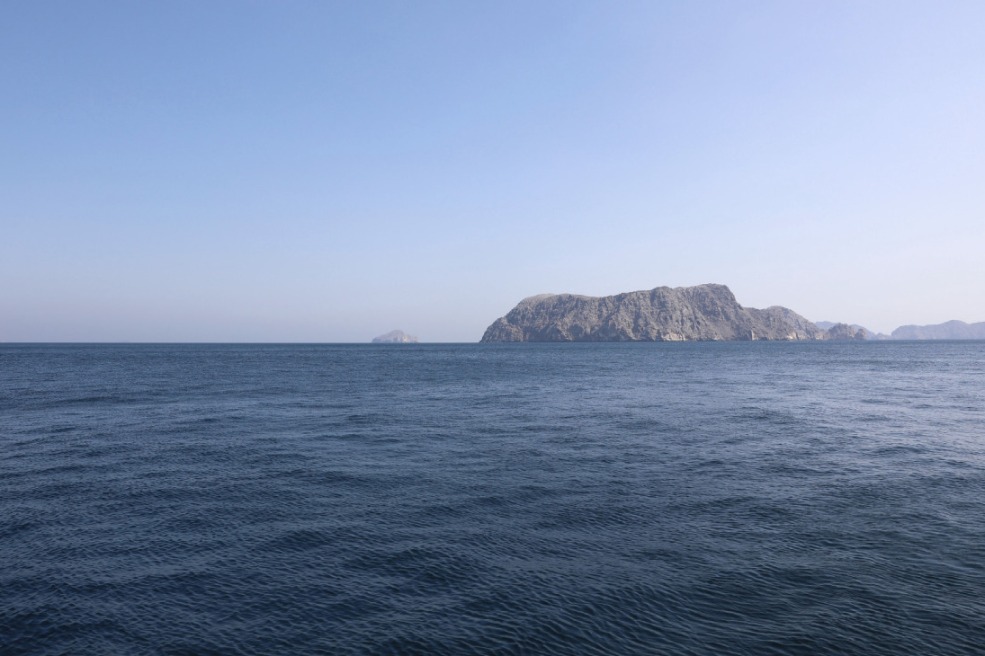
Tensions have spiked sharply in the Strait of Hormuz, the narrow strategic waterway that carries roughly one-fifth of all global oil trade, in the days leading up to the ceasefire expiration. Iran briefly reopened the strait to international shipping after the initial truce took effect, but reinstated new transit restrictions over the weekend after the US Navy seized an Iranian-flagged cargo ship that attempted to break the US-imposed blockade.
Trump doubled down on his hardline position on the strait in a recent phone interview, confirming that the waterway will remain blocked to commercial traffic until a comprehensive peace deal is finalized. “They want me to open it. The Iranians desperately want it opened. I’m not opening it until a deal is signed,” he said.
Even amid the escalating maritime standoff, small signs of domestic normalization are beginning to emerge in Iran. According to the semi-official Fars News Agency, Iran’s Civil Aviation Authority announced on Monday that the country’s two primary commercial airports—Tehran’s Imam Khomeini International Airport and Mehrabad International Airport—have resumed full passenger operations after weeks of closure due to open conflict. The original ceasefire was widely welcomed as a rare de-escalation of hostilities after more than seven weeks of active conflict between the two nations. The first round of talks, held in Islamabad earlier this month, failed to produce any substantive breakthrough, and both sides have exchanged sharp public criticism in the weeks since.