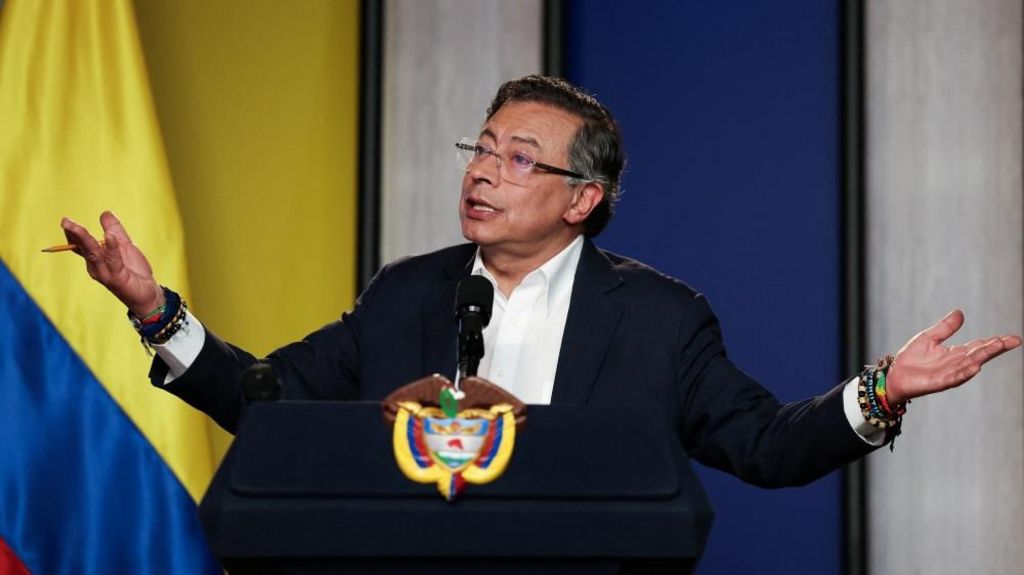
In a significant diplomatic escalation, the United States has imposed sanctions on Colombia’s left-wing President Gustavo Petro, accusing him of failing to combat drug trafficking effectively. US Treasury Secretary Scott Bessent stated that Petro has allowed drug cartels to thrive, leading to a surge in cocaine production that has ‘flooded the United States and poisoned Americans.’ Sanctions have also been levied against Colombia’s Interior Minister Armando Benedetti, Petro’s wife, and eldest son, freezing their US-based assets and properties. This move marks a sharp deterioration in relations between the two nations, which were once close allies in the war on drugs. Colombia previously received substantial military aid from the US, but tensions have escalated since former President Donald Trump returned to power. Petro, a former guerrilla leader, has vehemently denied the allegations, asserting on social media platform X that he has fought drug trafficking ‘for decades’ and aided the US in reducing cocaine consumption. He condemned the sanctions as a ‘complete paradox’ and vowed to stand firm. The US has also intensified military operations in the southern Caribbean, targeting vessels allegedly involved in drug trafficking, though evidence remains unsubstantiated. Trump recently suspended payments and subsidies to Colombia, further straining ties. Petro has criticized US airstrikes in the Caribbean as ‘acts of tyranny,’ accusing Washington of violating Colombian sovereignty. While sanctioning a head of state is rare, it is not unprecedented, with leaders from Russia, North Korea, and Venezuela previously facing similar measures.