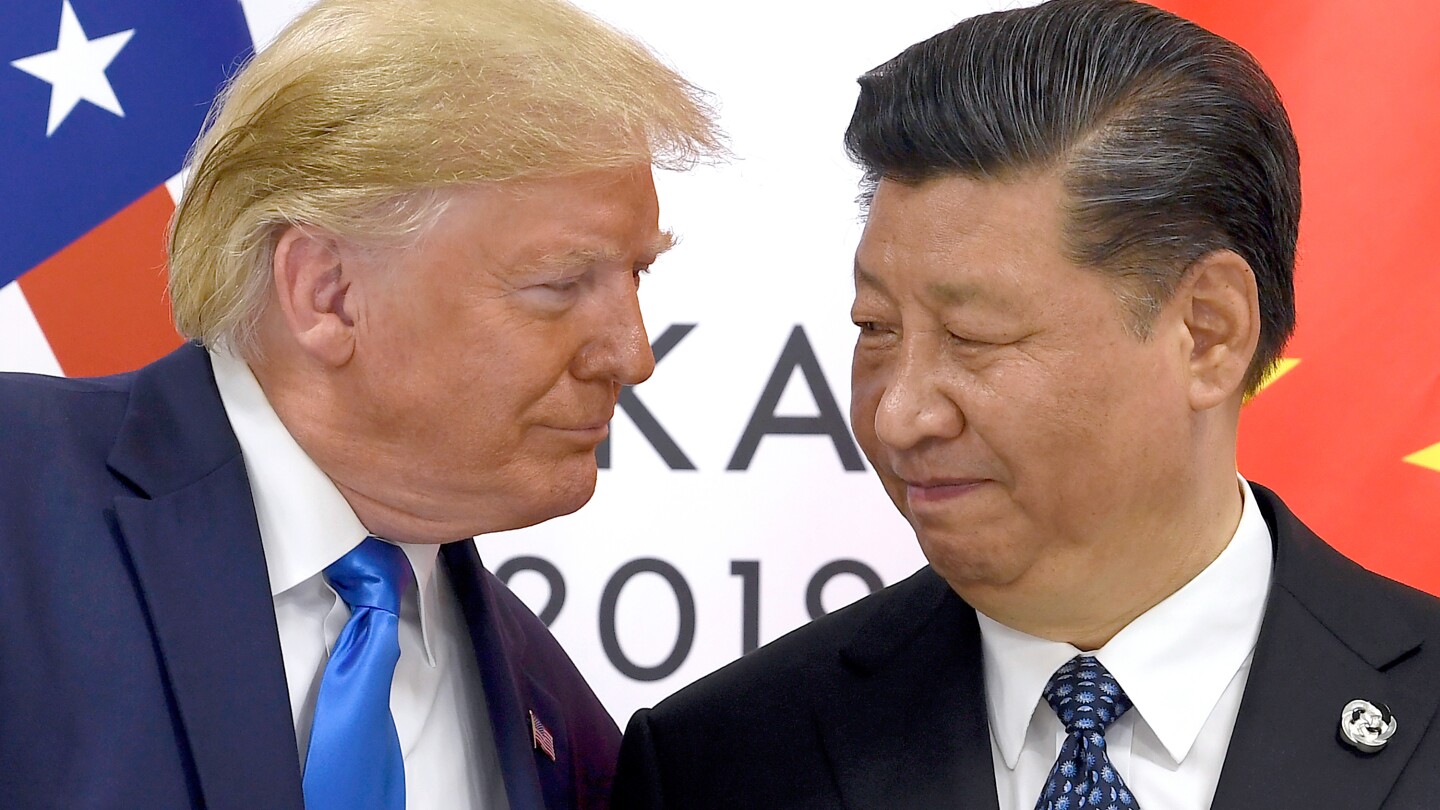
Since September last year, U.S. lawmakers have made four unsuccessful attempts to close a significant loophole allowing China to bypass export bans on advanced AI chips by renting them through U.S. cloud services. Despite bipartisan efforts, these proposals have been thwarted by extensive lobbying from tech companies and their trade associations, with over 100 lobbyists actively opposing the measures. The issue has become a focal point as U.S. President Donald Trump and Chinese President Xi Jinping prepare for a high-stakes meeting, with billions of dollars and technological dominance hanging in the balance. An Associated Press investigation reveals that, despite warnings about national security and human rights abuses, successive U.S. administrations have facilitated the sale of American technology to Chinese police, government agencies, and surveillance firms. For instance, in 2024, China purchased $20.7 billion worth of chipmaking equipment from U.S. companies, circumventing export controls. The tech industry’s immense lobbying power, coupled with political reluctance, has repeatedly undermined efforts to regulate these exports. Critics argue that this inaction has enabled China to strengthen its surveillance state, with American companies playing a pivotal role in its development. The AP’s findings highlight a complex interplay between economic interests, national security, and human rights concerns, raising questions about the U.S. government’s commitment to addressing these issues.
US government allowed and even helped US firms sell tech used for surveillance in China, AP finds