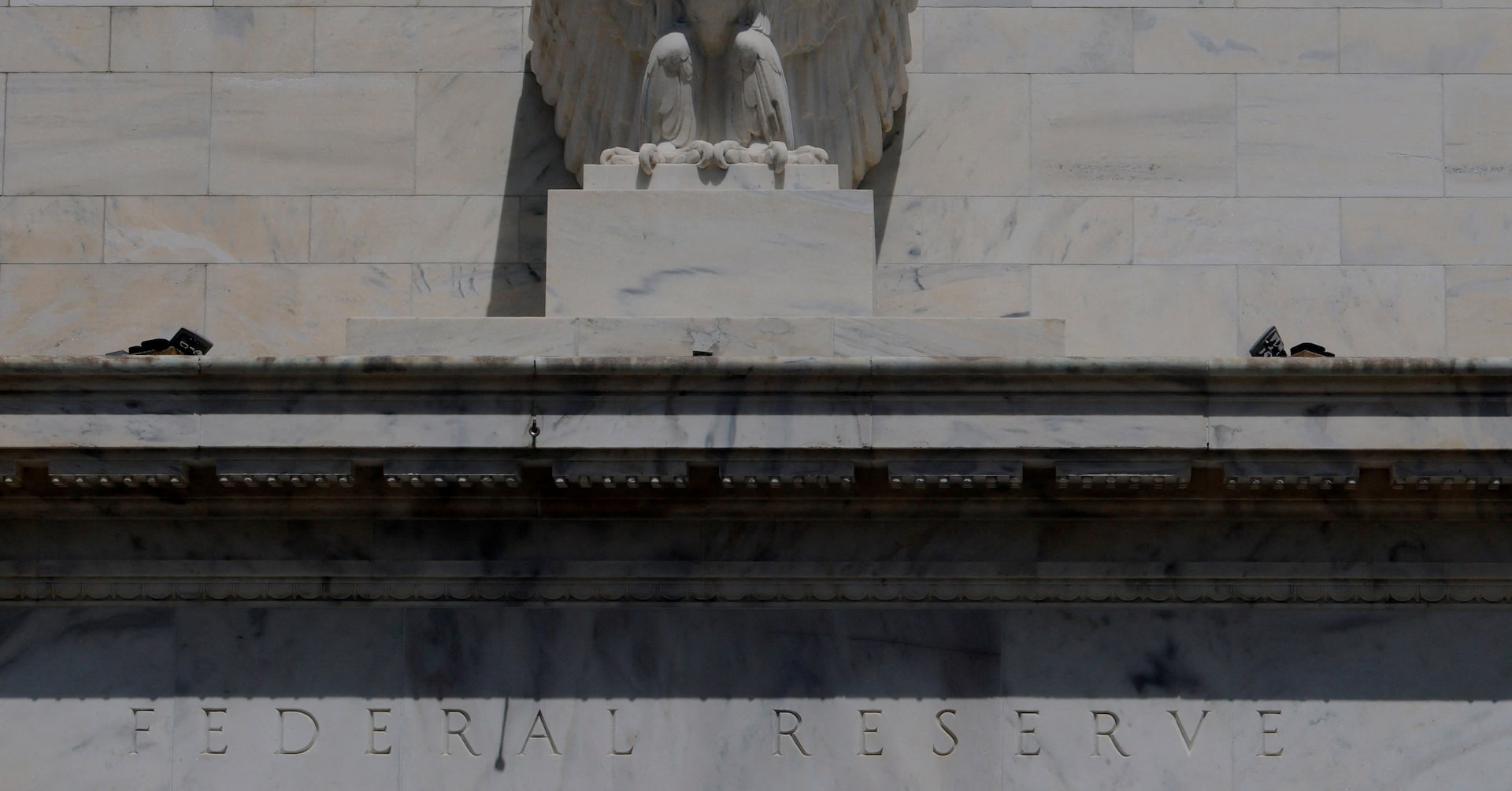
In a significant shift in monetary policy, the U.S. Federal Reserve has announced its first interest rate cut since December, marking a divergence from other major central banks that have opted to maintain their current rates. The decision comes amid a softening job market and signals potential further cuts in October and December. Fed Chair Jerome Powell emphasized that the job market’s condition is now a critical factor for policymakers. Meanwhile, U.S. President Donald Trump has initiated the dismissal of Federal Reserve Governor Lisa Cook over alleged improprieties in mortgage loan acquisitions. Newly sworn-in Fed Governor Stephen Miran cast the sole dissenting vote, advocating for a more aggressive 50 basis points cut. In contrast, the Bank of England kept its rates unchanged, with policymakers voting to slow the pace of unloading gilts purchased between 2009 and 2021. The Bank of Canada also reduced its key rate to a three-year low of 2.5%, citing a weak jobs market and reduced concerns about underlying price pressures. The Swiss National Bank, however, has maintained its key rate at 0%, with Chairman Martin Schlegel stating that the bar is high for a return to negative rates. The Reserve Bank of New Zealand is expected to cut rates further, with a Reuters poll indicating potential reductions by year-end. The European Central Bank has kept its key rate steady at 2%, with ECB chief Christine Lagarde noting that the bank remains in a ‘good place’ despite balanced economic risks. The Bank of Japan is anticipated to hold rates steady amid political uncertainty following Prime Minister Shigeru Ishiba’s resignation. These varied approaches reflect the complex global economic landscape, with central banks navigating inflation, growth, and employment challenges.