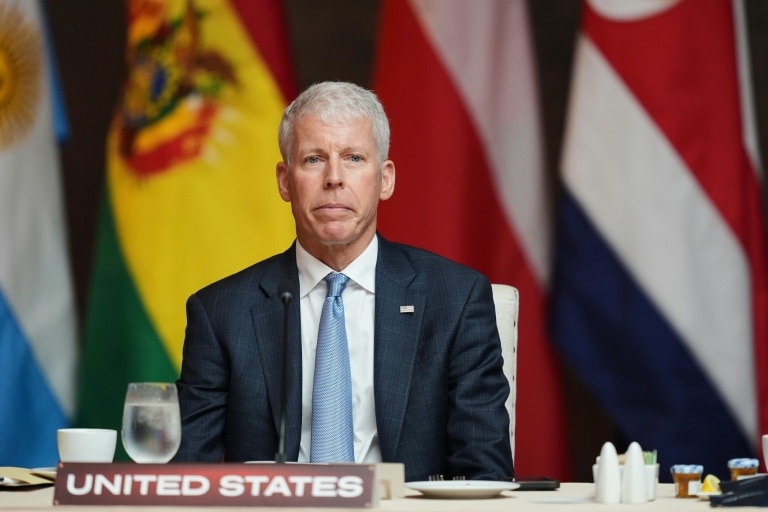
A brief social media post by US Energy Secretary Chris Wright claiming American naval forces had escorted an oil tanker through the volatile Strait of Hormuz triggered significant market turbulence before being abruptly deleted Tuesday. The unexplained deletion occurred mere minutes after publication, amplifying uncertainty in already jittery energy markets.
The incident unfolded against the backdrop of ongoing US-Israel military operations against Iran that commenced on February 28. Oil prices initially plummeted following Wright’s assertion, only to partially recover once the post disappeared from his official account. Neither the Energy Department nor the Pentagon provided immediate clarification regarding the controversial post.
Maritime traffic analysis reveals dramatically altered patterns in the critical waterway since hostilities began. Where approximately 138 vessels previously transited daily, only around 20 commercial ships have been detected crossing the strait since March 2, with many navigating with disabled transponders to conceal their positions. Among those transmitting signals, nine were identified as oil tankers alongside two liquefied natural gas carriers.
The Trump administration has implemented measures to stabilize global energy markets, including offering reinsurance to shipping companies and promising naval escorts. However, Wright’s deleted message marked the first official suggestion that such escorts had actually occurred, as no US naval escort operations had been previously confirmed.
Crude oil has experienced extreme volatility, surging to nearly $120 per barrel before retreating amid conflicting signals from the administration. While President Trump hinted at potential de-escalation, Defense Secretary vows of intensified strikes created additional market uncertainty. The conflict has already targeted Iranian oil depots and energy infrastructure in traditionally stable Gulf nations, reshaping regional security perceptions.