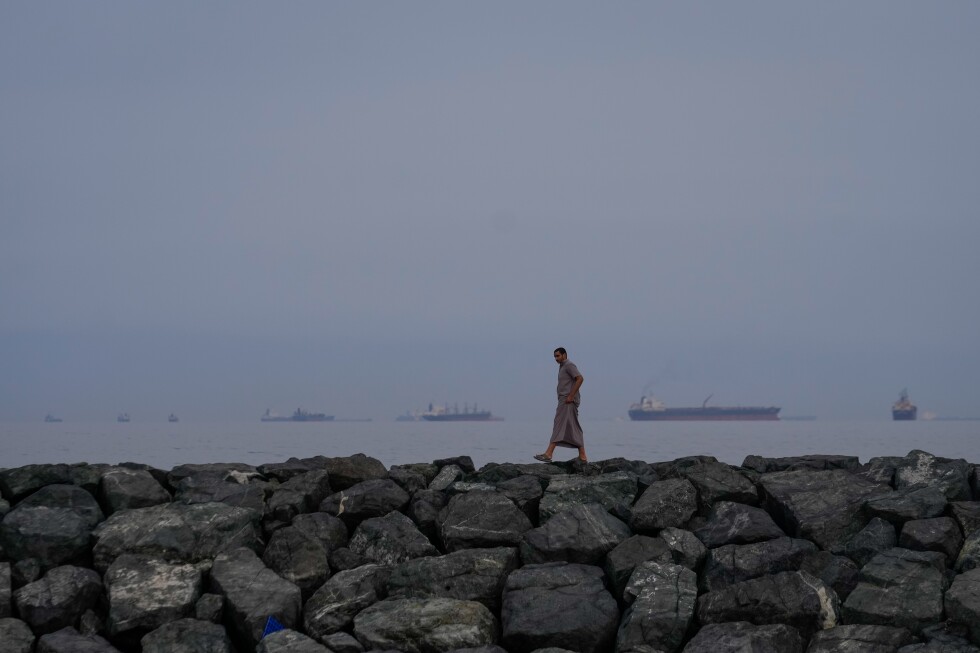
In a significant policy shift responding to global energy market turbulence, the United States has announced a temporary suspension of sanctions on specific Russian oil shipments. U.S. Treasury Secretary Scott Bessent declared via social media that deliveries of Russian oil already loaded onto tankers as of Thursday would receive a 30-day exemption from sanctions. This narrowly tailored measure aims to alleviate market jitters over supply disruptions caused by the Iran war, which has severely constrained tanker transport through the critical Strait of Hormuz—a passageway for approximately 20% of global oil supply.
The decision underscores how Middle Eastern conflict has paradoxically strengthened Moscow’s economic position despite international pressure over Ukraine. While maintaining sanctions against Russia’s largest oil companies Lukoil and Rosneft, the administration argues this temporary reprieve will help stabilize energy markets without providing additional financial benefits to the Kremlin. Officials note that Russian oil had already been taxed at extraction, meaning stranded shipments wouldn’t generate new revenue.
Market response was modestly positive, with Brent crude prices declining 1.5% to $98.76 per barrel following the announcement—though still dramatically elevated from pre-war levels of $72.87. Energy analysts estimate approximately 125 million barrels of Russian oil are currently in transit, equivalent to five-six days of normal Hormuz shipments or just over one day of global consumption.
The move has generated international controversy. Ukrainian President Volodymyr Zelenskyy condemned the decision, estimating it could provide Russia with $10 billion in additional war funding. Conversely, Kremlin spokesman Dmitry Peskov welcomed the development as necessary for market stabilization. The Trump administration had previously granted similar exemptions to Indian refineries, and reportedly coordinated with other nations to release 400 million barrels from strategic reserves.
Despite the temporary easing, Russia continues to face substantial financial pressure from sanctions. Prior to the Hormuz disruptions, Russia’s Urals blend traded at a $25 discount to Brent, pushing Kremlin oil revenues to their lowest levels since the invasion began. The ongoing conflict has reshaped global energy flows, with China and India replacing the EU as Moscow’s primary customers while demanding significant discounts for assuming sanctions compliance risks.