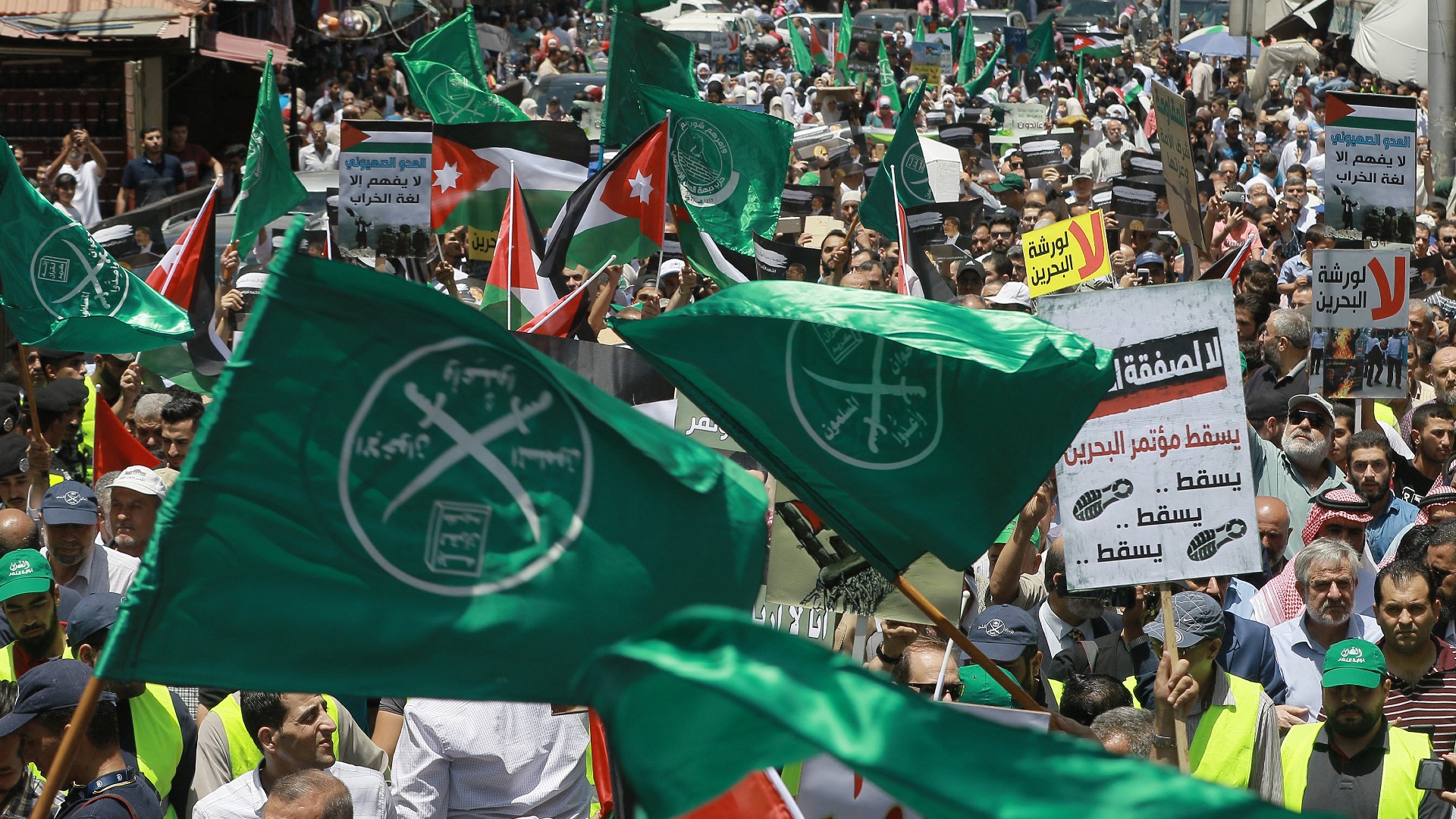
In a significant foreign policy decision, the United States government has formally designated three Middle Eastern branches of the Muslim Brotherhood as terrorist organizations. The Tuesday announcement from both the Treasury and State Departments imposes severe sanctions on the Egyptian, Jordanian, and Lebanese chapters of the controversial Islamic movement.
The State Department classified the Lebanese branch as a Foreign Terrorist Organization (FTO), the most stringent designation under U.S. law that criminalizes any material support to the group. Simultaneously, the Treasury Department listed the Jordanian and Egyptian branches as Specially Designated Global Terrorists, alleging their support for Hamas operations.
Secretary of State Marco Rubio characterized the move as “the opening actions of an ongoing, sustained effort to thwart Muslim Brotherhood chapters’ violence and destabilisation wherever it occurs.” The administration pledged to “use all available tools” to disrupt the groups’ financial networks and resource access.
This decision culminates years of advocacy from former President Donald Trump, who began pushing for the designation after meeting with Egyptian President Abdel Fattah el-Sisi in spring 2019. The move follows Trump’s executive order last year directing administration officials to develop appropriate sanctions against Brotherhood-affiliated organizations.
The designations carry substantial legal consequences: providing material support to these groups becomes illegal, current and former members face entry bans to the United States, and comprehensive economic sanctions will target their revenue streams.
The Muslim Brotherhood, founded in 1928 in opposition to British colonial rule, has consistently denied allegations of violence, maintaining its status as a political and social movement. The organization gained significant political influence following the 2011 Arab Spring uprisings, notably achieving power in Egypt through Mohamed Morsi’s democratic election in 2012 before his overthrow and subsequent death in custody.
The U.S. decision has already created regional reverberations, reflecting the deep divisions among Middle Eastern governments regarding the Brotherhood. While Saudi Arabia, the UAE, and Bahrain have banned the organization, other regional powers maintain varying relationships with Brotherhood-affiliated groups. The designation exacerbates existing tensions between regional powers including Turkey, Qatar, Saudi Arabia, and the United Arab Emirates, for whom the Brotherhood remains a persistent point of contention.